Private Reserve vs. National Park Safari in South Africa: Which Is Better?
Choosing between a private game reserve and a national park safari in South Africa is less about finding the better wildlife destination and more about deciding how you want to experience it. Private reserves generally offer professionally guided drives, smaller guest groups, and a more structured lodge experience. National parks can provide greater independence, a wider range of accommodations, and significantly more control over your daily spending. Both can deliver exceptional wildlife viewing, but the differences become important when planning your first safari.
For travelers who prioritize personalized guiding, comfortable accommodations, and an organized daily schedule, a private reserve is often the stronger choice. For those who enjoy exploration, flexibility, and managing their own itinerary, a national park such as Kruger can be equally rewarding. The most useful comparison considers wildlife access, guiding rules, costs, driving arrangements, and how much of the experience you want handled for you.
Quick Answer: Which Safari Should You Choose?
- Choose a private reserve if you want guided wildlife drives, smaller safari groups, and a lodge-centered experience with fewer daily decisions.
- Choose a national park if you want to drive yourself, explore different landscapes, and select from a broader range of accommodation budgets.
- Choose a private reserve for a short luxury safari when maximizing guided wildlife-viewing time matters more than exploring independently.
- Choose Kruger National Park for a longer independent trip when you enjoy planning routes, stopping at rest camps, and exploring at your own pace.
- Combine both if your schedule and budget allow, particularly around the Greater Kruger ecosystem.
Private Reserve vs. National Park: The Main Differences
The following comparison reflects common arrangements rather than universal rules. Individual reserves, lodges, and national parks operate differently.
| Feature | Private Game Reserve | National Park |
|---|---|---|
| Wildlife drives | Usually professionally guided | Self-drive or organized guided activities |
| Vehicle access | May include controlled off-road tracking | Visitors generally stay on designated roads |
| Accommodation | Often upscale lodges and safari camps | Camping, rest camps, cottages, and selected luxury lodges |
| Daily schedule | Usually structured around game drives | Flexible within park operating rules |
| Typical budget | Often higher | Broader range, including economical options |
| Best fit | Guided, convenient safari experience | Independent exploration and flexibility |
Wildlife Viewing: Does a Private Reserve Offer Better Sightings?
Private reserves can provide an advantage in how visitors approach and observe wildlife, but they cannot guarantee more animals or better sightings. Wildlife remains unpredictable, and animal movements depend on habitat, water, weather, season, and many other factors.
Why private reserves can offer closer viewing
In some private reserves, qualified guides may leave established tracks under controlled circumstances to observe particular animals. This can create opportunities to view predators or other wildlife that would be difficult to see from a public road. Off-road access is not universal, however, and responsible operators restrict it according to conservation and animal-welfare rules.
Some private reserves also coordinate vehicles at sightings, reducing crowding around an animal. The precise arrangements depend on the reserve, its traversing agreements, and the operator.
Why national parks remain excellent wildlife destinations
Kruger National Park offers extensive road networks, varied habitats, and the freedom to spend time observing animals from your own vehicle. A quiet waterhole or roadside encounter can be just as memorable as a guided sighting. Visitors can also discover smaller animals, birds, and landscape details without following a lodge’s predetermined route.
There is no reliable rule that a more expensive safari produces better wildlife viewing. A fortunate national park visitor might encounter lions beside the road, while a private reserve guest could spend an entire drive searching for them.
Understanding the Difference Between Kruger and Sabi Sand
Kruger National Park and the neighboring Sabi Sand Nature Reserve illustrate an important distinction: private and public conservation areas do not necessarily contain separate wildlife populations.
Sabi Sand forms part of the Greater Kruger open ecosystem. Wildlife can move through the connected landscape, making the differences in visitor access, guiding practices, accommodation, and management especially relevant.
A safari in Sabi Sand is commonly organized around a lodge and its guided activities. A conventional Kruger visit can involve a rental vehicle, public rest camps, designated viewing routes, and optional ranger-led drives. Both offer access to the broader regional ecosystem, but the experience of navigating it is different.
Private reserves are not interchangeable, either. Some have larger traversing areas, others have more restrictive access arrangements, and wildlife density can vary. Ask which areas a lodge’s vehicles can actually explore rather than assuming that every lodge can drive throughout an entire reserve.
Safari Costs: What Are You Really Paying For?
Price is often the most obvious difference, although comparing advertised accommodation rates alone can be misleading.
Private reserve costs
Many private safari lodges package accommodations with guided game drives and meals. Depending on the property, the rate may also include selected beverages, transfers, walking activities, or other services. Conservation levies, premium drinks, gratuities, and transportation may cost extra.
Part of the higher price reflects staffing and operations: qualified guides, safari vehicles, hospitality teams, and a coordinated wildlife-viewing program. The value lies partly in having those arrangements handled rather than purchasing each element separately.
National park costs
A self-drive national park safari usually separates accommodation, conservation fees, vehicle costs, fuel, food, and optional guided activities. This allows visitors to choose economical accommodations and manage spending more directly.
However, a national park trip is not automatically cheap. Premium accommodations, private guides, flights, long transfers, and rental vehicles can increase the total substantially.
Compare the complete trip cost: accommodations, meals, conservation charges, guiding, vehicle rental, transportation, and additional activities. Also compare the number of actual safari drives included rather than simply the number of nights.
Accommodations: Luxury Lodges or Traditional Safari Camps?
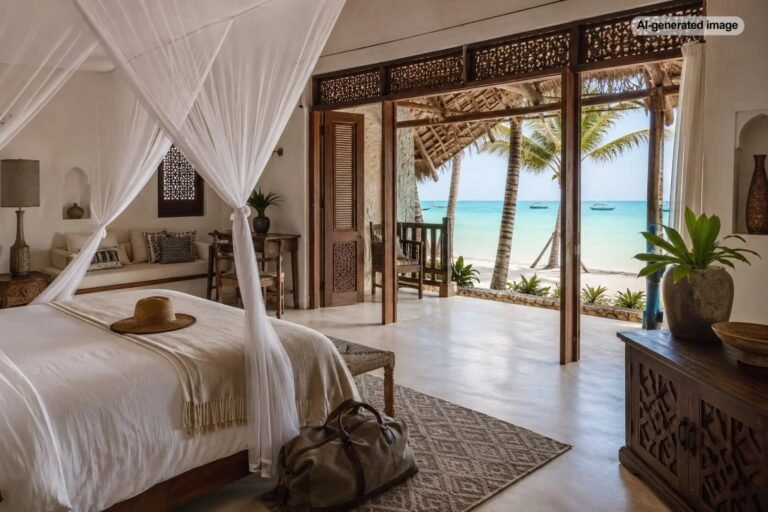
Private reserves often appeal to travelers seeking polished service and a comfortable retreat between wildlife drives. Depending on the lodge, the experience may include spacious suites, carefully planned meals, inviting common areas, and opportunities to enjoy the surrounding landscape without organizing activities independently.
National park accommodations can be more varied. Kruger offers camping and conventional rest-camp accommodations alongside more exclusive lodging arrangements in certain areas. Facilities differ considerably between properties and accommodation categories.
A simpler rest camp should not be viewed as an inferior safari by default. For an independent traveler, the pleasure of preparing breakfast before an early drive or reviewing the day’s sightings at camp may be central to the experience.
Before booking either style, verify the precise accommodation category, air-conditioning arrangements, meal inclusion, accessibility, and distance from the intended wildlife-viewing areas. A luxurious room cannot compensate for a location or itinerary that does not suit your priorities.
Guided Drives vs. Self-Driving: Which Feels More Rewarding?
On a guided private reserve safari, experienced guides interpret animal behavior, identify tracks and bird calls, and manage the driving. Guests can focus on watching and photographing wildlife rather than navigating. In some operations, a separate tracker assists the guide.
Private lodge days commonly revolve around early-morning and late-afternoon drives, leaving a substantial break for meals and rest. This arrangement is particularly appealing to first-time safari travelers, couples, and visitors with limited time.
Self-driving in Kruger offers a different satisfaction. Travelers select routes, decide how long to remain at permitted viewing locations, and adjust their day according to conditions. It can be rewarding for photographers who prefer patience, birdwatchers who want frequent stops, and returning visitors comfortable with the environment.
Independent driving also creates responsibilities. Visitors must observe speed limits, remain on permitted roads, follow wildlife safety rules, and return before applicable gate closing times.
Importantly, a national park does not require self-driving. SANParks offers organized morning, sunset, night, and other guided drives, subject to location, booking conditions, and availability. This can provide professional guidance without committing to an all-inclusive private lodge.
Which Option Is Better for Families, Couples, and First-Time Visitors?
First-time safari travelers
A private reserve is often the easiest introduction. Guides explain wildlife behavior, daily logistics are organized, and guests generally know when and where activities begin. This reduces the planning required during the safari itself.
However, confident independent travelers can enjoy Kruger as their first safari, particularly when combining self-driving with an organized game drive.
Couples and special occasions
A private lodge may suit couples who want a quieter, more service-oriented stay. The appeal often comes from combining wildlife viewing with comfortable accommodations, relaxed meals, and limited logistical demands.
Travelers who prefer spontaneity and exploration may find a national park road trip more personally rewarding.
Families with younger children
National park self-driving can be practical for families because parents can adjust breaks and driving duration. However, accommodation layouts, wildlife rules, and long periods in a vehicle still require planning.
Private lodge policies vary, and some guided activities have minimum ages. SANParks also restricts young children from certain organized drives. Confirm age requirements, vehicle arrangements, and any family-specific activities before committing to either option.
Wildlife enthusiasts and photographers
Photographers may value a private reserve’s skilled guiding and potential positioning opportunities, but they should investigate vehicle occupancy and photography policies. A crowded shared vehicle is not necessarily ideal for camera equipment.
Independent photographers may prefer the flexibility of staying at a productive location for an extended period, provided they remain within national park regulations.
When to Visit: Does Season Change the Best Choice?
In the Greater Kruger region, the generally drier winter period often makes some wildlife easier to detect because vegetation is thinner and animals concentrate around available water. Cooler early mornings can make open safari vehicles feel surprisingly cold.
The wetter summer period typically brings greener landscapes, active birdlife, and different photographic conditions. Denser vegetation can make some animals harder to locate, while seasonal weather may affect road conditions and activities.
These patterns apply across connected public and private conservation landscapes. Choosing a private reserve does not eliminate seasonal wildlife behavior or weather conditions.
For travelers considering different South African safari regions, seasonality can be more complicated. The Eastern Cape, for example, has different climatic conditions from northeastern South Africa. Compare the particular destination rather than applying one national safari calendar everywhere.
What Travelers Often Overlook Before Booking
Private does not always mean exclusive. A private reserve can contain several lodges, and game-drive vehicles may share traversing areas. Ask about typical vehicle occupancy and sighting protocols.
A lodge’s location matters. Being near Kruger is not the same as having unrestricted access to the national park or neighboring private reserves. Verify the actual wildlife-viewing area included in the stay.
Transfer time can consume safari time. A late arrival may mean missing an afternoon drive. Confirm driving times, transfer arrangements, and activity schedules before choosing flights.
Short stays limit flexibility. A single night may provide only a small number of guided drives. Two or three nights in one location generally allow more opportunities for sightings and a less rushed schedule.
Health planning depends on location. Kruger is a malaria-risk area, and travelers should obtain destination-specific medical advice before departure. Risk and recommended precautions vary with itinerary and individual circumstances.
Conservation practices deserve attention. Ask operators about wildlife-viewing rules, conservation contributions, habitat management, and relationships with neighboring communities. Neither private ownership nor public management alone guarantees an identical conservation approach everywhere.
Can You Combine a Private Reserve and a National Park Safari?
Yes. For travelers with sufficient time and budget, combining the two can offer a particularly balanced itinerary.
One practical arrangement is to begin with two or three nights in a private reserve, learning from guides and becoming familiar with the wildlife. Follow this with several nights in Kruger National Park, where you can explore independently and revisit the behaviors or species that interested you most.
The reverse works equally well. Beginning with self-driving can help travelers appreciate the additional interpretation and tracking skills provided during a later guided lodge stay.
For a combined trip, confirm reserve access roads, entrance gates, transfer arrangements, and realistic travel times. Neighboring wildlife areas do not necessarily have direct tourist vehicle connections, and some journeys require substantial detours on public roads.
Frequently Asked Questions
Are private game reserves better than Kruger National Park?
They are better for some priorities, particularly personalized guiding, lodge service, and controlled wildlife-viewing experiences. Kruger is often preferable for independent exploration, accommodation choice, and budget flexibility. Neither guarantees superior sightings.
Can you see the Big Five in both?
Yes. Kruger and several neighboring private reserves provide habitat for lion, leopard, elephant, rhinoceros, and African buffalo. Seeing all five on any particular trip is never guaranteed.
Do you need a guide for a South African safari?
Not for conventional self-driving on permitted public roads in parks such as Kruger. Private reserve wildlife drives are generally led by authorized guides, and some specialized activities require professional supervision.
Is a private reserve worth the extra money?
It may be worth the premium when professional guiding, convenience, smaller groups, and comfortable lodging are central to your vacation. Travelers who value independence and longer stays may prefer to direct more of their budget toward additional days in a national park.
How many nights should you spend on safari?
Two or three nights can provide a worthwhile introduction, while four or more nights offer additional wildlife-viewing opportunities and flexibility. The ideal duration depends on travel time, budget, and whether you plan to explore more than one area.
The Verdict: Choose the Safari Experience, Not Just the Accommodation
A private reserve is generally the stronger choice for travelers who want an organized, guide-led safari with attentive lodge service. A national park is often better for those who want independence, varied accommodation choices, and the freedom to shape their own wildlife-viewing days.
The distinction is not between authentic and inauthentic safari experiences. Both can offer meaningful encounters with South Africa’s wildlife and landscapes. What changes is how you spend your time, who makes the decisions, and what is included in your trip.
For many travelers, combining a private reserve with several days in Kruger offers the clearest perspective on both styles. If choosing only one, prioritize your preferred pace, guiding needs, total budget, and willingness to manage logistics. Those factors are more reliable than assuming the most expensive safari must also be the best.
Sources & Further Reading
- SANParks: Kruger National Park Game Drives – Official guidance on organized wildlife-viewing activities.
- SANParks: Kruger National Park Vital Information – Driving regulations, visitor conduct, and practical park rules.
- SANParks: Kruger Entrance Gates – Access points, operating hours, and arrival considerations.
- Sabi Sand Nature Reserve – Official reserve information and conservation context.