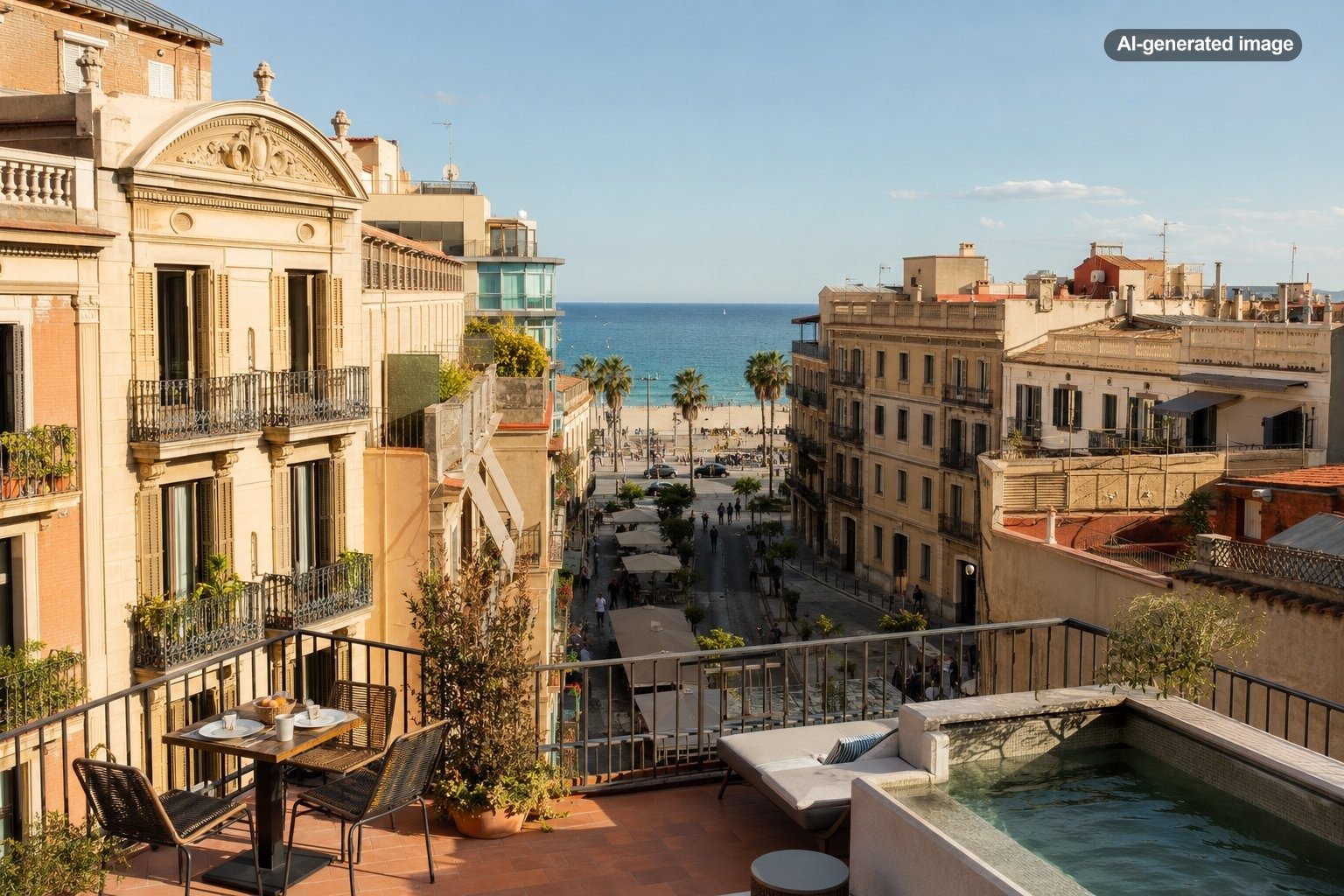
Where Should I Stay in Barcelona for Architecture, Beaches, and Dining?
The best place to stay in Barcelona depends on which part of the city you want to experience outside scheduled sightseeing. Choose Eixample for the strongest balance of Modernist architecture, polished dining, broad streets, and convenient transportation. Choose Barceloneta when waking up near the Mediterranean matters more than being surrounded by major architectural landmarks. For atmospheric lanes and evenings centered on restaurants and wine bars, consider El Born, while Gracia suits travelers who prefer neighborhood squares and a more residential rhythm.
No single district delivers the city’s best architecture, closest beach access, and broadest dining selection equally well. Barcelona is compact enough that you can prioritize one quality and reach the others by metro, bus, taxi, bicycle, or a longer walk. The most useful decision is therefore not which neighborhood is universally best, but which setting you want to return to each morning and evening.
Quick answer
- Best overall for architecture and dining: Eixample, particularly around Passeig de Gracia or the streets extending into Dreta de l’Eixample.
- Best for historic atmosphere and evening dining: El Born, with the Gothic Quarter nearby.
- Best for beach access: Barceloneta, or Vila Olimpica for a somewhat more open waterfront setting.
- Best for a neighborhood feel: Gracia, especially for cafes, small restaurants, and evenings in local squares.
- Best compromise between beach and contemporary city life: Poblenou, particularly near Rambla del Poblenou.
Eixample: The best all-around choice for architecture and dining
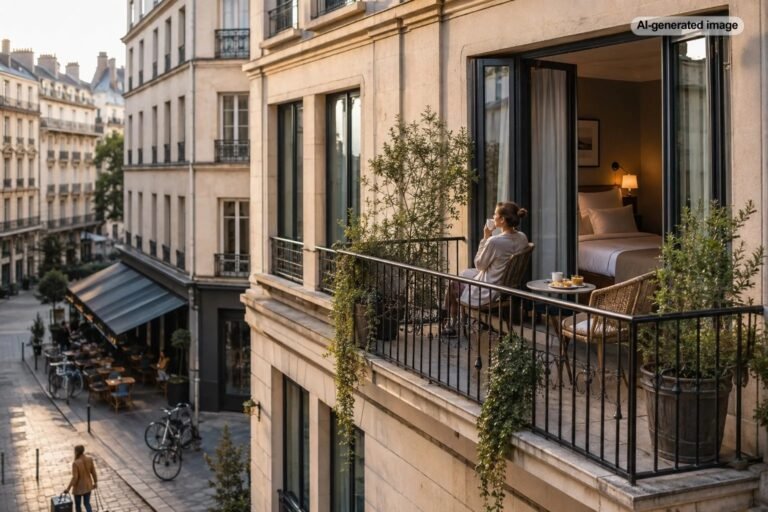
Eixample is the most practical answer for travelers who place Barcelona’s architecture at the center of the trip but do not want to sacrifice restaurant choice or transportation convenience. Its recognizable grid, chamfered street corners, broad avenues, and Modernist buildings create a very different experience from the irregular lanes of the old city.
The district covers a large area, so the exact location matters. The streets around Passeig de Gracia put visitors close to prominent Modernist facades and upscale shopping. Dreta de l’Eixample generally works well for travelers planning to visit major architectural landmarks, while the Sant Antoni side of the district can appeal to those who care more about contemporary restaurants, cafes, and a less formal evening scene.
Best for: first-time visitors, architecture-focused trips, couples, design enthusiasts, and travelers who want a central base without sleeping inside the densest medieval streets.
Tradeoffs: Eixample is not a beach neighborhood, and its long blocks can make destinations look closer on a map than they feel after a full day of walking. Some of its most prestigious avenues can also feel polished and commercial rather than intimate. Travelers seeking sea views or a distinctly old-world atmosphere may prefer another district.
El Born: Historic character with a strong evening restaurant scene
El Born, within the broader old-city area, offers narrow streets, stone architecture, small plazas, boutiques, cocktail bars, and restaurants in a compact setting. It is a strong option for travelers who want dinner and evening drinks within a short walk of their hotel while retaining easy access to historic sights.
The neighborhood is close to the Gothic Quarter but often feels somewhat more oriented toward independent shops, museums, and dining. It can also provide a useful geographic compromise: the waterfront is closer than it is from much of Eixample, while central landmarks remain accessible on foot or by public transportation.
Best for: couples, short city breaks, travelers who enjoy atmospheric evening walks, and visitors who prefer historic streets over broad boulevards.
Tradeoffs: old buildings may have smaller rooms, limited sound insulation, compact elevators, or no elevator at all. Narrow streets can also receive less natural light. Nighttime activity varies considerably from one block to another, so light sleepers should examine recent guest comments about street noise and request an interior-facing room when available.
The Gothic Quarter: Best for medieval atmosphere and central sightseeing
The Gothic Quarter places travelers among some of Barcelona’s oldest streets and historic civic spaces. Its location makes it easy to combine walks through the old city with visits to La Rambla, El Born, the waterfront, and parts of Eixample. Staying here can be rewarding when the visual atmosphere of the historic center is a major part of the trip.
However, the Gothic Quarter is better chosen for character and sightseeing than for effortless hotel logistics. Street layouts can be confusing at first, vehicle access may be limited, and accommodations range from carefully restored properties to rooms with awkward layouts. The dining scene is extensive, but restaurants on the busiest pedestrian routes may cater more heavily to visitors. Walking a few blocks away from the most trafficked corridors often produces a different experience.
Best for: first visits of two or three nights, travelers who enjoy walking, history-focused itineraries, and visitors who want to step directly into the old city.
Tradeoffs: crowd levels, nighttime noise, limited vehicle access, and the physical quirks of historic buildings. Travelers with substantial luggage or mobility concerns should check the route from the nearest practical drop-off point and confirm elevator access before booking.
Barceloneta: The clearest choice for beach access
Barceloneta is the most direct answer for travelers who want to reach the sand with minimal planning. The neighborhood sits beside Barcelona’s waterfront and has narrow, lively residential streets behind the promenade. Seafood restaurants, casual terraces, and beach-oriented businesses shape much of the surrounding experience.
Its main advantage is obvious: a morning walk or swim does not require crossing the city. This can be especially valuable on summer trips when the beach is a daily priority rather than a single excursion. The area also provides access to waterfront walks extending toward Port Vell and the Olympic Port.
Best for: beach-centered stays, active travelers, families planning regular waterfront time, and visitors who enjoy early walks along the promenade.
Tradeoffs: Barceloneta is not the best base for immediate access to Gaudi landmarks, and accommodations can be smaller than visitors expect. The beachfront becomes busy during warm periods, while restaurants directly beside the busiest waterfront sections may prioritize location over subtlety. Travelers chiefly interested in architecture should stay in Eixample and visit the beach instead.
Poblenou: A balanced option for the beach, dining, and a calmer urban feel
Poblenou offers a different coastal experience from Barceloneta. Parts of the neighborhood combine former industrial architecture, newer development, residential streets, creative workplaces, and access to beaches northeast of the central waterfront. Rambla del Poblenou provides a recognizable neighborhood spine lined with cafes and restaurants.
This area can work particularly well for travelers who want the beach nearby but do not need to be in the historic center every evening. Hotels may occupy newer buildings with larger common areas or more contemporary room layouts, although this varies by property. Public transportation makes central sightseeing manageable, but spontaneous trips back to the hotel during the day are less convenient than they would be from Eixample or the old city.
Best for: longer stays, repeat visitors, families, remote workers, and travelers who want a beach-and-city compromise.
Tradeoffs: the neighborhood is more spread out, and not every part of Poblenou is equally close to both a metro station and the beach. Check the actual walking route rather than relying only on the neighborhood name in a listing.
Gracia: Best for cafes, neighborhood squares, and a residential rhythm
Gracia feels distinct from central Barcelona’s grand avenues and medieval core. Its smaller streets and plazas support a dense mix of cafes, bakeries, bars, and neighborhood restaurants. It is also associated with architectural interest through Park Guell and other Modernist details, although many of the city’s headline buildings are closer to Eixample.
Staying here is less about being beside every major attraction and more about having an appealing place to begin and end the day. Visitors who enjoy breakfast at a neighborhood cafe, an evening aperitif in a plaza, and a sense of separation from the most concentrated sightseeing zones may find Gracia especially comfortable.
Best for: repeat visitors, longer trips, food-focused travelers, couples, and people who prefer a more residential atmosphere.
Tradeoffs: beach access is less convenient, and some routes toward northern Gracia become hilly. A hotel described as being near Park Guell may sit farther from the central dining streets than expected. Confirm the nearest transit stop and review walking gradients when mobility is a concern.
Which neighborhood offers the best combination?
For most first-time visitors, Eixample provides the strongest three-way compromise. It delivers immediate architectural interest, an extensive dining landscape, and straightforward connections to the old city and waterfront. The beach will not be outside the hotel, but it is practical to reach as part of a planned half-day.
Travelers who expect to spend several hours by the sea on most days should reverse that calculation. Choose Barceloneta for the shortest beach routine or Poblenou for a more spacious coastal base, then travel inland for architecture. Those who care most about dinners, wine bars, and atmosphere after dark should compare El Born with Gracia: El Born is more central and historic, while Gracia feels more residential and removed from the busiest sightseeing corridors.
| Area | Strongest quality | Main compromise |
|---|---|---|
| Eixample | Modernist architecture and broad dining choice | Not within immediate walking distance of the beach from many sections |
| El Born | Historic atmosphere and evening dining | Noise and historic-building limitations |
| Gothic Quarter | Central sightseeing and medieval streets | Crowds, navigation, and variable hotel layouts |
| Barceloneta | Direct beach access | Less convenient for architecture-focused days |
| Poblenou | Beach access with a contemporary neighborhood feel | Farther from the historic center |
| Gracia | Local dining and neighborhood atmosphere | Less convenient for the waterfront |
What travelers often overlook
The neighborhood label may cover a large area
A listing described as being in Eixample or Poblenou may be several blocks from the specific streets that inspired the choice. Measure the walking route to the nearest metro station, a realistic dinner area, and the attraction or beach you expect to visit most often.
Street-facing and interior rooms can feel very different
A street-facing balcony may provide character but also expose the room to traffic, deliveries, voices, or nightlife. Interior rooms can be quieter, though sometimes darker. Decide which quality matters more and make a specific room request rather than assuming all rooms share the same conditions.
Historic charm can affect accessibility
In older districts, verify elevator access, entrance steps, bathroom layouts, and the distance from a taxi drop-off point. A central address is not automatically convenient for every traveler.
Barcelona’s public transportation reduces the need for a perfect location
The metro and bus network connects the city’s districts and major visitor areas, making it reasonable to prioritize the neighborhood atmosphere you prefer rather than staying beside every planned stop. Routes, fares, service details, and accessibility information can change, so consult the official TMB visitor transportation guide before departure.
Frequently asked questions
Is Eixample or the Gothic Quarter better for a first visit?
Eixample is generally better for travelers who value architectural landmarks, wider streets, predictable transportation, and a broad selection of hotels. The Gothic Quarter is better for those who prioritize medieval atmosphere and immediate access to the old city, provided they are comfortable with crowds, narrow lanes, and variable building layouts.
Should I stay near the beach in Barcelona?
Stay near the beach when waterfront time will be part of most days. For one or two beach visits during a culture-focused trip, a central neighborhood such as Eixample or El Born is usually the more flexible base.
Where should food-focused travelers stay?
Eixample offers the widest all-around choice, from casual cafes to formal dining. El Born is appealing for atmospheric evenings and compact restaurant-hopping, while Gracia suits travelers who prefer neighborhood establishments and lively plazas. The best choice depends on whether you want destination restaurants, historic surroundings, or a residential dining scene.
Is Poblenou too far from central Barcelona?
It is less central than Eixample, El Born, or the Gothic Quarter, but it can be practical for travelers who accept a transit ride in exchange for beach access, newer accommodations, and a less concentrated visitor environment. Proximity to a metro station is important.
Can I combine architecture and beach time without changing hotels?
Yes. Barcelona’s transportation network makes a split stay unnecessary for most trips. Eixample is the strongest architecture-first base with planned beach visits, while Poblenou is a useful beach-first base with trips into the architectural center.