What to Know Before Staying in a Converted Train Car Hotel
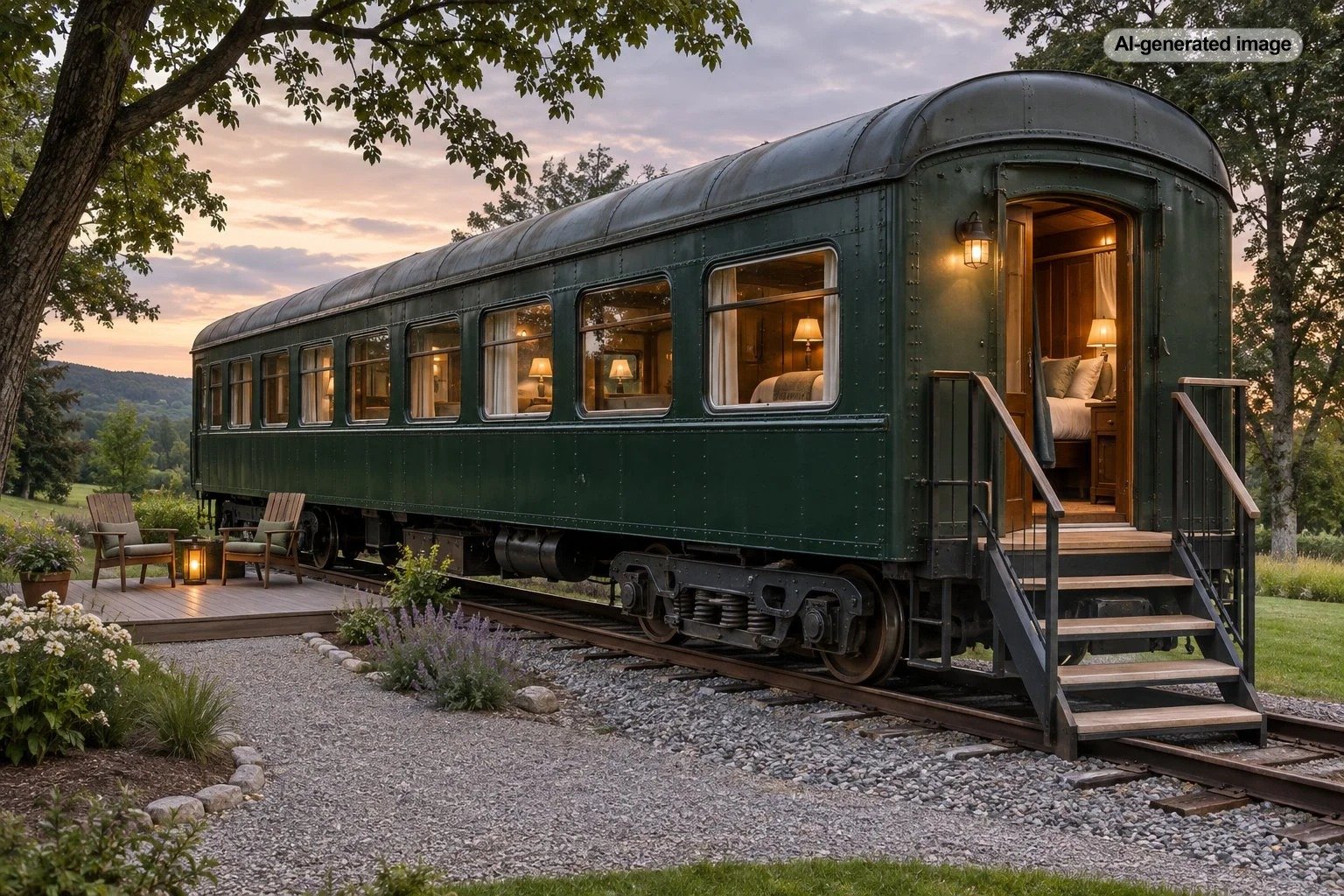
Staying in a converted train car hotel offers an unusually direct connection to railroad history. Instead of merely decorating a conventional room with railway memorabilia, these accommodations place guests inside an actual passenger car, caboose, or other former railroad vehicle. The appeal is straightforward: distinctive architecture, preserved historical details, and an overnight experience that feels noticeably different from a standard hotel.
The important consideration is that a converted train car is not automatically equivalent to a conventional hotel room. Interior dimensions, bathroom arrangements, climate control, accessibility, and surrounding facilities can vary considerably. Some conversions resemble sophisticated boutique suites, while others preserve a more rustic interpretation of railroad travel. Understanding those differences before booking helps travelers choose a property that delivers both atmosphere and suitable comfort.
Quick Answer: What Should You Expect?
- Unusual room proportions: Railway cars typically have long, relatively narrow interiors that influence furniture placement and circulation.
- Different levels of modernization: Some provide private bathrooms, kitchens, and modern climate control; others offer simpler facilities.
- Potential access challenges: Entry steps, elevated doorways, narrow passages, and compact bathrooms deserve attention.
- A distinctive setting: Converted cars may stand on museum grounds, rural properties, former rail yards, or dedicated hospitality sites.
- Property-specific booking details: Privacy, parking, housekeeping, noise, and cancellation policies should be confirmed individually.
Understand What Kind of Train Car You Are Booking
The phrase converted train car hotel covers several different accommodation styles. A former passenger car may contain a series of compact rooms, a long private suite, or an open-plan living space. An old sleeping car may retain elements of its original compartment arrangement. A caboose is generally a smaller structure, sometimes distinguished by an elevated observation cupola or preserved railway fittings.
These differences matter because the original function of the car influences its proportions and the possibilities for renovation. A passenger car designed to accommodate numerous travelers has different spatial characteristics from a caboose once used by railroad crews.
Some accommodations preserve original seating, windows, paneling, or hardware. Others reconstruct most of the interior while maintaining the recognizable exterior. Neither approach is inherently preferable. Travelers interested in historical authenticity may appreciate original fixtures, while those prioritizing contemporary comfort may prefer a more extensively redesigned space.
Before reserving, examine interior photographs rather than relying on the exterior image alone. Look for evidence of how the bed, bathroom, seating, and storage areas actually fit together.
Expect a Different Sense of Space
One of the most noticeable differences between a railcar conversion and a conventional hotel is the room’s geometry. The long, narrow shape can create an appealing sense of continuity, especially when windows line both sides. However, it may also restrict movement around furniture.
A double bed that appears spacious in a photograph might leave limited clearance along one side. A dining table may share space with the main circulation route. Large suitcases can become inconvenient when there are few dedicated storage areas.
Check the actual floor plan whenever one is available. Useful details include whether guests can walk around both sides of the bed, whether bedrooms have doors, and whether the bathroom can be reached without passing through another sleeping area.
For a couple staying one or two nights, a compact layout may be entirely comfortable. For a family traveling with several suitcases, the same arrangement could feel restrictive. Longer visits also make adequate seating, storage, and personal space more important.
Check the Bathroom Arrangement Carefully
Bathroom facilities deserve particular attention because plumbing was not necessarily part of a railway car’s original design in the form modern hotel guests expect.
Extensively renovated accommodations may have a private bathroom with a conventional toilet, sink, and shower. More rustic conversions might provide smaller washing facilities or require guests to use a separate building.
Do not assume that the phrase private accommodations guarantees an ensuite bathroom. Confirm whether the toilet and shower are inside the car, whether either facility is shared, and whether guests must go outdoors to reach them.
Shower dimensions can also be important. Compact bathrooms may have limited elbow room, smaller storage surfaces, or unusual ceiling clearances. Anyone who needs a spacious bathroom should request measurements or additional photographs before booking.
Consider Heating, Cooling, and Insulation
Railroad cars were constructed for transportation rather than stationary hospitality use. Their original materials, metal surfaces, window arrangements, and underfloor exposure can affect indoor comfort unless renovation work adequately addresses those characteristics.
A thoughtfully modernized conversion may be comfortable throughout the year. However, the presence of heating or air conditioning alone does not establish how consistently the interior maintains a comfortable temperature.
Ask whether climate control serves the entire car or only one section. In a long interior, the temperature near the sleeping area may differ from conditions in the lounge or entryway.
Seasonal considerations are especially relevant. During colder weather, floors near exterior entrances can feel cooler. In warmer conditions, extensive glazing and direct sunlight can increase the need for effective cooling and window coverings.
Recent guest comments mentioning indoor temperatures, drafts, or overnight comfort may provide useful context, although individual experiences depend on weather and personal preferences.
Understand Noise, Privacy, and the Surrounding Environment
Sleeping inside a train car does not necessarily mean sleeping beside an active railway. Many converted cars are permanently positioned on private land or incorporated into purpose-built lodging developments.
Others may stand near railroad museums, visitor attractions, roads, or operational tracks. The location can influence the experience as much as the accommodation itself.
If the property is near an active railway, ask about train movements and possible nighttime noise rather than assuming the setting will be quiet. For converted cars in shared hospitality developments, investigate how close neighboring accommodations and public pathways are to the windows.
Privacy deserves separate attention. Large original windows can provide attractive views but may also expose the interior to passing visitors. Check for curtains, shades, or other coverings, particularly around sleeping and bathing areas.
Sound insulation is another variable. Preserved historical construction and modernized interiors can perform differently, so avoid generalizing from the railcar’s age or appearance.
Accessibility May Require Additional Planning
Accessibility is among the most important practical considerations for a converted train car stay. Railway vehicles frequently have elevated entrances, relatively narrow doorways, and internal dimensions that were not designed around contemporary accessibility expectations.
Some conversions incorporate ramps, accessible entry platforms, or redesigned interior spaces. Others retain original steps and compact passageways.
Travelers with mobility limitations should request specific information rather than relying exclusively on general accessibility labels.
- Is there a step-free route from parking to the entrance?
- How wide are the entrance and bathroom doorways?
- Are there steps or raised thresholds inside the accommodation?
- Is there sufficient space to maneuver beside the bed?
- Does the bathroom offer the particular accessibility features the traveler requires?
These questions are also relevant to families managing strollers, travelers carrying heavy luggage, and anyone who finds steep stairs difficult.
Decide How Much Hotel Service You Actually Need
Not every train car accommodation operates like a traditional hotel. Some are individually managed vacation rentals with self-check-in and limited on-site assistance. Others form part of established lodging businesses with reception facilities, restaurants, or additional guest services.
The distinction can affect daily convenience. A private converted caboose may offer greater independence and a secluded atmosphere, but guests could be responsible for more of their own meal planning and housekeeping arrangements.
A property within a larger hospitality complex may provide more conventional service, although guests should verify what is actually included.
Consider whether you need daily cleaning, luggage storage, reliable Wi-Fi, an accessible staff contact, or food service. A distinctive room design is appealing, but it should not obscure the practical services that matter to your trip.
Evaluate the Location Beyond the Railway Theme
Converted railroad accommodations are often located in places that differ from conventional hotel districts. A rural caboose might offer a peaceful landscape but require driving for every meal. A railcar on museum grounds could provide immediate access to exhibits while placing guests close to daytime visitor activity.
Before booking, consider how the location fits your plans. Check the route from your arrival point, parking arrangements, nearby dining options, and the practicality of reaching the attractions you intend to visit.
If you are planning a sightseeing-heavy city trip, a distinctive train car outside the main visitor area may introduce unnecessary transportation demands. Conversely, for a relaxed weekend centered on the accommodation itself, a quieter and more isolated setting could be precisely the attraction.
The important question is whether the property’s location complements your itinerary rather than merely whether the photographs look appealing.
Compare the Total Stay, Not Just the Nightly Rate
Converted railcars can be priced according to their unusual character, degree of renovation, location, and hospitality services. Their value is therefore difficult to judge solely against a conventional hotel with similar sleeping capacity.
Compare the final booking total, including applicable taxes, cleaning charges, service fees, and any other disclosed costs. Review minimum-stay requirements and cancellation terms as well.
Then consider what the accommodation includes. A kitchenette, private outdoor seating area, or additional living space may be useful for some travelers. Others may place greater value on a traditional hotel’s convenient location, larger bathroom, or on-site services.
For a short celebratory stay, the unusual setting may justify a premium. For a longer trip focused on work or extensive sightseeing, everyday convenience may carry more weight.
Questions to Ask Before Confirming a Reservation
A short inquiry to the property can resolve uncertainties that photographs and descriptions leave unanswered. The most useful questions are those that address the actual conversion and your personal travel needs.
- Is the accommodation an original railroad car or a modern structure designed to resemble one?
- Are the bathroom and shower entirely private and located inside the car?
- What are the bed dimensions and sleeping arrangements?
- Does the heating and cooling system serve every sleeping area?
- Are entry stairs, narrow passages, or low clearances present?
- Is the car close to active railroad tracks or public visitor areas?
- What services, parking arrangements, and additional charges apply?
- What are the check-in procedures and cancellation conditions?
Requesting current interior photographs is particularly helpful when a property displays a mixture of historical promotional images and newer renovation photographs.
Who Is a Converted Train Car Hotel Best For?
These accommodations can be particularly rewarding for railway enthusiasts, architecture-minded travelers, couples seeking a distinctive weekend, and families interested in an unusual lodging experience.
They also appeal to travelers who enjoy accommodations with a visible history. Preserved windows, original hardware, and the recognizable proportions of a railway vehicle can create an atmosphere that would be difficult to reproduce in an ordinary building.
However, travelers who require generous interior space, predictable accessibility, extensive hotel services, or a conventional room layout may be happier elsewhere. Choosing a standard hotel is not necessarily a compromise when the main purpose of the trip is convenience and rest.
The strongest match is a traveler who appreciates the railcar’s character while understanding the physical and operational limitations that may accompany it.
Frequently Asked Questions
Do converted train car hotels actually move?
Most accommodations marketed as converted train car hotels are stationary. They may remain on short sections of track or rest on permanent foundations. Confirm this with the operator if the distinction matters. A moving overnight passenger train is a different accommodation experience.
Do train car hotels have private bathrooms?
Some do, including modernized conversions with conventional showers and toilets. Others use compact facilities or separate bathroom buildings. Always verify the arrangement for the specific room or car being reserved.
Are converted caboose hotels suitable for families?
They can be, but sleeping capacity alone does not indicate comfort. Check bed configurations, available floor space, bathroom access, and any age-related property policies. Families with young children should also investigate stairs and elevated sleeping areas.
Are train car hotels comfortable in winter?
Comfort depends on insulation, heating equipment, weather conditions, and the quality of the conversion. Some are designed for year-round use, while others may operate seasonally or have limitations. Ask the property about cold-weather accommodations before reserving.
Is one night enough for a converted train car stay?
One night can be sufficient for travelers primarily interested in the novelty of sleeping in a railway car. Two or more nights may be preferable when the property has attractive surroundings, additional activities, or enough living space for a relaxed getaway.
Choose the Experience With the Details in Mind
A converted train car hotel can offer a satisfying combination of historical character and contemporary hospitality, but the quality of the stay depends on how well the original structure has been adapted to modern guest needs.
Focus on the actual sleeping arrangement, bathroom facilities, temperature control, accessibility, privacy, and location before allowing the novelty to drive the reservation. With those details confirmed, the railcar’s unusual proportions and preserved features become part of the appeal rather than unexpected inconveniences.
The most successful booking is not necessarily the most elaborate or historically authentic conversion. It is the one whose character, comfort, and practical arrangements match the kind of trip you want to take.