What Happens If Your Cruise Ship Changes Its Planned Tender Port?
When a cruise ship changes its planned tender port, passengers may visit a different destination, spend additional time at sea, or experience a revised arrival and departure schedule. The cruise line generally communicates the change through onboard announcements, its mobile app, or updated daily schedules. Shore excursions may be canceled or modified, while refunds and compensation depend on the cruise line’s policies and the circumstances involved.
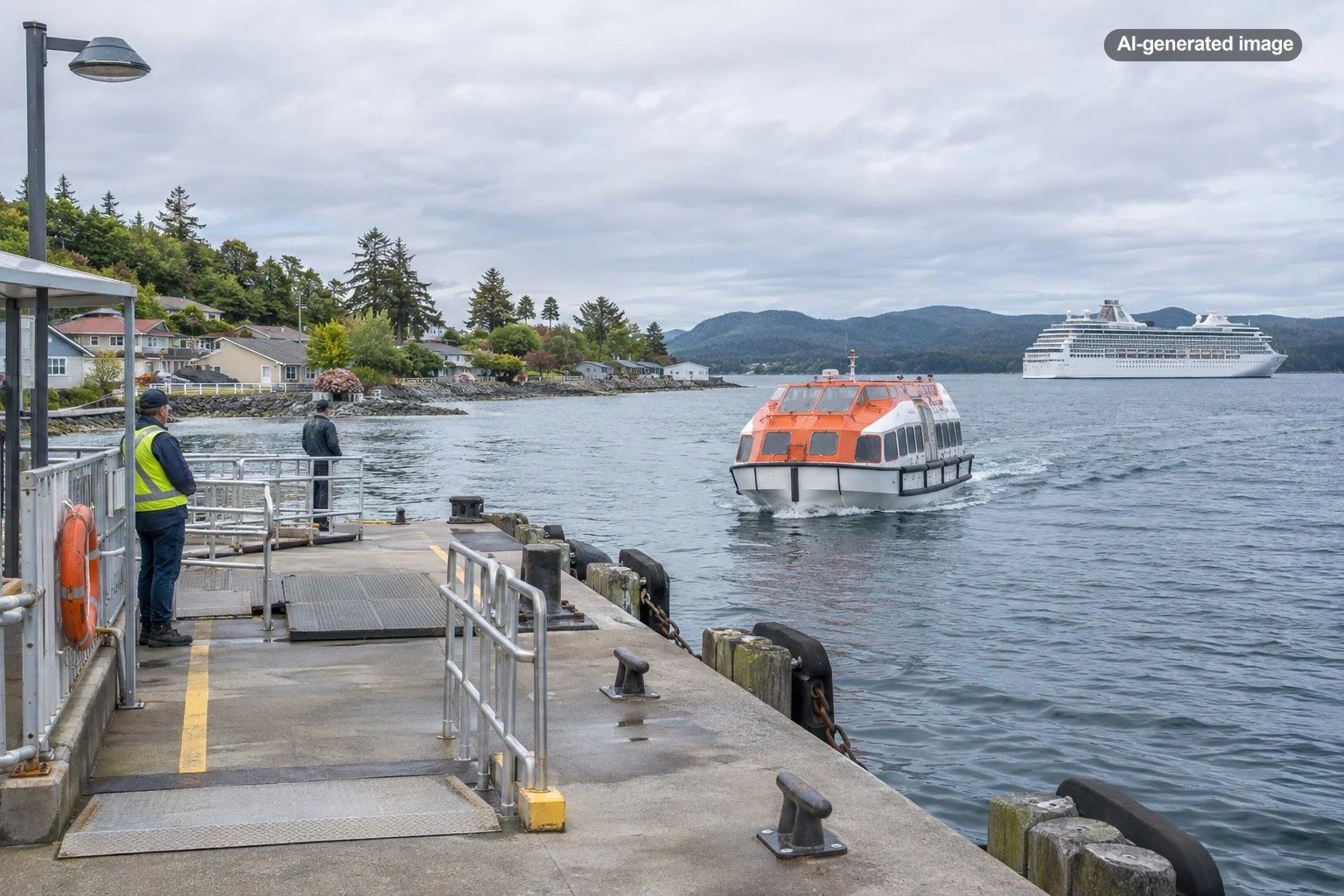
A tender port differs from a conventional dock because the ship anchors offshore and passengers travel between the vessel and land aboard smaller boats. This makes tender calls particularly sensitive to wind, waves, visibility, and other operational conditions. Understanding the possible outcomes helps travelers respond without making unnecessary arrangements or assuming their original schedule still applies.
Quick Answer: What Changes When a Tender Port Is Replaced?
- The destination may change: The captain might substitute another port or remove the scheduled stop entirely.
- Shore excursions may be affected: Cruise-line excursions canceled because of a missed port are generally refunded under the operator’s applicable policy.
- Independent bookings require attention: Travelers must contact outside tour operators directly about cancellations or alternative arrangements.
- Compensation is not automatic: Missing a port does not necessarily entitle passengers to a partial cruise fare refund.
- New instructions take priority: Tender tickets, excursion meeting times, and the ship’s departure schedule may all change.
Why Would a Cruise Ship Change Its Tender Port?
Unlike a docked port call, tendering requires a safe transfer between two moving vessels. Even when the cruise ship can anchor without difficulty, conditions alongside its tender platform may make passenger transfers unsuitable.
Wind, Swell, and Changing Sea Conditions
Strong winds and significant swell are common reasons for canceled tender operations. A destination can appear sunny and inviting from the upper decks while waves make boarding a smaller boat difficult. Conditions may also deteriorate during the day, raising concerns about safely returning passengers to the ship.
The captain must consider the entire transfer operation, not simply whether the ship can reach its anchorage. A forecast suggesting difficult afternoon conditions could affect a planned morning landing.
Port Availability and Operational Restrictions
Port congestion, local operating restrictions, technical problems, and unexpected itinerary delays can also influence a scheduled call. Sometimes a cruise line changes the destination before arrival rather than attempting a stop that has become impractical.
Medical emergencies or the need to assist another vessel can produce broader itinerary adjustments. These changes are not necessarily connected to poor weather at the original tender port.
What Are the Possible Outcomes?
A tender-port change does not always mean the entire day is lost. The outcome depends on available alternatives, sailing distances, port permissions, and the remaining itinerary.
The Ship Visits a Different Port
A substitute port may offer a pier or require another tender operation. Passengers should not assume that activities planned for the original destination are available at the replacement.
For example, a scheduled island beach visit could become a call at a larger coastal city. Travelers hoping for swimming and relaxation may find that the revised destination offers more suitable sightseeing than beach activities.
The Ship Spends an Additional Day at Sea
If there is no practical alternative port, the captain may continue toward the next scheduled destination. The ship typically maintains onboard dining and entertainment, although the activity schedule may be revised.
An unexpected sea day may appeal to passengers who enjoy the ship’s facilities, but it can be disappointing for those who selected the itinerary specifically for its smaller ports.
The Original Port Is Visited at a Different Time
Sometimes an itinerary can accommodate a later arrival, an earlier departure, or a change in the order of scheduled stops. However, this is not guaranteed. The cruise line must consider sailing distances, berth or anchorage availability, and subsequent commitments.
What Happens to Shore Excursions?
The financial consequences of a changed tender port often depend on whether an excursion was purchased through the cruise line or independently.
Excursions Booked Through the Cruise Line
When a scheduled port is missed and a cruise-line excursion is canceled, operators commonly refund the excursion cost. Royal Caribbean states that passengers receive a refund when an excursion is canceled because the ship misses a port. Carnival similarly provides refunds for excursions canceled by the company or its tour operators.
Refund processing varies. A cancellation made before sailing may be handled differently from one announced after boarding. Depending on the operator and circumstances, the amount may return to the original payment method or appear as an onboard account adjustment.
Passengers should verify the cancellation status rather than assuming an excursion has automatically transferred to the replacement destination.
Independent Excursions and Private Guides
Independent reservations create a different situation. A local tour company may offer a refund, a date change, or credit for future travel, but those options depend on the booking agreement.
Consider a private boat tour reserved at a tender-only island. If the cruise ship diverts to another port, the tour operator might refund the deposit under a missed-port policy. Another provider could retain a nonrefundable payment, particularly when transportation or staffing expenses have already been committed.
Before paying for an independent excursion at a tender destination, travelers should check whether the agreement explicitly addresses canceled tender operations, missed cruise calls, and delayed arrivals.
Will You Receive a Refund for Missing the Port?
A missed tender port does not automatically produce a refund of the cruise fare. Cruise contracts generally allow operators to modify itineraries for operational reasons, weather, and other circumstances.
Royal Caribbean’s published itinerary guidance explains that scheduled ports can be changed or omitted and that such deviations do not necessarily require compensation. Other operators have their own contract provisions, and applicable passenger rights may also depend on the booking jurisdiction.
It is important to distinguish among several potential payments:
- Cruise fare: A partial refund is not guaranteed merely because a port is missed.
- Shore excursions: Canceled cruise-line activities may qualify for refunds under the applicable excursion policy.
- Port-related charges: Certain taxes, fees, or charges may be adjusted when a port is missed, depending on how they were assessed and the operator’s policies.
- Goodwill compensation: Onboard credit or another accommodation may occasionally be offered, but travelers should not assume it will be provided.
Travel insurance may offer additional protection in limited circumstances. Some policies include missed-port benefits, while others exclude substitute-port calls or tender operations that cannot proceed. The exact policy wording matters more than the general name of the coverage.
How Does a Tender-Port Change Affect Accessibility?
Accessibility deserves particular attention because boarding a tender can involve steps, vessel movement, narrow access points, or restrictions on mobility equipment.
Passengers who use wheelchairs, walkers, or other mobility aids should ask the ship’s accessibility team whether the replacement port is docked or tendered and what assistance is available.
A substitute port with a pier may offer a more manageable disembarkation experience for some travelers. Conversely, a newly designated tender port may introduce limitations that were not part of the original plan.
Royal Caribbean explains that weather and sea conditions may prevent tendering and that roll-on access is not guaranteed. The captain and onboard staff make transfer decisions based on safety considerations. Travelers should never assume that accessibility arrangements available at one port will automatically carry over to another.
What Should Passengers Do After a Port Change Is Announced?
The most useful response is to confirm the revised itinerary and deal with time-sensitive reservations before making new plans.
- Check the official update: Review ship announcements, the cruise app, and the revised daily program.
- Confirm the new departure time: Pay particular attention to the required all-aboard time, which may be earlier than the ship’s departure.
- Review excursion reservations: Ask whether booked activities have been canceled, refunded, modified, or replaced.
- Contact independent operators: Notify outside guides promptly and request written confirmation of any refund or change.
- Ask about tender procedures: A substitute tender port may require new tickets, assembly points, or boarding priorities.
- Keep documentation: Save itinerary notices, excursion receipts, cancellation messages, and relevant travel insurance documents.
If the new destination is unfamiliar, begin with the ship’s official port information. Consider the distance between the landing point and local attractions before committing to independent transportation.
What Travelers Often Overlook About Replacement Tender Ports
A Short Port Call Can Become Even Shorter
A published six-hour stop does not mean six full hours ashore. Tender operations require time to transfer passengers in both directions, and the last return tender normally departs before the ship’s scheduled sailing time.
If a replacement port has a shorter visit or slower transfers, an ambitious independent itinerary may become impractical. A nearby attraction can be a better choice than a distant excursion with limited flexibility.
Some Travelers May Receive Earlier Tender Access
Cruise-line excursions and certain passenger groups may receive scheduled or prioritized tender arrangements. Procedures vary by operator and sailing, so passengers exploring independently should ask how and when they can disembark.
This distinction is especially important when arranging private transportation that expects travelers to arrive at a precise time.
A Docked Replacement Port Changes the Logistics
If the substitute destination has a pier, passengers may be able to walk directly ashore rather than using tender boats. That can simplify transfers, although terminal distances, local transportation, and accessibility still require consideration.
Conversely, a port originally expected to use a pier can sometimes switch to tender operations for operational reasons. Travelers should always follow the latest instructions rather than relying solely on the original itinerary description.
Frequently Asked Questions
Can a Cruise Ship Cancel a Tender Port at the Last Minute?
Yes. Sea conditions and operational circumstances can change close to arrival. The captain may cancel the tender operation even when the ship has already reached the anchorage.
Will My Cruise-Line Excursion Be Refunded if the Port Is Canceled?
Generally, a cruise-line excursion canceled because the ship misses the port is refundable under the operator’s applicable policy. Confirm the refund method and processing details with the shore excursions desk.
Can I Demand a Refund Because I Booked the Cruise for One Specific Island?
Not necessarily. Cruise contracts typically permit itinerary changes. Any refund entitlement depends on the booking terms, applicable law, and the circumstances. A destination being especially important to an individual traveler does not automatically create a right to compensation.
Should I Rebook My Independent Excursion at the Replacement Port?
Only after confirming the revised schedule, disembarkation arrangements, and cancellation conditions. Allow additional time for tender transfers and unexpected delays, particularly when the new stop is brief.
Is a Tender Port More Likely to Be Canceled Than a Docked Port?
Tender ports have an additional operational vulnerability because smaller boats must transfer passengers between ship and shore. Conditions that prevent safe tendering may not prevent a large vessel from remaining offshore. However, docked ports can also be missed because of weather, congestion, or operational disruptions.
Planning for a Cruise Itinerary That May Change
The most effective preparation begins before departure. Treat published ports as planned destinations rather than unconditional guarantees, particularly when a cruise includes several tender-only stops.
Travelers who value flexibility may prefer refundable independent excursions and itineraries with activities close to the landing point. Those who prioritize simplified logistics may find cruise-line excursions more convenient when a port call changes, although they should still review the operator’s terms.
A changed tender port can significantly alter a carefully planned day, but it does not have to disrupt the entire voyage. Confirm the new schedule, understand which reservations remain valid, and prioritize activities that fit the revised time ashore. The essential distinction is between an inconvenient itinerary change and a financial loss that may be recoverable under a specific booking agreement or insurance policy.
Sources & Further Reading
- Royal Caribbean: Itinerary and Port-of-Call Changes – Official explanation of itinerary modifications and compensation provisions.
- Royal Caribbean: Shore Excursion FAQs – Information about canceled excursions and missed-port refunds.
- Carnival Cruise Line: Shore Excursion FAQs – Official excursion cancellation and refund procedures.
- Royal Caribbean: Accessible Cruising Assistance – Tender access considerations for passengers with mobility needs.
- Princess Cruises: Passage Contract – Contract provisions covering itinerary modifications and canceled activities.