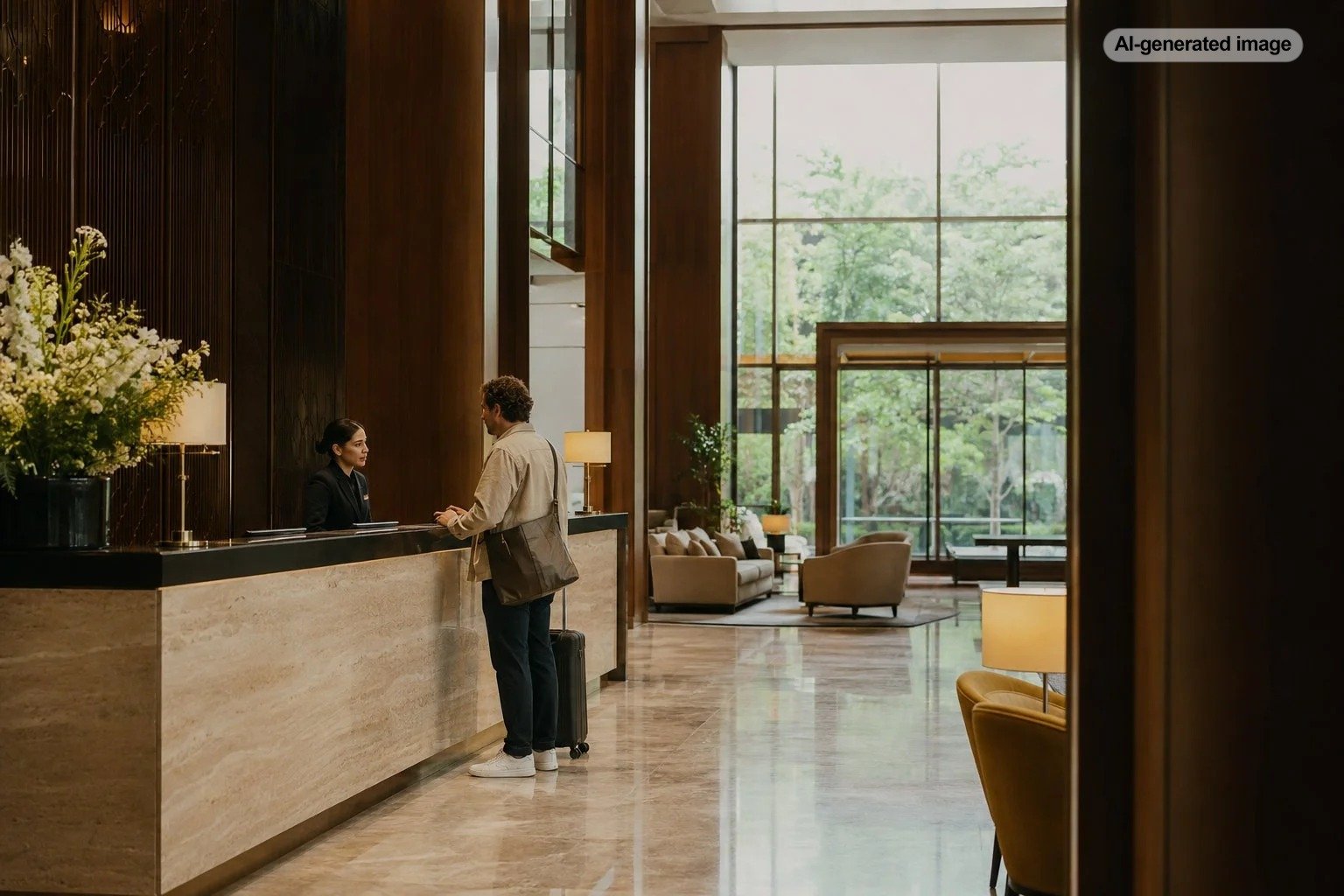
What to Do If the Air Conditioning in Your Hotel Room Does Not Work
If the air conditioning in your hotel room does not work, start with a few simple checks, then contact the front desk promptly rather than spending hours trying to solve the problem yourself. A hotel may be able to reset the system, send someone to inspect it, provide a different room, or explain how a property-specific climate control system works.
The important point is to report the problem clearly and early. Air-conditioning systems vary significantly among hotels, and what appears to be a broken unit can sometimes be a thermostat setting, a window sensor, a central building control, or another issue that only hotel staff can address.
Quick answer: what to do when your hotel AC is not working
- Check the thermostat, power setting, fan mode, and any obvious controls.
- Make sure doors and windows are fully closed if the room uses sensors.
- Give the system a short period to respond after changing the temperature.
- Contact the front desk if the room is not cooling normally.
- If the problem cannot be resolved reasonably, ask what alternative room or accommodation options are available.
Start with the thermostat and basic room controls
Before calling the front desk, check the controls you can reasonably access without removing panels or attempting repairs. Confirm that the system is switched on, the temperature is set below the current room temperature, and the mode is set to cooling rather than heat or fan-only operation.
Some hotel thermostats respond slowly after a setting is changed. Others control a centralized system rather than an individual compressor in the room. In some properties, opening a balcony door or window may cause the climate system to stop automatically. Closing the door completely can sometimes restore operation.
Do not dismantle a thermostat, open an air-conditioning unit, move furniture to access electrical components, or attempt a repair. Even if the problem looks simple, hotel equipment is the property’s responsibility.
Allow a reasonable amount of time for the room to cool
A room that has been warm for several hours may not become comfortable immediately after the system starts. Large windows, direct afternoon sun, high outdoor temperatures, room size, and the design of the hotel’s cooling system can all affect how quickly the temperature changes.
That does not mean you should tolerate a room that remains uncomfortably warm indefinitely. If cool air is not coming from the system, the thermostat does not appear to respond, or the room remains noticeably uncomfortable after the system has had an opportunity to operate, contact the hotel.
Call the front desk and describe the problem specifically
A clear description can make it easier for hotel staff to determine the next step. Instead of simply saying that the room is hot, explain what you have observed. For example, tell them that the thermostat is set to cooling but the vent is producing no air, that the fan operates but the air does not feel cool, or that the thermostat does not appear to respond.
Ask whether there is anything specific about the hotel’s system that you should know. Some properties may control certain settings centrally or use controls that operate differently from a conventional home thermostat.
If hotel staff offer to send someone to inspect the room, ask for a general sense of what will happen next so you can decide whether you want to remain in the room during the visit or continue with your plans elsewhere in the hotel.
Ask about changing rooms if the problem cannot be fixed promptly
If the hotel cannot restore comfortable cooling within a reasonable period, asking about another room is a practical next step. Be specific about what you need: a room with functioning climate control rather than simply any available room.
A room change can involve tradeoffs. The alternative room may be on another floor, farther from the elevator, configured differently, or located in a different part of the property. If an important feature of your original room matters to you, mention it before accepting the change.
For example, a family may prioritize keeping the same bed configuration, while a business traveler may care more about making a quick move before an early meeting. A traveler staying only one night may prefer the fastest practical solution, while someone beginning a weeklong stay may want to address the issue more thoroughly before unpacking.
Keep a simple record of the problem
If the issue becomes prolonged, it can be useful to keep a basic record of when you first reported it, whom you spoke with if you know the person’s name, what response was offered, and whether the problem was resolved. You do not need to turn the situation into a formal dispute; a few notes can simply prevent confusion if you speak with different employees during different shifts.
If the room remains unusually warm, you might also take a photograph of the thermostat display if doing so accurately documents the issue. A thermostat reading alone does not prove why a room is warm, but it can help establish what you observed at a particular point in time.
Discuss practical alternatives when a room change is not available
Hotels differ in what they can offer when a maintenance issue affects a room. If no comparable room is available, ask the front desk what options the property can provide. The appropriate response will depend on the hotel’s circumstances, the nature of the problem, your reservation, and the property’s policies.
Avoid assuming that a particular refund, discount, upgrade, or other compensation is automatically owed. Instead, explain how the unresolved problem is affecting your stay and ask what the hotel can do. Keeping the conversation focused on a workable solution is usually more useful than beginning with a demand for a specific remedy.
Consider another place to stay only when it makes practical sense
Moving to another property is a more disruptive option and may not be necessary if the hotel can resolve the issue quickly. However, it may become worth considering when the problem remains unresolved, the available alternative rooms do not meet your needs, or you have several nights remaining and do not want the issue to define the rest of the stay.
Before leaving, understand what the hotel is offering regarding your existing reservation. Cancellation terms, refunds, adjustments, and responsibility for unused nights depend on the booking and property policies. If you booked through a third party, the process may also involve the company through which the reservation was made.
What travelers often overlook
One commonly overlooked issue is that the air conditioner may not be individually controlled in the way a traveler expects. Older buildings, centrally managed systems, energy-saving controls, occupancy sensors, and seasonal operating configurations can create a different experience from a typical residential thermostat.
Another consideration is timing. Reporting the problem shortly after check-in generally gives the hotel more opportunity to investigate it or arrange a room move than waiting until late at night. If the room seems unusually warm when you arrive, check the climate control before fully unpacking.
Finally, distinguish between personal temperature preference and a system that is genuinely failing to operate as expected. Two people can reasonably prefer different room temperatures. The most productive conversation with the hotel focuses on observable problems: the unit will not turn on, the controls do not respond, the room is not cooling, or the system is producing only warm air.
How to handle the conversation with hotel staff
Be concise, specific, and solution-oriented. Explain what is happening, mention any basic troubleshooting you already tried, and ask what the hotel recommends next. If the first solution does not work, follow up and explain that the issue remains unresolved.
If you are offered a new room, verify the essential details before moving your belongings. If you are offered another solution, make sure you understand what will happen and whether you need to be present. The objective is not merely to report a maintenance problem but to reach a practical arrangement that lets you continue your stay comfortably.
Frequently asked questions
Should I try to repair the hotel air conditioner myself?
No. Limit your troubleshooting to ordinary guest controls such as the thermostat, switches, and ensuring doors or windows are properly closed. Leave mechanical, electrical, and internal equipment issues to hotel staff.
Can I ask for another room if the AC does not work?
Yes, you can ask. Whether another suitable room is available will depend on the hotel’s occupancy and circumstances, so explain which room features are important before accepting a move.
Should I ask for a refund?
If the problem materially affects your stay and is not resolved, you can discuss the situation with hotel management. Any adjustment will depend on the circumstances, reservation terms, and property policies, so avoid assuming a specific outcome.
What if I booked through another website?
Start by reporting the maintenance problem directly to the hotel so it has an opportunity to address the room itself. If the issue later involves changing or refunding a reservation made through a third party, you may also need to contact the company through which you booked.
What is the best way to avoid this problem disrupting the stay?
Check the room temperature and climate controls soon after arrival, especially before unpacking for a longer stay. If something does not seem right, reporting it early gives the hotel more time to investigate and gives you more flexibility if a room change becomes necessary.