Can You Change Hotel Rooms After You Have Already Unpacked?
Yes, you can ask to change hotel rooms even after you have unpacked. Unpacking does not normally prevent a room move, although the hotel may not have another suitable room available. Whether the request is approved will depend on the reason for the move, current occupancy, room type, timing, and the property’s procedures.
The most effective approach is to contact the front desk promptly, describe the specific problem calmly, and explain what would resolve it. If the hotel offers another room, confirm its location and features before repacking your belongings.
Quick answer
- You may request another room at any point during your stay, including after unpacking.
- A move is more likely when the room has a maintenance, cleanliness, noise, accessibility, or assignment problem.
- The hotel may offer a repair, cleaning visit, or comparable room before considering an upgrade.
- Inspect the proposed replacement before transferring your luggage when possible.
- Keep valuables and medications with you during the move.
Unpacking does not eliminate your ability to request a move
Hotels understand that some problems become apparent only after a guest has settled in. Intermittent mechanical noise may begin at night, a neighboring room may become disruptive, or an air-conditioning problem may take time to notice. You are not expected to remain in an unsuitable room simply because your clothes are in the drawers.
However, a request is not the same as a guaranteed room change. The hotel may be sold out, or the only available alternatives may have different beds, views, locations, or accessibility features. A property may also need time to inspect the original room or prepare a replacement.
Reasons that generally justify asking for another room
A clear, specific reason helps the front desk identify an appropriate solution. Strong reasons include a malfunction that cannot be corrected promptly, significant cleanliness concerns, persistent noise, smoke or another strong odor, a door or lock problem, or a room assignment that does not provide a confirmed accessibility feature.
Preferences can also support a request, but they may receive lower priority. A traveler might prefer a room farther from the elevator, on another floor, or with a different orientation. Hotels may accommodate such requests when inventory permits, but preferences are not always guaranteed unless they were part of the confirmed reservation.
If there is an urgent security concern, a serious electrical problem, visible smoke, or another immediate hazard, leave the affected area and contact hotel staff at once. Do not wait in the room while negotiating the finer details of a move.
How to ask for a room change effectively
Call or visit the front desk as soon as the issue is clear. State the room number, describe the problem factually, and mention any steps already taken. For example, explain that the air conditioner has continued blowing warm air after a reasonable adjustment or that repeated hallway noise is entering through a connecting door.
Then ask for a practical outcome: “Would it be possible to move to a quieter room away from the elevator?” This is more useful than asking vaguely for a better room. If several alternatives would work, say so. Flexibility about the floor, view, or bed arrangement may make a same-day move easier.
Remain polite, but do not minimize a material problem. Front desk employees usually need accurate details to decide whether to dispatch maintenance, arrange housekeeping, involve a manager, or find another room.
What the hotel may offer before moving you
A hotel may first attempt to solve the problem in the existing room. That can be reasonable when a technician can reset a thermostat, housekeeping can correct an isolated oversight, or staff can address nearby noise quickly. A repair may also be less disruptive than repacking and changing floors.
You can still explain why a repair is not sufficient. A business traveler preparing for an early presentation may not be able to wait through an uncertain maintenance visit. A family with a sleeping child may find a late-night repair impractical. A guest with asthma or fragrance sensitivity may need distance from an odor rather than an attempt to mask it.
If the hotel offers an upgraded room, treat that as a possible resolution rather than an automatic entitlement. A comparable room that fixes the underlying issue may be the most realistic outcome.
Inspect the replacement before repacking
When practical, ask whether you can see the proposed room before moving everything. Check the feature that prompted the request as well as the elements most important to your stay: bed configuration, noise exposure, temperature, bathroom condition, accessibility, and distance from the elevator.
This short inspection can prevent a second move. A room that is quieter may be smaller, farther from your companions, or configured differently. Decide which tradeoffs matter before surrendering the original key.
Confirm whether both keys will remain active during the transfer and when the original room must be vacated. Some properties can send a bell attendant or luggage cart, while others may ask you to manage the move yourself.
How to move after you have fully unpacked
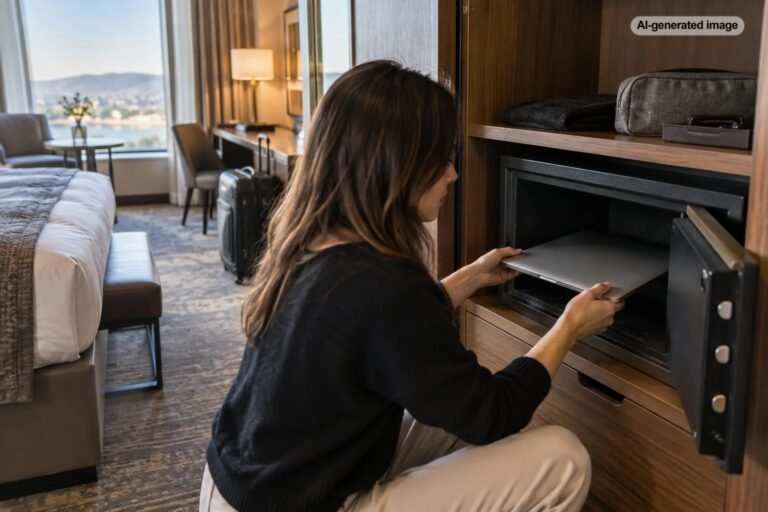
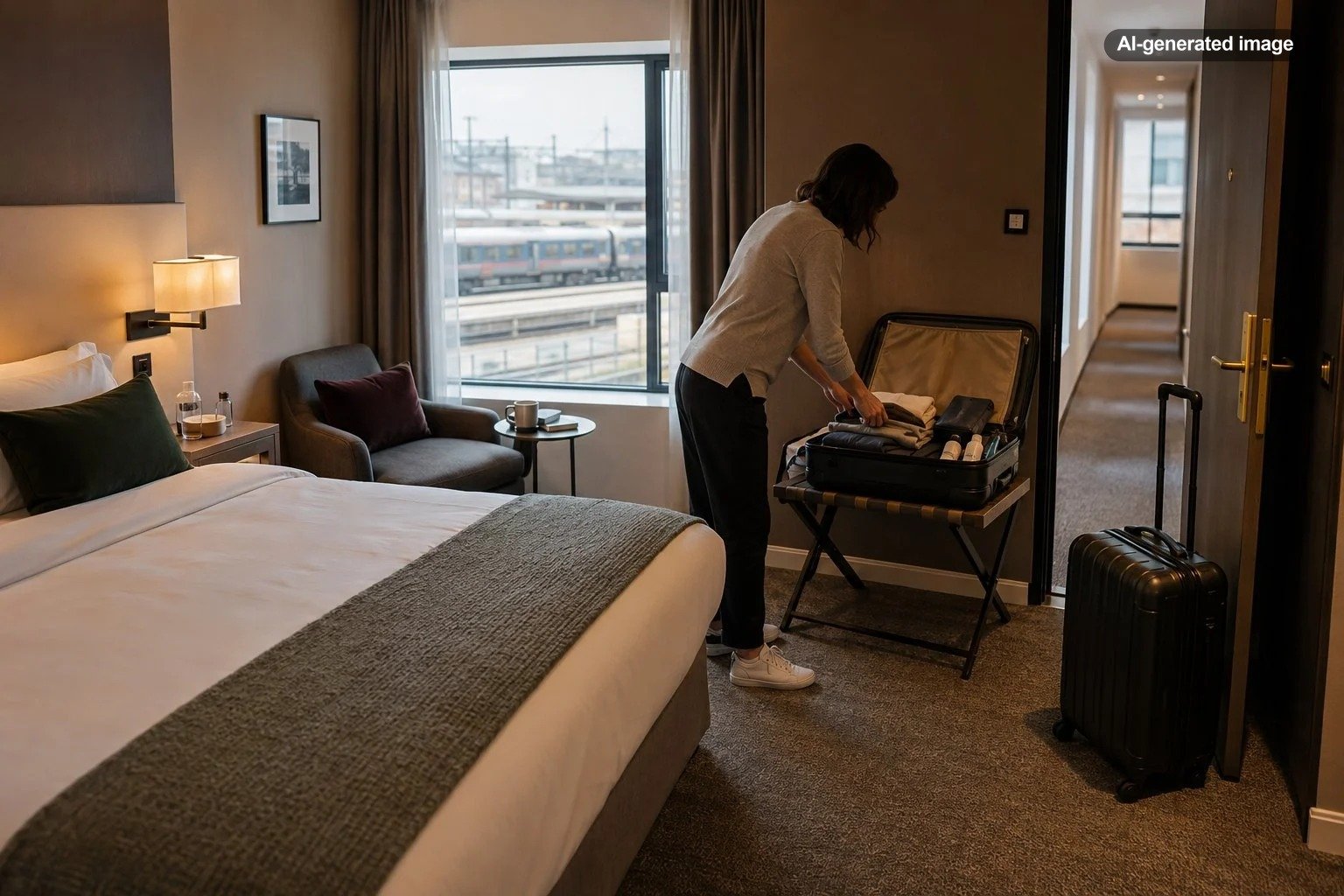
Pack systematically rather than rushing. Start with valuables, passports, medications, electronics, chargers, and travel documents. Check the safe, outlets, bedside tables, bathroom shelves, shower, closet, drawers, refrigerator, and luggage rack.
Keep essential items in a personal bag that stays with you. If hotel staff transport the remaining luggage, confirm the destination room number directly with the staff member assisting you. Avoid leaving cash, identification, medication, or fragile electronics unattended.
Before leaving, photograph or make a quick note of any preexisting damage related to the complaint. This can help distinguish the original room condition from anything associated with your stay. Return the old keys as instructed and verify that any room charges have transferred correctly.
Timing can affect the available choices
Early evening can be complicated because many arriving guests have already been assigned rooms, while housekeeping may have finished servicing vacant inventory. Late-night requests can be harder still if the hotel is full or has a smaller overnight staff.
Report a known problem promptly rather than waiting until bedtime. If no appropriate room is available that night, ask whether the issue can be addressed immediately and whether a move might be possible the following day. Confirm how the hotel will contact you and whether you need to remain available at a particular time.
Guests staying several nights may have more reason to accept a next-day move than travelers departing in the morning. Conversely, a one-night guest with a serious sleep-disrupting problem may need an immediate solution rather than a promise of later assistance.
What travelers often overlook
A different room can change more than its location. Confirm whether the replacement retains any important reservation features, including the number and type of beds, an accessible layout, a connecting arrangement, or enough space for the registered occupants. Do not assume that an upgrade preserves every practical feature.
If you are traveling with companions in nearby rooms, ask whether the move will separate the group. Families should also check that the new configuration works for supervision and sleeping arrangements.
Finally, review the updated room information in any hotel messaging system or folio. Confirm that deliveries, wake-up calls, maintenance notes, and authorized guests are associated with the correct room.
Frequently asked questions
Can a hotel charge for changing rooms?
A hotel may quote an additional charge if you request a higher room category or a feature not included in the original reservation. Ask whether the move changes the nightly rate before accepting it. A move intended to correct a problem with the assigned room should be discussed separately from a voluntary upgrade.
Can I move rooms because I dislike the view?
You can ask, but a preferred view may depend on availability and the category booked. Confirm whether the alternative has a different rate or sacrifices another feature.
Should I ask through the booking platform or the hotel?
For an in-stay operational issue, contact the hotel’s front desk first because on-site staff control current room assignments. Keep the reservation confirmation available if the concern involves a room feature included in the booking.
What if the replacement room is not acceptable?
Explain the specific problem before moving your belongings. Ask whether another solution is available, but recognize that inventory may be limited. If the matter remains unresolved, request to speak with the manager on duty and keep a concise record of the issue and responses.
Do I need to repack everything myself?
Assistance varies by property and staffing. Ask whether a bell attendant or luggage cart is available, but personally secure valuables, medications, documents, and electronics throughout the move.