Best Time of Year to Go on Safari
The best time of year to go on safari is usually during the dry season, when vegetation is thinner and wildlife tends to gather near dependable water sources. Across many leading safari regions in eastern and southern Africa, this broadly means traveling between June and October.
That answer is useful, but it is not universal. The best month depends on where you are going and what matters most: concentrated wildlife, migration activity, newborn animals, green scenery, birding, quieter camps, or more moderate trip costs. Safari seasons also differ between the Serengeti, Maasai Mara, Okavango Delta, Kruger region, and other ecosystems.
Quick answer
- Best for dependable general wildlife viewing: June through October in many eastern and southern African destinations.
- Best for the Great Migration: Different months suit different locations, because the herds move through the Serengeti-Mara ecosystem throughout the year.
- Best for calving and predator activity: Roughly January through March in the southern Serengeti and nearby areas.
- Best for green landscapes and birding: The wetter green season, commonly from November through March or April, depending on the region.
- Best for fewer visitors and possible seasonal value: Shoulder periods and selected green-season months, provided travelers accept a greater chance of rain.
Why the dry season is the conventional best time for safari
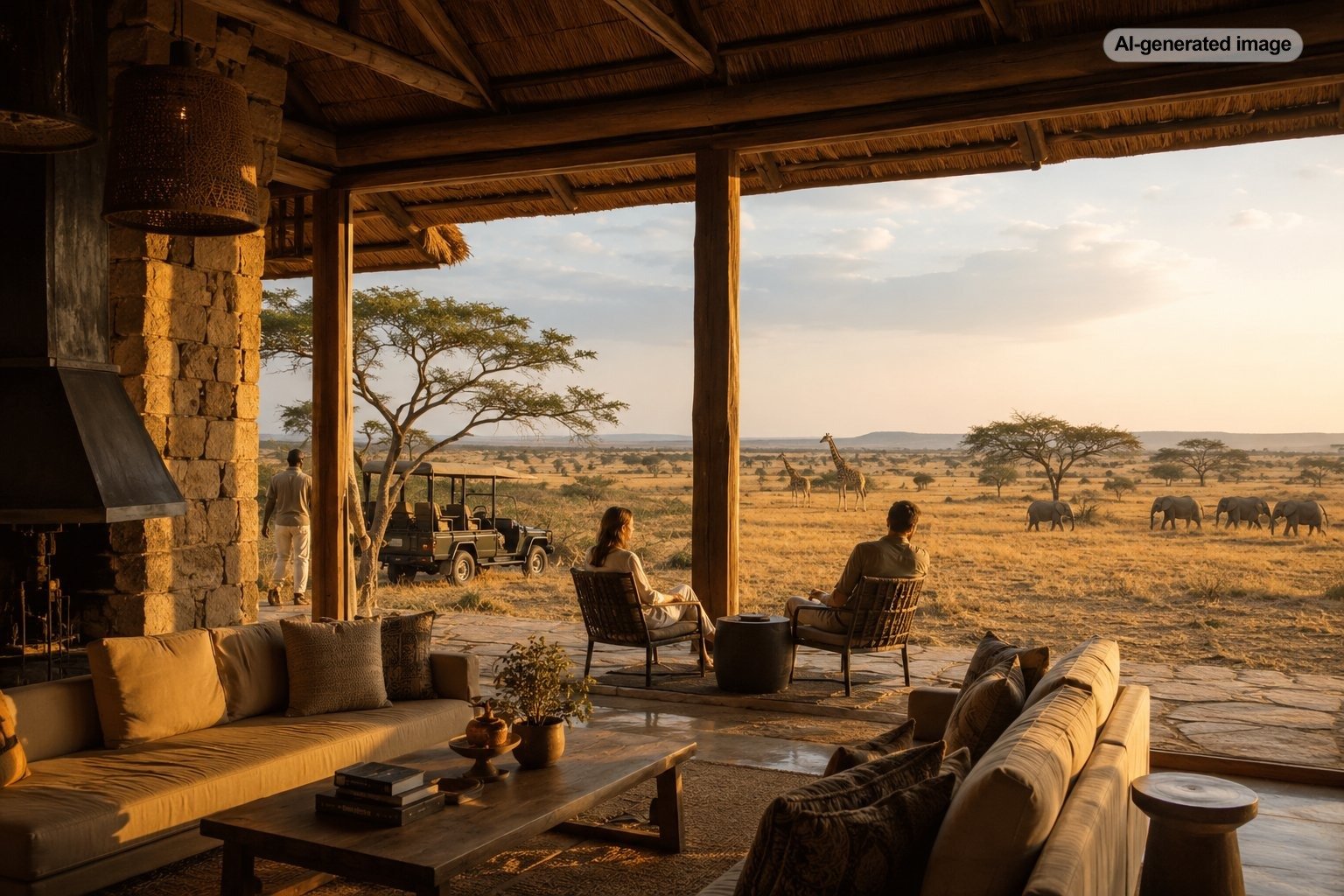
Dry-season safaris are generally easier to plan because wildlife viewing can become more predictable. As temporary pools disappear and grazing conditions change, animals often concentrate around rivers, permanent waterholes, and wetlands. Lower grasses and thinner foliage can also make animals easier to see from a vehicle.
In Botswana, wildlife viewing is commonly strongest from May through October, with animals concentrating near rivers and water sources as conditions become drier. The Chobe Riverfront is particularly associated with large dry-season gatherings of elephants and buffalo. South Africa’s principal safari regions also tend to offer favorable viewing during the drier winter months, broadly from May or June through September or October.
There are tradeoffs. The most sought-after dry-season weeks may bring greater demand for well-positioned camps, particularly in famous reserves. Early morning drives can also feel surprisingly cold in open vehicles, especially in southern Africa. Later in the season, conditions may become dusty, hot, and visually less lush.
When to see the Great Migration
The Great Migration should not be treated as a single event with one guaranteed viewing month. Wildebeest, zebra, and other grazing animals move through the Serengeti-Mara ecosystem in response to rainfall, water, and fresh grass. Their timing and location can shift from year to year.
January through March: Calving in the southern Serengeti
This period is generally associated with calving on the short-grass plains of the southern Serengeti and the broader Ndutu area. Travelers may see large herds with young animals, along with predators responding to the seasonal concentration of prey.
This is a strong choice for travelers more interested in newborn animals and predator-prey interactions than in dramatic river crossings. Afternoon rain is possible, but the landscape can be green and highly photogenic.
April through June: Herds moving north
As seasonal conditions change, the herds commonly begin moving through the central and western Serengeti. This phase can offer substantial wildlife activity without focusing the entire trip on a particular crossing point.
April and May may overlap with heavier rains in parts of Tanzania. Some travelers appreciate the quieter atmosphere and green scenery, while others may prefer drier months for road conditions and more predictable daily schedules.
July through October: Northern Serengeti and Maasai Mara
These months are often targeted by travelers hoping to see the herds in the northern Serengeti or Kenya’s Maasai Mara. River crossings may occur during this broader period, but they cannot be scheduled like a performance. Herds may wait, cross unexpectedly, change direction, or use a different point from the one visitors anticipated.
This period suits travelers who value dry-season game viewing even if a crossing does not occur. It may be less suitable for those who dislike busy wildlife-viewing areas or who expect every drive to produce a dramatic migration scene.
November and December: Returning south
As rainfall patterns encourage new grazing, the herds generally begin moving south again through the Serengeti ecosystem. This transitional period can combine migration activity with greener landscapes, though locations are particularly dependent on current conditions.
When to choose a green-season safari
The green season is often dismissed as the rainy season, but that description overlooks several advantages. Landscapes become more colorful, skies can be dramatic, migratory birds may be present, and many grazing species give birth when fresh vegetation is available. Predator activity can remain compelling because young animals are more vulnerable.
Rain does not always mean continuous all-day downpours. In many safari regions, showers are localized or concentrated in part of the day. However, precipitation can affect unpaved roads, light-aircraft schedules, walking activities, and access to remote camps. Some seasonal properties may close during the wettest weeks.
A green-season trip is best for photographers who prefer saturated landscapes, birders, repeat safari travelers, and visitors who value a quieter atmosphere. It is less suitable for anyone who wants the most predictable road conditions or who would be disappointed by tall grass obscuring smaller animals.
Best safari timing by destination
Kenya
July through October is a popular period for dry-season wildlife viewing and possible migration activity in the Maasai Mara. January and February can also offer relatively dry conditions in several safari regions. Travelers focused on migration should remember that the wider movement is continuous and that exact herd locations depend on rainfall.
Tanzania
June through October generally offers dry-season conditions across the northern circuit. January through March is particularly relevant for southern Serengeti calving. Travelers combining safari time with coastal or mountain plans should evaluate each region separately rather than assuming one weather pattern applies to the entire country.
Botswana
May through October is widely favored for game viewing, especially as animals concentrate near water. The Okavango Delta’s annual flood is influenced by rainfall far upstream, so local dry weather can coincide with expanding waterways. November through March brings greener scenery, young animals, summer birds, and more variable rain.
South Africa
May through September, extending into October in some areas, is a strong period for safari in the northeastern reserves. Drier vegetation can improve visibility, while wildlife gathers around water sources. South Africa also works well for travelers combining safari with cities, vineyards, or the coast, but the ideal season for those additions may differ from the ideal safari season.
Namibia
The dry months from roughly June through October are commonly preferred for wildlife viewing in Etosha, where animals gather near waterholes. Travelers should prepare for cold mornings earlier in the season and increasingly hot, dry conditions as the season progresses.
How crowds, availability, and trip style affect the decision
The most famous month is not automatically the best month for every traveler. A first-time visitor who wants straightforward game viewing may favor the heart of the dry season. A photographer may prefer the softer light, clouds, and color of the green season. Families may prioritize moderate temperatures and a lodge with a flexible activity schedule, while couples may care more about privacy and avoiding the busiest travel weeks.
Travelers should also distinguish between public reserves and private concessions. A quieter concession with controlled vehicle numbers may feel less crowded during peak season than a celebrated wildlife sighting beside a heavily traveled public road. Location within a reserve can matter as much as the month itself.
What travelers often overlook
- Morning temperatures: Open-vehicle drives can be cold before sunrise, even when afternoons are warm.
- Regional variation: A continent-wide statement about the rainy season is rarely precise enough for itinerary planning.
- Animal movement is not guaranteed: Migration routes and concentrations respond to natural conditions, not fixed calendars.
- Long grass changes the experience: Green-season viewing may require more patience, but it can reward travelers with richer scenery and unusual behavior.
- Combining destinations creates compromises: The ideal safari month may not be the ideal month for a beach, desert, mountain, or city extension.
How to choose your safari month
Start with the wildlife experience rather than the country name. Decide whether the priority is general game viewing, a migration phase, calving, elephants near a river, birding, photography, or fewer visitors. Then select the ecosystem and travel window most closely associated with that goal.
For a first safari with broad wildlife priorities, July through September is a practical starting point in many destinations. For calving in Tanzania, consider January through March. For Botswana’s dry-season concentrations, look closely at June through October. For green landscapes and birding, investigate the destination’s wetter months and confirm which camps remain accessible.
Frequently asked questions
What is the single best month for an African safari?
September is a strong all-around choice in many major safari regions because it commonly falls within the dry season. However, it is not universally best, and travelers interested in calving, birds, green scenery, or lower demand may prefer another period.
Is the rainy season a bad time for safari?
No. It can offer lush landscapes, fewer visitors, migratory birds, newborn animals, and dramatic photography. The drawbacks are less predictable roads, thicker vegetation, mosquitoes in some areas, and possible changes to camp operations.
When is the cheapest time to go on safari?
Lower-demand green-season and shoulder-season periods may offer more moderate rates than peak dry-season travel. Pricing varies substantially by country, camp, room category, routing, and holiday calendar, so travelers should compare complete itineraries rather than nightly lodging rates alone.
Can the Great Migration be guaranteed?
No. The migration is a year-round natural movement influenced by rainfall and grazing. An experienced operator can position an itinerary around typical seasonal patterns, but no ethical planner should guarantee a specific river crossing or exact herd location.
How far ahead should a safari be planned?
Peak-season trips, specialist camps, family accommodations, and itineraries involving multiple small aircraft are generally easier to arrange with substantial advance planning. Flexible travelers may find options closer to departure, particularly outside the busiest periods.