Why Do Some Hotel Rooms Have Windows That Cannot Open?
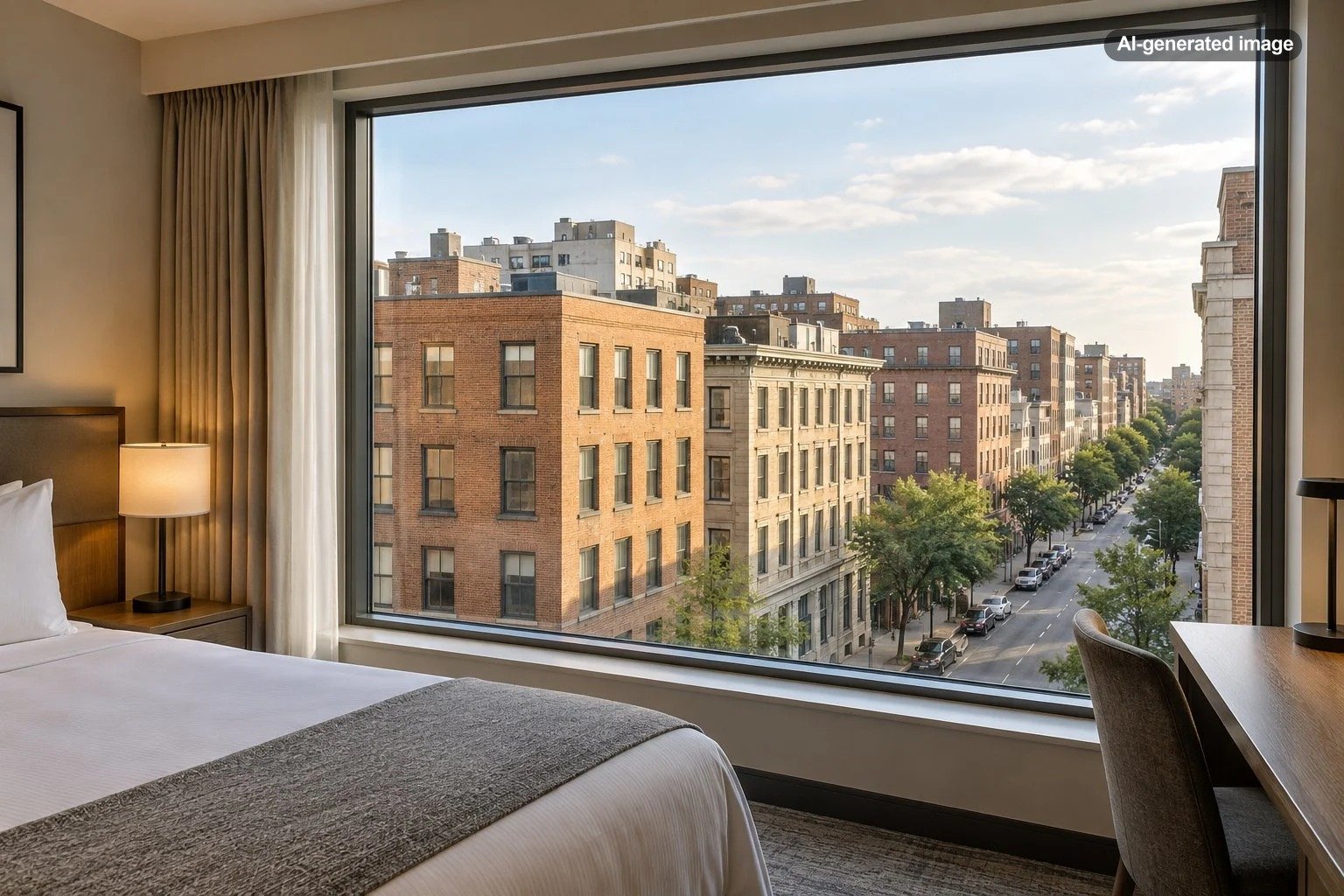
Arriving at a hotel room with a generous view but discovering that the windows cannot open can be surprisingly frustrating. The glass may stretch from floor to ceiling, yet there is no handle, latch, or obvious way to let in a breeze. For travelers accustomed to sleeping with fresh air, the omission can feel particularly noticeable.
Hotel windows are often designed not to open because of building safety considerations, climate control, noise reduction, and maintenance requirements. In many modern hotels, ventilation is handled through mechanical systems rather than open windows. The precise reason depends on the building, its location, and its operating design.
Quick Answer: Why Are Some Hotel Windows Sealed?
Several practical considerations can influence whether hotel guest room windows open:
- Building safety: Fixed glazing can reduce the risk of falls and objects dropping from upper floors.
- Heating and cooling: Sealed windows help maintain predictable indoor temperatures and humidity levels.
- Noise reduction: Closed glazing limits exposure to traffic, aircraft, and busy streets.
- Building design: Modern hotel ventilation systems may deliver outdoor air without requiring operable windows.
- Maintenance: Fewer moving window components can mean fewer repairs, drafts, and water intrusion problems.
These factors often overlap. A hotel near a busy airport, for example, may prioritize acoustic insulation, while a high-rise property may place greater emphasis on limiting access to exterior openings.
Building Height and Guest Safety Influence Window Design
One important consideration is the height of the guest room above ground level. In taller buildings, unrestricted window openings introduce potential risks involving falls, unsecured objects, and access to exterior building surfaces.
Fixed windows eliminate the possibility of guests opening them accidentally or intentionally. Other properties use restricted-opening windows that allow a small gap but prevent the window from opening fully.
It is important not to assume that every sealed hotel window is required by fire or building codes. Requirements vary by jurisdiction, building configuration, and applicable regulations. Some hotels choose fixed glazing as part of their architectural or operational strategy even when other compliant designs may be available.
A window’s inability to open also does not automatically indicate a fire-safety problem. Hotel emergency procedures depend on the building’s specific design, including its protected exit routes and other safety systems. Guests should follow posted emergency instructions rather than treating a guest room window as a planned escape route.
Sealed Windows Help Hotels Control Temperature and Humidity
Heating and cooling a hotel involves more than adjusting a thermostat. Buildings must manage temperature fluctuations, outdoor humidity, ventilation, and the comfort of guests occupying many separate rooms.
When a window opens during hot or humid weather, outdoor air enters without necessarily passing through the building’s cooling and dehumidification equipment. This can create additional work for the mechanical system.
In humid destinations, the issue is particularly relevant. Moisture entering through open windows can contribute to condensation and uncomfortable indoor conditions when humidity is not adequately controlled.
In cold climates, open windows can produce drafts and increase the demand for heating. They can also create uneven temperatures between rooms.
The American Society of Heating, Refrigerating and Air-Conditioning Engineers identifies ventilation, humidity management, temperature control, noise, and operating efficiency as important considerations in hotel guest room HVAC design.
Fixed windows can help hotels maintain these conditions more consistently. However, a sealed window does not guarantee an efficient or well-maintained heating and cooling system.
Noise Reduction Is Especially Important in Urban Hotels
A hotel overlooking a major boulevard may have an attractive view, but opening the window could introduce significant street noise.
Traffic, late-night conversations, emergency vehicles, construction activity, and aircraft can all interfere with sleep. Properties near airports, entertainment districts, and busy intersections may therefore benefit from windows designed to remain closed.
Fixed glazing can support acoustic design by eliminating gaps associated with operable window assemblies. The actual result also depends on glass construction, seals, wall assemblies, and installation quality.
For a business traveler preparing for an early meeting, a quiet sealed room may be preferable to one with opening windows facing a noisy street. Someone spending several nights in a quiet mountain town may make the opposite choice.
Neither preference is inherently superior. The important distinction is whether the room delivers the atmosphere and comfort the guest expects.
How Does Fresh Air Enter a Hotel Room When the Windows Do Not Open?
This is often the most important question for travelers who discover that their room has fixed windows.
A room does not necessarily need an opening window to receive outdoor air. Buildings can introduce ventilation air through mechanical equipment, including dedicated outdoor-air systems that condition incoming air before distributing it to guest rooms.
Some hotel systems combine room-level temperature control with separate ventilation equipment. Others use different arrangements based on the building’s age, configuration, and engineering design.
There is also an important distinction between air circulation and ventilation. A fan or air-conditioning unit may circulate existing indoor air without independently delivering outdoor air. A running fan, therefore, is not proof that fresh outdoor air is entering the room.
The U.S. Environmental Protection Agency explains that outdoor air can enter buildings through natural ventilation, air leakage, or mechanical systems. The specific method matters more than whether a guest can physically open a window.
What if the room feels stuffy?
A stuffy room does not automatically mean that the hotel has inadequate ventilation. Temperature, humidity, odors, air movement, and personal comfort can all influence that sensation.
If the room feels uncomfortable, ask the front desk how ventilation works and whether staff can check the room’s heating, cooling, or ventilation equipment. Persistent odors, visible moisture problems, or equipment that appears to malfunction are reasonable grounds to request an inspection or alternative accommodation.
Why Can Windows Open in Some Hotels but Not Others?
Hotel design varies substantially. A low-rise roadside property, a converted historic building, and a modern glass tower may each approach windows differently.
Low-rise and older properties
Some older hotels were designed when opening windows were a normal part of guest room ventilation. Certain low-rise properties retain that feature, particularly where the building’s layout makes operable windows practical.
However, age alone is not a reliable indicator. Renovations may replace older windows with fixed units, and some historic buildings have restrictions or design considerations that affect window alterations.
Modern high-rise hotels
Tall buildings may favor sealed glazing for several combined reasons: wind exposure, safety, mechanical ventilation design, exterior maintenance, and architectural consistency.
Some high-rise hotels still provide restricted-opening windows or operable sections. A modern building does not automatically mean every guest room has sealed glass.
Resorts and outdoor-oriented properties
Hotels designed around gardens, terraces, courtyards, or coastal scenery may offer balconies, sliding doors, or windows that open.
Even within these properties, room categories can differ. A standard room might have fixed windows while another category includes a balcony door. A room with a balcony may also have fixed windows separate from that door.
How to Check Whether Hotel Windows Open Before Booking
Booking photographs rarely provide a definitive answer. A large picture window may look operable even when it is permanently sealed.
Before reserving, especially for a longer stay, consider these steps:
- Read the room description: Look for explicit references to opening windows, operable windows, balconies, or terraces.
- Contact the property directly: Ask whether windows in the exact room category open, rather than whether any rooms in the hotel have that feature.
- Clarify restrictions: Some windows open only a few inches, which may not provide the experience you want.
- Ask about outdoor space: A balcony or terrace may be an alternative, but verify access and whether the exterior door can be opened by guests.
- Confirm the assigned room: If opening windows are essential, ask whether that feature can be confirmed for your reservation rather than merely requested.
It can also help to distinguish a window that provides ventilation from one that is opened for housekeeping or maintenance only. A property may have technically operable windows that guests are not permitted to use.
For travelers planning an extended stay, a vacation rental or apartment-style accommodation may offer a different layout. Browse Homes & Villas by Marriott Bonvoy to explore another lodging category, while confirming individual property details before making a reservation.
Accommodation features, rates, fees, availability, and cancellation terms vary by property, so a particular window arrangement should never be assumed from the accommodation category alone.
What Travelers Often Overlook About Fixed Hotel Windows
It is easy to focus exclusively on whether a window opens, but several related details can have a greater influence on the overall stay.
A balcony is not the same as an opening window. Access to a balcony may provide outdoor air and space, but it can introduce different considerations involving noise, weather, privacy, and accessibility.
A thermostat does not explain the ventilation system. A room can have independent temperature controls while receiving outdoor air through separate centralized equipment.
A pleasant view does not indicate fresh-air access. Floor-to-ceiling glass is often primarily an architectural feature, especially in contemporary urban properties.
Opening windows are not automatically better for every destination. In places with substantial traffic pollution, outdoor smoke, seasonal pollen, or extreme humidity, keeping windows closed may sometimes be preferable.
For travelers who strongly prefer sleeping with an open window, though, the practical benefits of sealed glazing may not outweigh the loss of that choice.
Frequently Asked Questions
Is it normal for hotel room windows not to open?
Yes. Fixed windows are a common design choice in certain types of hotels, especially modern high-rise and urban properties. Other hotels offer opening windows, restricted-opening windows, or balcony doors.
Are sealed hotel windows airtight?
Not necessarily. Fixed windows are designed to limit unwanted air and water leakage, but that does not mean the entire room is airtight. Outdoor air may be introduced through the building’s ventilation system.
Can a hotel unlock a window that appears sealed?
Sometimes a window has restricted hardware or controls accessible only to authorized staff. Other windows are permanently fixed and cannot open. Never force a window or attempt to remove a restrictor. Ask hotel staff for clarification.
Does air conditioning provide fresh air in a hotel room?
Not always. Some systems primarily recirculate room air, while others receive outdoor air directly or work alongside a separate ventilation system. Ask the property about its specific arrangement if this is important to your stay.
Can I request a room with opening windows?
Yes, but availability depends on the property and room category. Make the request before booking when possible, and confirm whether it is a guaranteed room feature or simply a preference noted on the reservation.
The Bottom Line: Choose the Room Environment That Suits You
Hotel windows that cannot open are usually the result of deliberate building and operational decisions rather than a missing amenity overlooked during construction. Safety considerations, noise, energy management, ventilation design, and maintenance can all influence the choice.
For many travelers, well-controlled indoor temperatures and reduced street noise make fixed windows perfectly acceptable. Others consider access to outdoor air essential to sleeping comfortably.
The most useful approach is to check the specific room features before booking. A simple question about operable windows can prevent disappointment and help ensure the room meets your expectations.
Sources & Further Reading
- ASHRAE Handbook: HVAC Applications, Chapter 7, Hospitality – Technical guidance on guest room ventilation, heating, cooling, humidity control, and HVAC design.
- U.S. Environmental Protection Agency: How Does Outdoor Air Enter a Building? – Explanation of natural ventilation, mechanical ventilation, and infiltration.