What Is Included in a Luxury Safari?
A luxury safari usually includes upscale accommodations, most meals, professionally guided wildlife activities, and at least some transportation within the safari region. Many packages also cover selected drinks, park or conservation fees, laundry, and personalized trip planning. However, there is no universal definition of an all-inclusive luxury safari, so travelers should review the written inclusions for every lodge, camp, transfer, and activity.
The most important distinction is between a lodge rate and a complete itinerary. A lodge may include meals and game drives once guests arrive, while the broader itinerary may also include regional flights, road transfers, meet-and-greet services, and overnight stays between safari destinations.
Quick answer: Common luxury safari inclusions
- Luxury lodge, tented camp, or private villa accommodations
- Breakfast, lunch, dinner, and refreshments during scheduled activities
- One or two guided wildlife activities per day
- Professional guides and, in some regions, dedicated trackers
- Selected beverages, depending on the property’s rate plan
- Some regional transfers, charter flights, or airstrip transportation
- Park, reserve, or conservation fees when specifically stated
- Laundry and limited in-room refreshments at many premium properties
Luxury accommodations
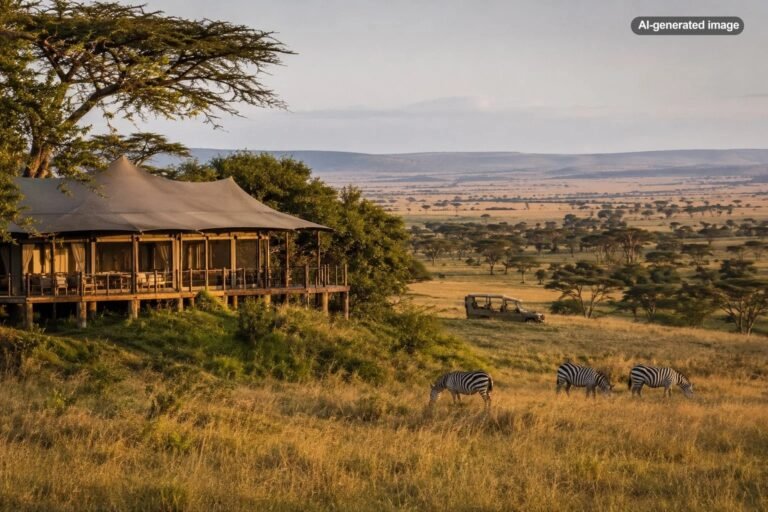
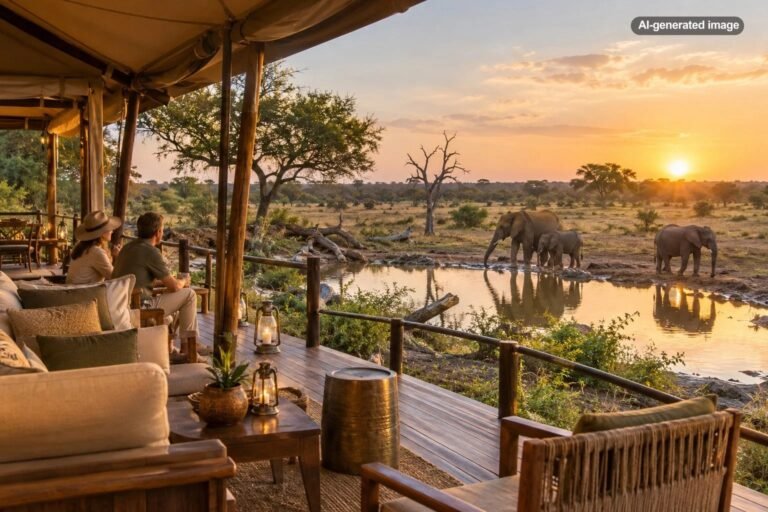
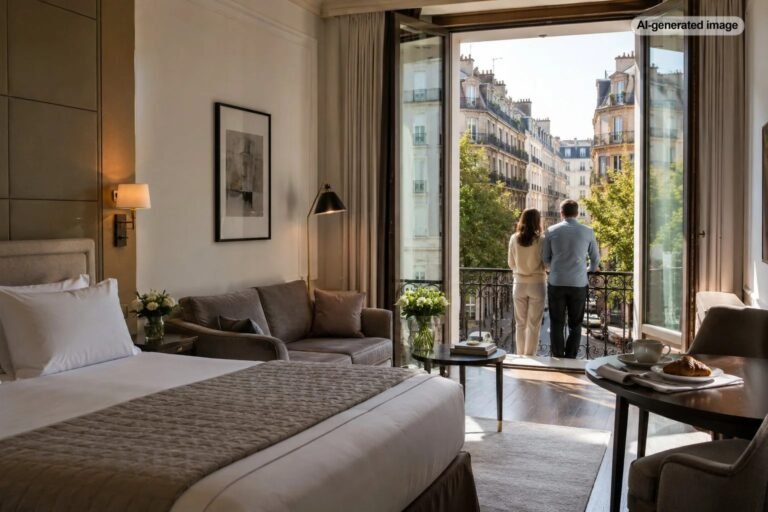
Accommodation is the foundation of a luxury safari package. Depending on the destination, this may mean a permanent lodge suite, an elevated canvas tent, a secluded cottage, or an exclusive-use villa. Luxury is not determined by whether the walls are solid or canvas. A well-designed tented camp can provide a private bathroom, a furnished deck, climate controls, attentive housekeeping, and a high level of privacy.
The quoted rate normally covers the room or suite category identified in the itinerary. Private plunge pools, additional bedrooms, family configurations, and exclusive-use villas may carry different rates. Travelers should confirm whether the price is per person, per room, or for the entire villa, especially when comparing options for families and multigenerational groups.
Meals, snacks, and dining experiences
Most luxury safari lodges include breakfast, lunch, afternoon refreshments, and dinner. Because activity schedules begin early, dining may be arranged around game drives rather than conventional restaurant hours. A typical day might include coffee before sunrise, breakfast after the morning drive, lunch at the lodge, tea before the afternoon activity, and dinner after returning to camp.
Special settings such as a bush breakfast, outdoor dinner, picnic lunch, or sundowner stop may be included when operational conditions allow. These experiences depend on weather, wildlife activity, staffing, and reserve rules, so they should not be treated as guaranteed unless the itinerary states otherwise.
Luxury properties can often accommodate common dietary needs when informed in advance. Travelers with allergies or highly specific requirements should provide clear details before arrival, particularly at remote camps where ingredients cannot be obtained quickly.
Guided game drives and wildlife activities
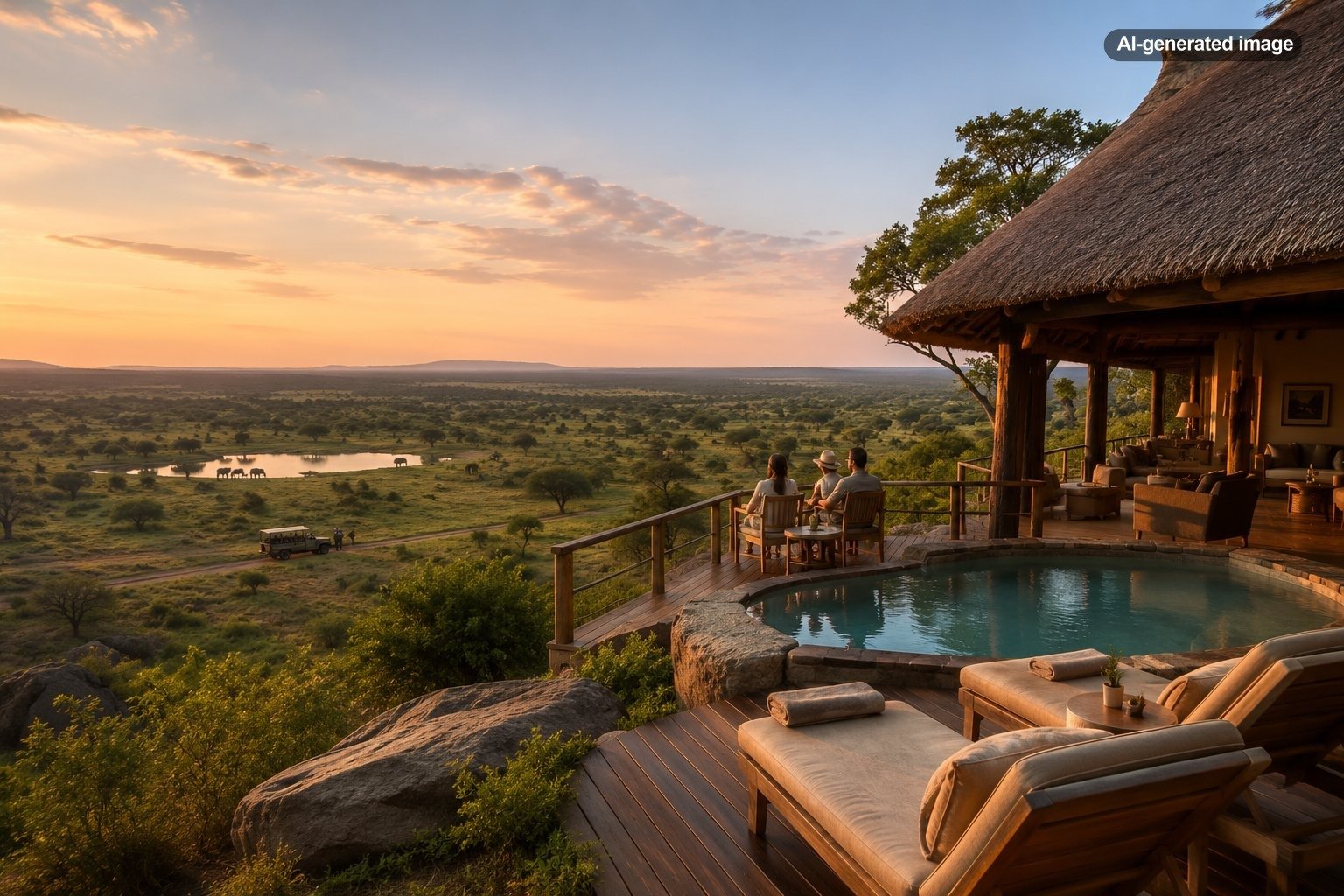
Scheduled wildlife activities are usually included. At many land-based safari properties, this means an early-morning game drive and a late-afternoon or evening drive. Drives are led by trained guides, sometimes accompanied by a tracker who helps identify signs of wildlife and locate animals.
Shared game-drive vehicles are common even at high-end lodges. A private vehicle may be included with certain villas or premium arrangements, but it is frequently an added expense. This is an important distinction for photographers, families with young children, travelers with mobility considerations, and guests who want complete control over the pace of each outing.
Activities vary by habitat. A camp near permanent water may offer boat excursions or canoeing. Other properties may provide guided walks, birding, night drives, horseback safaris, or seasonal water-based activities. The word safari does not guarantee that every activity is included or available throughout the year.
Guides, trackers, and personalized service
Experienced guiding is one of the most valuable elements of a luxury safari. A skilled guide does more than locate prominent animals. Guides interpret behavior, tracks, plants, ecosystems, and conservation issues while managing viewing distances and guest safety.
Service may also include hosts, housekeeping staff, dining teams, luggage assistance, and trip coordinators. Exclusive-use accommodations can include a private guide, chef, host, or vehicle, although the exact staffing model varies. Travelers seeking a completely private experience should verify which personnel and services are dedicated exclusively to their group.
Drinks and in-room refreshments
Many luxury safari rates include water, soft drinks, tea, coffee, local beer, house wine, and a selection of spirits. Premium wines, champagne, reserve spirits, specialty cocktails, and items from a connoisseur list may cost extra.
The phrase selected beverages is more precise than all drinks. Travelers who care about a particular wine, spirit, or nonalcoholic product should request the beverage policy rather than assuming it is covered. Some packages exclude all alcoholic drinks, while others include a broad range except premium labels.
Transfers and regional flights
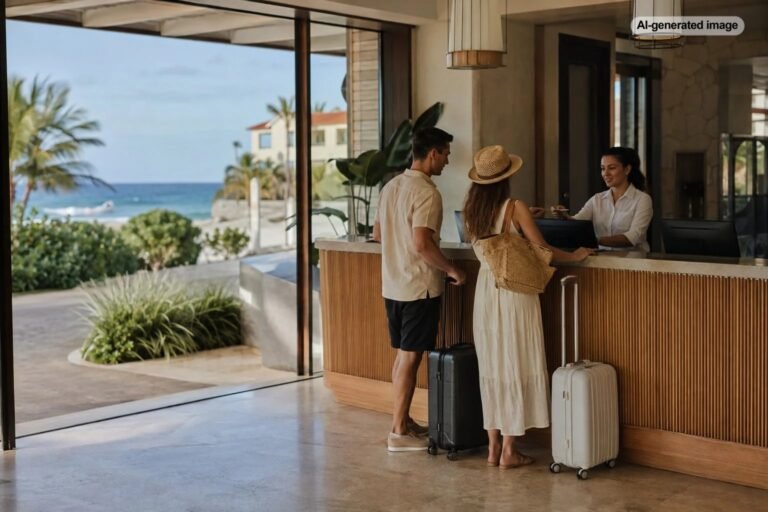
Transportation is where luxury safari packages differ most. A complete itinerary may include airport assistance, scheduled light-aircraft flights, private road transfers, airstrip pickups, and transfers between camps. A room-only lodge rate may include only the short transfer between the local airstrip and the property.
Travelers should determine where the operator’s responsibility begins and ends. International flights are generally separate, and domestic or regional flights may or may not be bundled into the package. Baggage limits on small aircraft can also differ from those of major airlines, which may affect luggage choices.
Private charters offer more control but are not automatically included in a luxury itinerary. Scheduled bush flights can involve multiple stops, shared aircraft, and flexible departure times based on routing and operating conditions.
Park, reserve, and conservation fees
Some luxury safari packages include national park entry fees, private reserve fees, bed-night levies, or conservation contributions. Others list these charges separately because they are collected by a government agency, reserve authority, or conservation organization.
These fees can be significant on a multi-day itinerary. A proposal that appears less expensive may simply exclude mandatory charges that another operator has already included. Ask whether all required fees are covered for every date and destination in the itinerary.
Laundry and practical lodge services
Complimentary laundry is common at many remote luxury camps and can help travelers pack lightly. Service may be limited by cultural practices, fabric-care restrictions, weather, or same-day turnaround capabilities. Delicate garments and items requiring dry cleaning are generally unsuitable for camp laundry.
Wi-Fi may be available in guest rooms, shared areas, or only at certain times, but connectivity in remote wilderness regions can be slow or intermittent. Luxury should not be interpreted as a guarantee of uninterrupted internet, cellular service, or conventional hotel infrastructure.
What may cost extra
Even a premium safari can have substantial exclusions. Common examples include international airfare, passports and visas, travel insurance, medical preparations, gratuities, premium beverages, spa treatments, private vehicles, and personal purchases.
Special activities such as hot-air ballooning, helicopter flights, scenic flights, gorilla or chimpanzee trekking, specialist photographic vehicles, fishing, and privately guided excursions may also require separate payment. Certain permits must be secured well in advance and may have strict cancellation terms.
- Usually separate: International flights, insurance, visas, gratuities, and personal expenses
- Sometimes included: Regional flights, park fees, drinks, laundry, and private transfers
- Frequently optional: Spa services, balloon flights, private vehicles, and specialist activities
Shared versus private safari arrangements
A luxury label does not necessarily mean the safari is private. Travelers may share a vehicle, guide, dining space, aircraft, or transfer with other guests. Shared arrangements can be sociable and may offer better value, but they require compromise over departure times, wildlife interests, photography stops, and the duration of sightings.
Private arrangements are particularly useful for families, photographers, honeymooners, travelers with accessibility needs, and groups with specialized interests. They also increase the overall price. A well-designed shared safari may offer better accommodations or a stronger wildlife location for the same budget than a fully private trip.
What travelers often overlook
The most overlooked issue is not the number of amenities but the scope of the quote. Check whether the proposal covers every night, transfer, flight segment, fee, meal, and activity from the arrival point to the departure point.
Travelers should also compare cancellation terms, luggage restrictions, child policies, single supplements, room configuration, and private-vehicle charges. Ask how missed flights or weather-related transfer disruptions are handled. These details can matter more than decorative extras when several remote camps are connected in one itinerary.
Finally, consider what luxury means for the trip. Some travelers value private pools and elaborate interiors. Others prioritize a small camp, an excellent guide, access to a productive wildlife area, or fewer vehicles at sightings. The strongest package is the one that invests in the features most relevant to the traveler rather than simply including the longest amenity list.
Questions to ask before booking
- Are game drives shared, or is a private vehicle included?
- Which drinks are included, and which are charged separately?
- Are all park, reserve, and conservation fees covered?
- Does the quote include regional flights and every ground transfer?
- Which activities require advance reservations or additional permits?
- Are laundry, Wi-Fi, and gratuities included?
- Are there luggage limits for light-aircraft flights?
- What happens if weather disrupts a flight or activity?
Frequently asked questions
Are international flights included in a luxury safari?
International flights are usually purchased separately. Some safari planners can arrange them, but they should not be assumed to be part of the quoted land package.
Are safari tips included?
Gratuities are often excluded unless the itinerary expressly states that they are covered. Ask for guidance on local tipping practices and whether tips can be paid by card or require cash.
Does all-inclusive mean every activity is free?
No. All-inclusive normally refers to a defined package of accommodations, meals, drinks, and scheduled activities. Premium excursions, permits, private vehicles, and spa treatments may remain separate.
Is a private guide standard on a luxury safari?
Not always. Many luxury lodges use shared vehicles with small guest numbers. Private guides and vehicles may be included with an exclusive-use villa or purchased as an upgrade.
How can travelers compare two safari quotes fairly?
Compare the complete trip cost rather than the nightly lodge rate. Confirm accommodations, transfers, regional flights, mandatory fees, meals, drinks, activities, vehicle arrangements, and taxes before deciding which proposal offers better value.