How to Ask for a Free Hotel Room Upgrade Without Being Awkward
Asking for a complimentary hotel room upgrade does not have to feel like negotiating for special treatment. The most effective approach is usually simple: ask politely, acknowledge that an upgrade depends on availability, and make it easy for the front desk employee to say either yes or no. A calm request made at the right moment can sometimes result in a better room, but there is never a guarantee.
The key is to treat an upgrade as a pleasant possibility rather than something the hotel owes you. That distinction changes both the wording of the request and the tone of the interaction.
The Quick Answer
- Ask politely at check-in rather than demanding a specific benefit.
- Use language such as, Would there happen to be any complimentary upgrades available?
- Make it clear that you understand availability may be limited.
- Mention a genuine special occasion briefly if it is relevant, but do not use it as leverage.
- If the answer is no, accept it graciously and continue the check-in normally.
Ask Directly, but Keep the Request Low-Pressure
Many travelers become awkward because they try to disguise the request. They may hint that they would love a view, repeatedly mention a celebration, or ask a series of questions intended to steer the employee toward offering something better.
A direct request is often more comfortable for everyone. One straightforward version is: Would there happen to be any complimentary room upgrades available tonight?
That wording works because it clearly communicates what you are asking for while recognizing that the answer depends on the hotel’s circumstances. Another natural option is: If you have any complimentary upgrades available, I would certainly appreciate one.
Avoid language that makes an upgrade sound expected. Statements such as I assume you can upgrade me or What can you do for me? can turn an ordinary request into an uncomfortable negotiation.
The Best Time to Ask Is Usually During Check-In
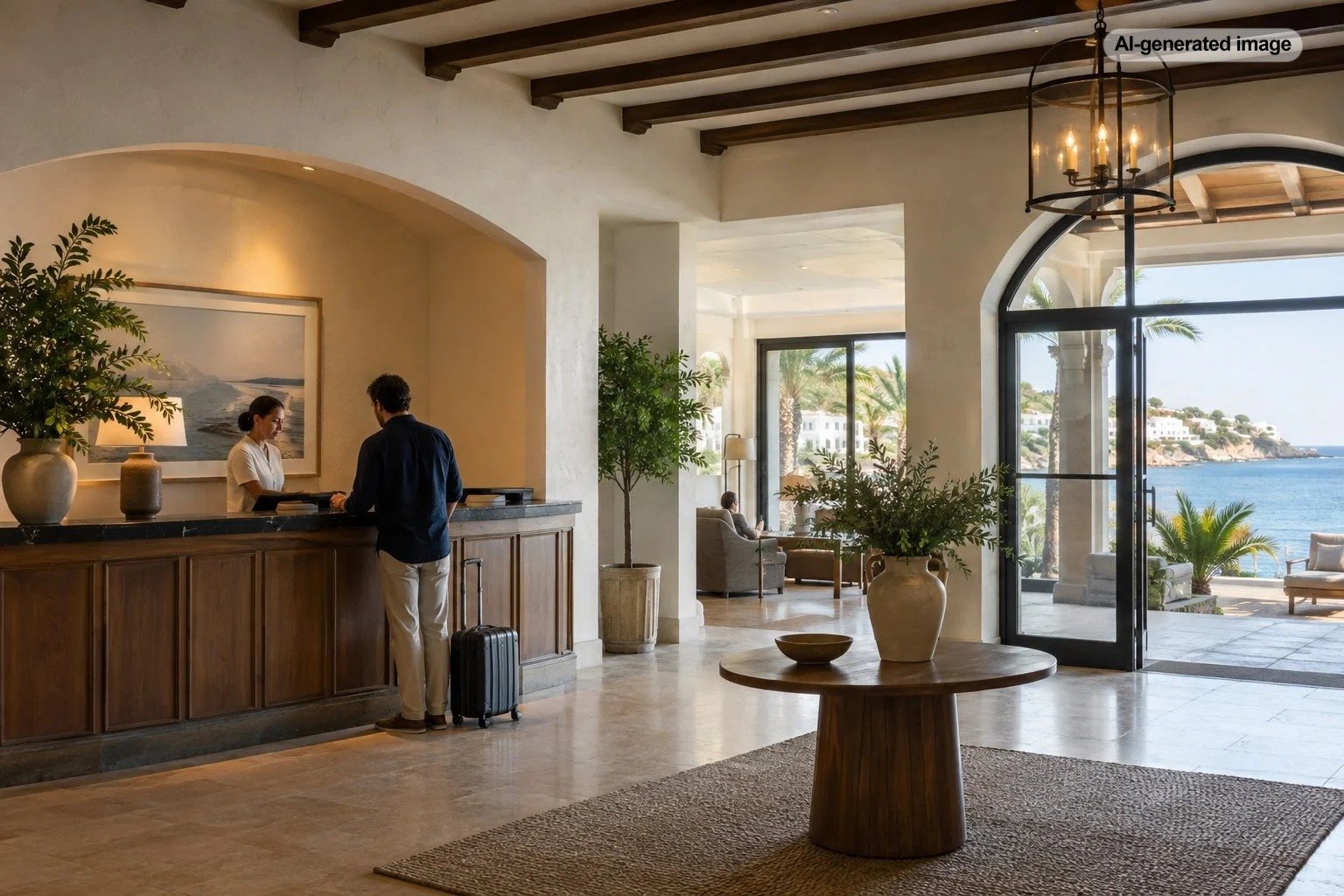
For most travelers, the front desk is the logical place to ask. By that point, hotel staff generally have a clearer picture of which rooms are available for the night and which room assignments still have flexibility.
Calling days in advance and asking for a guaranteed free upgrade is less useful because future room availability can change. You can certainly note a preference or special occasion before arrival, but it is reasonable to expect that a complimentary upgrade, if offered at all, may not be decided until closer to check-in.
Timing within the day can involve tradeoffs. Checking in very early may mean the hotel has not yet finalized all room availability. Arriving later can provide more clarity, but it can also mean desirable rooms have already been assigned. There is no universal hour that guarantees better results.
Know What You Mean by an Upgrade
A better room does not always mean a suite. Depending on the hotel, an upgrade could involve a more desirable location, additional space, a preferred view, a higher floor, or another room category. Those possibilities vary from property to property, so it helps not to arrive with an overly narrow definition.
If your priority is specific, say so. For example, a traveler who values quiet more than room size might say, If there are any complimentary upgrades available, a quieter room would be most useful to me.
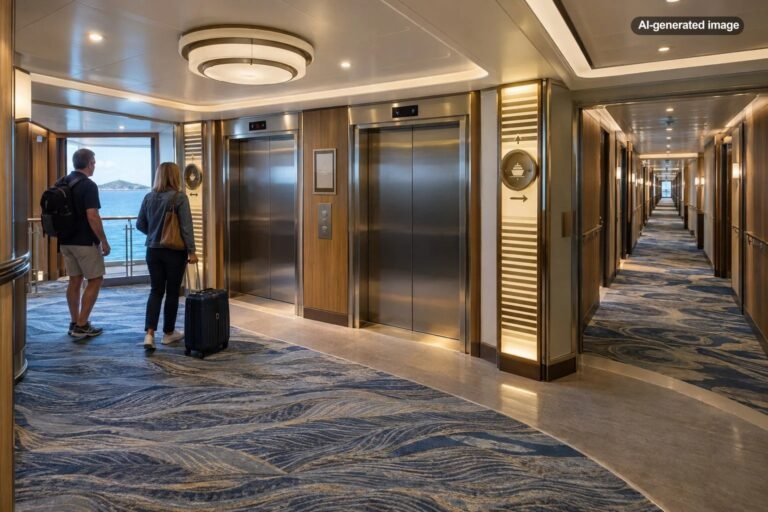
This can also prevent a technically higher-category room from being less suitable for your trip. A larger room near a busy elevator, for example, may not feel like an improvement to someone prioritizing sleep.
Mention Special Occasions Honestly and Briefly
If you are traveling for a birthday, anniversary, honeymoon, or another meaningful occasion, it is reasonable to mention it. The best approach is factual rather than theatrical.
You might say, We are here for our anniversary, so if any complimentary upgrades happen to be available, we would be very grateful.
The occasion may or may not affect what the hotel can offer. Avoid implying that a celebration automatically deserves a larger room, and never invent an occasion simply to improve your chances.
Loyalty Status Can Help, but It Is Not a Reason to Be Demanding
If you have status with the hotel’s loyalty program, the property may already have your membership information attached to the reservation. Some programs provide upgrade benefits under particular conditions, while other upgrades remain discretionary.
If you believe your reservation includes an upgrade-related benefit, ask for clarification rather than assuming the hotel has made a mistake. A simple question such as, Could you tell me whether my membership benefits include any upgrade options on this stay? keeps the conversation focused on the actual reservation terms.
If you do not have status, you can still ask whether a complimentary upgrade happens to be available. There is no need to apologize for making a polite request.
Do Not Create a Problem Just to Get a Better Room
There is an important difference between reporting a legitimate room problem and manufacturing dissatisfaction in hopes of being upgraded. If the room you receive has a real maintenance, cleanliness, noise, or reservation issue, tell the hotel clearly and give staff an opportunity to address it.
However, exaggerating a minor inconvenience or inventing a complaint can make the interaction more difficult and may result in a solution you did not actually want, such as a maintenance visit or a move to another room of the same category.
When there is a genuine problem, focus first on fixing that problem. Any room change or upgrade should be considered a possible solution, not compensation you automatically expect.
Be Flexible About the Type of Room You Will Accept
Flexibility can make a request easier to fulfill. Suppose the hotel cannot offer the suite you imagined but can move you to a somewhat larger room or a more favorable location. If that would improve your stay, it may be worth accepting.
At the same time, confirm any details that materially affect your trip before agreeing to a change. A couple may be flexible about bed configuration, while a family or business traveler may not be. Likewise, an upgraded room in another part of the property may be inconvenient if you specifically booked near traveling companions.
A useful response is, I’m flexible. What upgrade options, if any, are available? That invites the employee to explain realistic choices without forcing a particular outcome.
Understand the Difference Between Free and Paid Upgrades
Sometimes the hotel cannot provide a complimentary upgrade but can offer a higher room category for an additional charge. That is a different decision.
If the employee quotes a paid option, you can simply ask what is different about the upgraded room and decide whether those differences matter to you. You are not obligated to accept just because you initially asked about an upgrade.
If you only want a complimentary option, it is perfectly reasonable to say, Thank you. I was mainly wondering whether there were any complimentary upgrades, so I will keep my current room.
What to Do When the Answer Is No
This is the moment that determines whether the interaction feels awkward. If the employee says no upgrades are available, a simple No problem, thank you for checking is enough.
Do not repeatedly ask whether they are sure, compare yourself with other guests, or suggest that an empty-looking hotel must have vacant suites. Visible occupancy in public spaces does not tell you which rooms are available, ready, reserved, out of service, or otherwise assignable.
Accepting the answer gracefully preserves a pleasant check-in and prevents a small request from becoming the defining moment of your arrival.
What Travelers Often Overlook
An upgrade is only valuable when the upgraded room actually fits the trip. Travelers sometimes become so focused on obtaining a higher category that they overlook the features they originally selected.
- Bed type: A larger room may not have the sleeping arrangement you need.
- Location: A different floor or building could be less convenient.
- Noise: A desirable view or central location can sometimes come with more activity nearby.
- Travel companions: Moving rooms may separate reservations that were originally close together.
- Accessibility needs: Never trade away required accessibility features simply for a nominally higher room category.
Before accepting an upgrade, ask enough questions to understand what is changing. The goal is a room that works better for your stay, not merely one with a more impressive category name.
FAQ
Is it rude to ask a hotel for a free upgrade?
No. A polite request is generally just that: a request. It becomes uncomfortable when a traveler pressures staff, assumes entitlement, or refuses to accept a reasonable no.
Should I ask for an upgrade before arriving?
You can mention preferences or a genuine special occasion in advance, but complimentary upgrade availability may not be clear until closer to arrival. Asking again politely at check-in can therefore make sense.
Should I offer the front desk employee money for a free upgrade?
A complimentary upgrade should not be approached as an unofficial transaction. If a higher room category is available for purchase, hotel staff can explain the legitimate paid option.
Can I ask for a specific type of upgrade?
Yes, particularly if one feature matters more than others. You can ask whether a higher floor, quieter location, better view, or larger room is available, while recognizing that specific room characteristics vary by property.
What is the least awkward sentence to use?
Keep it simple: Would there happen to be any complimentary room upgrades available? Then let the employee answer without adding pressure. If the answer is no, thank them for checking and move on. That combination of clarity and courtesy is usually the easiest way to ask.