Why Last-Minute Cruise Deals Are Cheaper Than a Weekend Staycation
A last-minute cruise can sometimes cost less than spending the same weekend in a hotel close to home. The reason is not that cruises are inherently cheap or that hotel staycations are inherently expensive. It is that cruise lines and hotels sell very different kinds of inventory, package their costs differently, and face different demand patterns as a travel date approaches.
For travelers who can leave on short notice, accept a limited choice of cabins, and reach a departure port without an expensive flight, unsold cruise inventory can create an unusually favorable comparison. A staycation may still be the simpler or cheaper choice once transportation, gratuities, drinks, parking, and other extras are counted, so the useful comparison is the total trip cost rather than the headline fare.
Quick answer: why a cruise can win on price
- Unsold cabins lose all value after departure. A cruise line cannot sell tonight’s empty cabin next week, so some close-in sailings may be priced aggressively when space remains.
- A cruise fare bundles several vacation expenses. Accommodation, a range of meals, entertainment, and many onboard activities are typically included, depending on the cruise line and fare.
- Weekend hotel demand can remain strong. Hotels in popular leisure destinations may have little reason to discount a Friday or Saturday night when local events and weekend travelers are already supporting demand.
- Flexible travelers can shop across ships and departure dates. Someone willing to change ports, cabin categories, or sailing dates has more opportunities to find excess cruise inventory.
- The lowest cruise fare is not the final trip cost. Transportation to the port, gratuities, beverages, specialty dining, excursions, parking, and other purchases can change the comparison substantially.
The biggest difference is what happens to unsold inventory
A cruise cabin and a hotel room are both perishable inventory, but a cruise departure creates an especially firm deadline. Once the ship leaves, an empty cabin cannot generate a fare for that sailing. Cruise lines therefore have an incentive to manage remaining capacity carefully as departure approaches, although that does not mean every sailing gets cheaper at the last minute.
Current cruise-line booking pages show that close-in sailings remain a distinct part of the market, with Royal Caribbean and Carnival both maintaining ways to search departures in the near future. Actual fares remain subject to availability and can change quickly. Popular dates, desirable cabin categories, school holidays, and nearly full ships can produce the opposite result: limited inventory and higher prices.
A hotel has similar inventory pressure each night, but a staycation usually targets Friday and Saturday, precisely when many leisure hotels can experience their strongest local demand. If a concert, festival, convention, wedding, sporting event, or seasonal weekend is filling rooms, waiting until the last minute may provide little leverage.
A cruise fare combines expenses that a hotel bill does not
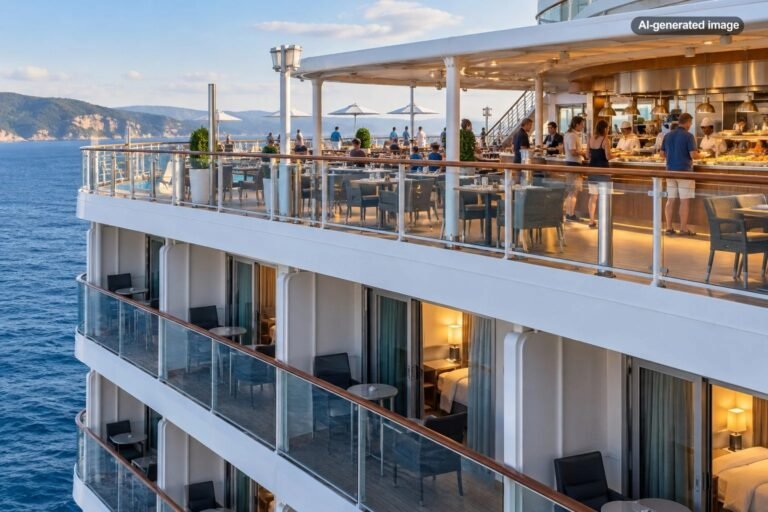
The comparison becomes more interesting when travelers stop comparing a cruise cabin with a hotel room and start comparing complete weekends. Major cruise lines describe standard fares as including onboard accommodation plus at least a selection of meals, entertainment, and activities. The exact inclusions vary by line, ship, cabin, and fare type.
A hotel staycation begins with the room, but dining and entertainment are usually separate decisions. Two restaurant dinners, breakfast, drinks, parking, an attraction, and an evening activity can turn a seemingly modest hotel weekend into a substantially larger trip budget. A cruise can concentrate several of those expenses into the initial fare.
That bundling is one of the main reasons a low close-in cruise fare can look disproportionately attractive. The traveler is not simply buying a place to sleep. The fare may also cover much of the basic food and entertainment needed for the weekend.
Where the comparison usually favors each option
| Cost factor | Last-minute cruise | Weekend staycation |
|---|---|---|
| Lodging | Included in cruise fare | Hotel room is the core purchase |
| Basic meals | Many standard dining options may be included | Usually purchased separately unless a package includes them |
| Entertainment | Many onboard options may be included | Often a separate expense |
| Transportation | Can be inexpensive for travelers who live near the port, but costly if flights are required | Often simple for a nearby hotel |
| Flexibility | Lowest fares may require accepting available ships, dates, or cabins | More control over exact neighborhood and schedule |
Living near a cruise port changes the math dramatically
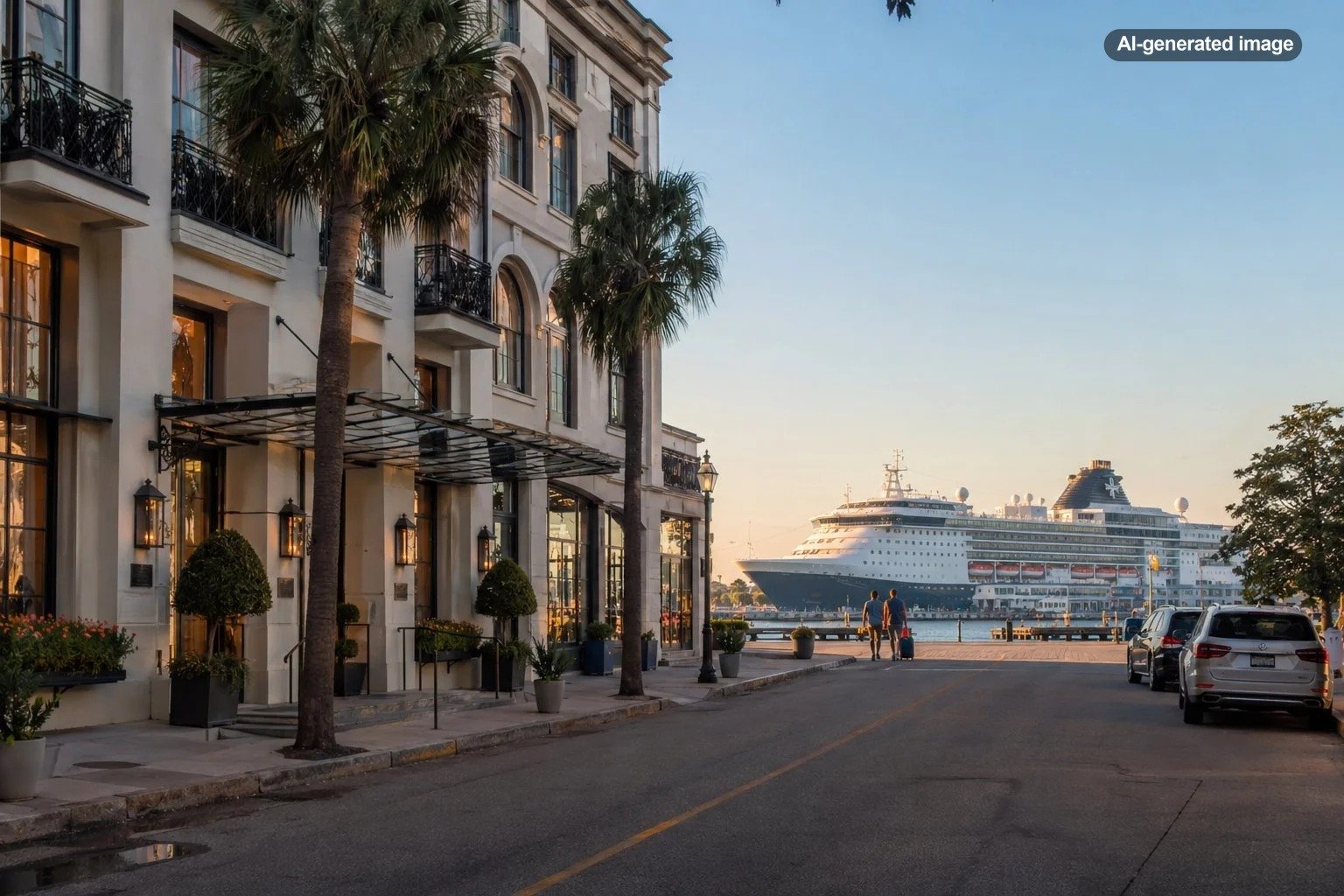
The strongest candidates for cheap last-minute cruises are travelers who can reach a port by car, commuter rail, or another predictable form of transportation. Removing airfare from the equation can eliminate one of the biggest risks of booking a cruise at short notice.
Someone who needs a last-minute flight to Miami, Fort Lauderdale, Port Canaveral, Galveston, Los Angeles, New York, or another embarkation area may discover that the transportation cost wipes out the savings. A nearby hotel can then become the better value, especially when the staycation requires little more than gas, transit fare, or a short rideshare.
This is why the headline cruise fare should be treated as the beginning of the calculation rather than the conclusion.
Flexibility is what makes last-minute cruise shopping work
Travelers searching for one exact ship, one exact weekend, one exact departure port, and one particular balcony cabin are not really shopping the last-minute market. They are shopping a highly constrained itinerary and hoping it happens to be discounted.
Better opportunities tend to appear when the traveler can compare multiple sailings. Moving departure by a day, accepting an interior cabin, considering a different ship, or choosing among several short itineraries can expose more available inventory.
Affiliate disclosure: HotelInfo.com may earn a commission when you book or purchase through links on this page. This does not affect the price you pay. Learn more.
Travelers who want to see several cruise lines and itineraries in one place can compare available sailings with Expedia Cruises. Fares, taxes, gratuities, onboard charges, itineraries, cancellation terms, and availability vary, so review the complete booking terms before paying.
When the staycation is still the smarter buy
A cruise is not automatically the budget choice. The staycation can be better for a solo traveler facing a cruise fare based on double occupancy, a family that would need multiple cabins, or anyone who must buy expensive transportation to the port.
It can also be better for travelers who place a high value on flexibility. A two-night hotel stay makes it easy to arrive after work, leave when convenient, choose restaurants independently, and change plans around weather or family obligations. A cruise operates on a fixed embarkation and departure schedule.
The hotel option also gives travelers more control over optional spending. On a cruise, beverage packages, specialty restaurants, shore excursions, internet access, spa treatments, and other extras can be tempting. Travelers who add several of them may end up with a very different total from the fare that initially caught their attention.
What travelers often overlook before booking
Compare totals for the same number of travelers. Cruise pricing is commonly displayed per person and may assume two people sharing a cabin. Hotel pricing is commonly displayed per room. Comparing those numbers without adjusting for occupancy can be misleading.
Price the trip from your front door. Add port transportation, parking, flights if needed, and any pre-cruise hotel night. For a staycation, add parking, resort or destination charges when applicable, meals, and planned entertainment.
Separate included expenses from optional ones. A cruise may include substantial dining and entertainment, but not every restaurant, beverage, excursion, service, or activity is included. Cruise-line terms should be checked for the specific sailing.
Do not assume waiting always produces a bargain. Last-minute cruise inventory exists, but desirable cabins and high-demand sailings can sell out. Travelers who need a specific configuration or date may have more reason to book earlier.
FAQ
Do cruises always get cheaper right before departure?
No. Close-in deals can appear when suitable inventory remains, but fares are affected by demand, capacity, promotions, cabin availability, and sailing date. A nearly full ship can become more expensive rather than cheaper.
Are meals included on a cruise?
Major cruise lines generally include a selection of standard dining in the cruise fare. Specialty restaurants, certain beverages, room-service items, and other options may cost extra. Check the specific cruise line’s current inclusions.
How close to departure should I search?
There is no universal sweet spot. Search across several near-term dates rather than relying on a specific number of days before departure. The useful signal is available inventory combined with a total trip cost that works for you.
Who benefits most from a last-minute cruise?
Travelers who live within practical driving or transit distance of a cruise port, have flexible dates, do not require a particular cabin, and can travel with minimal advance arrangements are often in the strongest position to take advantage of close-in inventory.
What is the fairest way to compare a cruise with a staycation?
Compare the complete cost for the same travelers and the same number of nights. Include lodging, required transportation, meals, basic entertainment, mandatory charges, gratuities where applicable, parking, and any extras you realistically expect to buy.