Small Cruise Ship vs. Mega Ship: Which Experience Is Better?
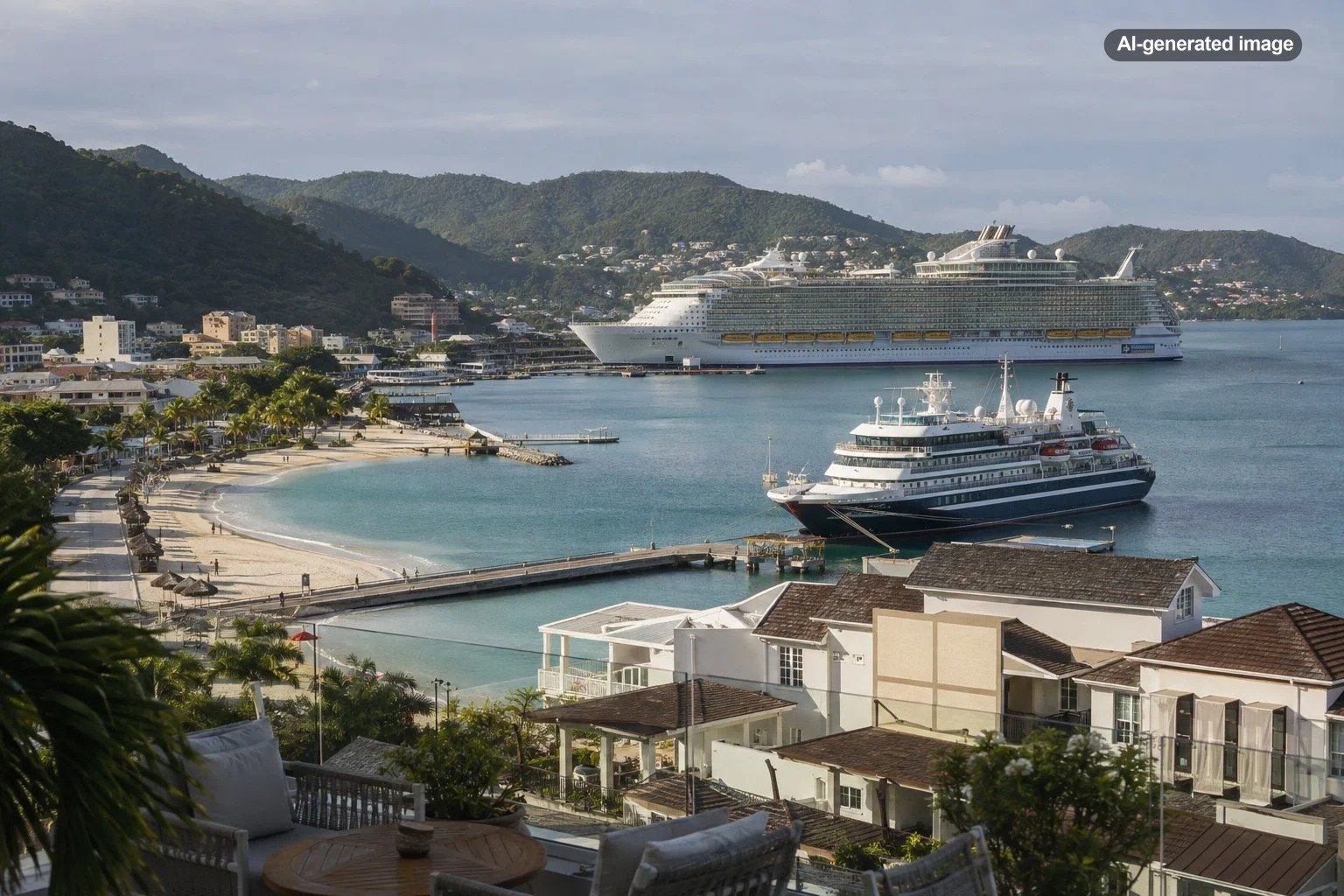
Choosing between a small cruise ship and a mega ship is less about finding the objectively better vessel and more about deciding what you want the ship itself to contribute to the trip. Small ships generally emphasize a quieter scale, destination access, simpler navigation, and a more intimate onboard atmosphere. Mega ships place far more emphasis on choice, with extensive dining, entertainment, recreation, and spaces designed for different types of travelers.
The short answer: choose a small ship if ports, atmosphere, ease of getting around, and a lower-key onboard experience matter most. Choose a mega ship if you want the vessel to function as a major part of the vacation, especially when traveling with children, groups, or people with very different interests.
Quick comparison: small cruise ship vs. mega ship
| Factor | Small ship | Mega ship |
|---|---|---|
| Onboard atmosphere | More intimate and easier to learn | Busier, broader, and more varied |
| Entertainment | Usually limited and lower-key | Major shows, attractions, and multiple venues |
| Dining choice | Fewer venues, often a simpler routine | Many restaurants, bars, and casual options |
| Port flexibility | Can be advantageous on itineraries using smaller ports | More dependent on ports that can accommodate large vessels |
| Getting around | Typically quicker and simpler | More walking and more time learning the layout |
| Best fit | Destination-focused and quieter trips | Activity-heavy vacations and mixed-interest groups |
Small ships put more emphasis on the destination
One of the strongest arguments for a small ship is that the itinerary can feel like the center of the trip rather than a schedule built around a floating resort. Smaller vessels may be able to use ports, harbors, and waterways that are impractical for very large ships. That does not mean every small-ship itinerary automatically visits obscure places, but ship size can affect where a vessel can reasonably operate.
Windstar, for example, describes its current yachts as carrying fewer than 350 guests and highlights itineraries and experiences built around smaller-ship access. Seabourn similarly notes that the smaller dimensions of its expedition ships can provide access to remote destinations and areas inaccessible to larger vessels.
This difference matters most if you choose cruises by studying the ports first. A traveler interested in smaller Mediterranean harbors, expedition regions, or less conventional itineraries may find ship size particularly important. Someone primarily interested in popular Caribbean stops may care much less.
Mega ships make the ship a destination of its own
Mega ships approach cruising from almost the opposite direction. The vessel may be one of the primary reasons to book. Large modern ships can divide their decks into distinct entertainment, dining, family, pool, nightlife, and relaxation areas, allowing passengers to create very different vacations without leaving the same vessel.
Royal Caribbean’s Icon Class illustrates this approach particularly clearly. The cruise line promotes dedicated neighborhoods, multiple pools, a large waterpark, family areas, entertainment venues, and dozens of dining and drinking choices across the class. The practical advantage is variety: a family member who wants water slides, another who prefers a quiet pool, and someone else interested in live entertainment can all have legitimate options on the same sailing.
The tradeoff is scale. More amenities usually mean more distance between them, more passengers moving through major public areas, and more decisions about where to eat or what to do. Travelers who enjoy exploring a large resort may see that as part of the fun. Those who prefer a compact environment may find it unnecessarily complicated.
Dining and entertainment create one of the clearest differences
If evening entertainment and restaurant choice are major priorities, mega ships usually have the structural advantage. A large vessel has room for multiple theaters, lounges, specialty restaurants, casual venues, bars, pools, and attractions operating at the same time. That variety is particularly useful on sea days or longer itineraries with substantial time aboard.
Small ships tend to offer a narrower set of choices, but fewer choices do not necessarily mean an inferior experience. The benefit is simplicity. You may spend less time planning reservations or moving among distant venues. Some small-ship cruise lines instead emphasize activities connected with the destination, enrichment, conversation, outdoor deck space, or a yacht-like atmosphere. Windstar, for example, currently highlights features such as an open bridge, live lounge entertainment, culinary activities, and marina-based water sports on applicable voyages.
The useful question is not simply, ‘Which ship has more?’ It is, ‘How much of what the larger ship offers will I actually use?’
Crowds are more complicated than passenger count
A small ship clearly carries fewer people than a mega ship, but passenger count alone does not tell you exactly how crowded a cruise will feel. Ship design, passenger flow, venue capacity, embarkation procedures, dining patterns, and the itinerary all influence the experience.
On a mega ship, certain spaces can be lively while other neighborhoods feel considerably calmer. On a small ship, fewer passengers can make public spaces feel more personal, but there are also fewer alternative venues if many guests want to use the same area at once. Port days introduce another distinction: getting large numbers of passengers on and off a vessel is simply a different logistical exercise from doing so with a few hundred guests.
Travelers who strongly dislike navigating large resorts, long corridors, or busy central spaces should take ship scale seriously. Travelers who enjoy energy and variety may consider the activity level a feature rather than a drawback.
Families and groups often benefit from a mega ship
Mega ships can be especially practical when several generations or travelers with different interests are cruising together. One person can spend the afternoon near a pool, children can focus on age-appropriate activities, and other adults can pursue entertainment, dining, fitness, or quieter spaces. Large ships are designed to support many simultaneous versions of a vacation.
That does not make a mega ship automatically better for every family. Parents should compare the actual facilities and programs offered on the specific vessel rather than assuming that size alone guarantees the right experience. Likewise, couples seeking quiet evenings or travelers who expect to spend most daylight hours exploring ports may decide that an extensive amusement-and-entertainment infrastructure adds little value for them.
Small ships can suit couples and destination-focused travelers
Small ships frequently make sense for travelers who prefer a more contained environment and are comfortable with fewer entertainment choices. They can be particularly appealing when the desired rhythm is breakfast, a substantial day ashore, dinner, conversation, and a relaxed evening rather than a schedule full of competing onboard attractions.
They can also appeal to travelers who dislike repeatedly consulting maps or apps simply to move around the vessel. On a compact ship, learning where things are is generally easier. The corresponding compromise is obvious: if you discover halfway through the voyage that you want more nightlife, more restaurants, or more elaborate entertainment, the ship cannot suddenly create those options.
Compare the itinerary before you compare the amenities
Ship size should rarely be the first filter unless you already have a strong preference. Start with where you want to go, how many sea days you are comfortable with, and how much time you expect to spend aboard. Then decide which ships serving those itineraries match the experience you want.
Affiliate disclosure: HotelInfo.com may earn a commission when you book or purchase through links on this page. This does not affect the price you pay. Learn more.
When you are ready to compare real itineraries and departure dates, you can search cruise itineraries with Expedia. Compare the actual ship assigned to each sailing rather than relying only on the cruise line’s overall reputation, because ships within the same fleet can offer noticeably different layouts and features.
What travelers often overlook
Sea days matter more than many first-time cruisers expect. On an itinerary with several sea days, the difference between a compact ship and an amenity-heavy mega ship becomes much more important. If nearly every day is spent in port, you may use far fewer onboard attractions.
Cabin location can matter more on a huge vessel. On a very large ship, selecting a cabin without considering where you expect to spend your time can result in substantial daily walking. Study the deck plan and think about your most-used venues before booking.
The itinerary and ship should be evaluated together. A small ship with an excellent port schedule may be a poor choice for someone who wants nonstop onboard entertainment. A spectacular mega ship may likewise be unnecessary for a traveler whose priority is spending long days ashore.
So, which cruise experience is better?
For destination-focused travelers, couples who prefer a quieter rhythm, and people who value a compact environment, a small cruise ship is often the stronger fit. For families, multigenerational groups, entertainment-focused travelers, and anyone who wants extensive dining and recreation without leaving the ship, a mega ship is often more compelling.
Neither format wins every category. The better cruise is the one whose compromises match your priorities. Decide how much you care about ports, onboard entertainment, restaurant variety, walking distances, crowds, and sea-day activities. Once those priorities are clear, the choice between small ship and mega ship becomes considerably easier.
Frequently asked questions
Are small cruise ships always more expensive?
No. Ship size alone does not determine the total cost of a sailing. Cruise line positioning, cabin category, itinerary, inclusions, season, taxes, gratuities, and onboard spending can all affect the final cost. Compare what is included rather than relying on the headline fare alone.
Are mega ships better for first-time cruisers?
Not necessarily. A mega ship may appeal to first-time cruisers who want abundant entertainment and dining choices, while a smaller ship may be easier for someone who prefers simplicity and destination-focused travel. The better first cruise depends on the traveler’s normal vacation style.
Do small ships visit better ports?
‘Better’ is subjective. Smaller ships can have access advantages in some destinations, while mega ships serve many highly desirable ports. Compare the actual itinerary rather than assuming one ship category automatically provides superior destinations.
Which is better for sea days?
Travelers who want a long menu of activities generally gain more from a mega ship on sea days. Travelers who prefer reading, deck time, conversation, enrichment, or a slower pace may be perfectly happy on a small ship.