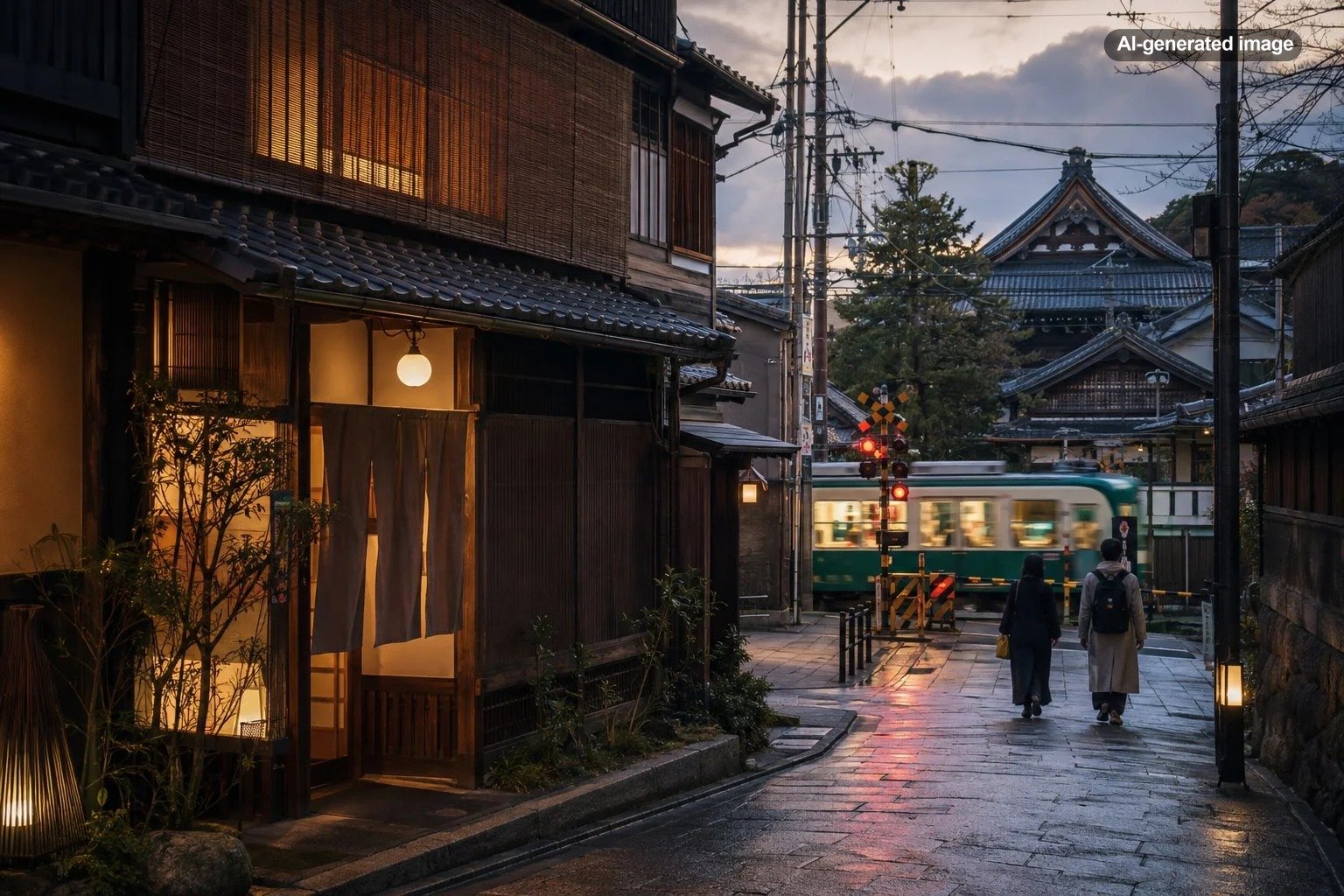
Where to Stay in Kyoto for Temples, Trains, and Traditional Atmosphere
Choosing where to stay in Kyoto is less about finding one universally convenient center and more about deciding which version of the city you want outside your door. Kyoto Station is the practical choice for rail connections and day trips. Gion and Higashiyama place you near historic streets and major temples. Downtown Kyoto is stronger for restaurants, shopping, and flexible transit, while Arashiyama offers a quieter setting that feels removed from the urban core.
For a first visit that balances temples, trains, and traditional atmosphere, consider dividing your priorities rather than trying to maximize all three. Hotel Granvia Kyoto and THE THOUSAND KYOTO make transportation simple. Park Hyatt Kyoto, SOWAKA, and The Shinmonzen provide a stronger sense of historic Kyoto. Ace Hotel Kyoto, Cross Hotel Kyoto, and GOOD NATURE HOTEL KYOTO offer a practical middle ground in the central districts.
Planning snapshot
- Best for rail convenience: Kyoto Station and its immediate surroundings
- Best for temples and historic streets: Gion and Higashiyama
- Best for dining and an adaptable itinerary: Kawaramachi, Sanjo, and central Kyoto
- Best for a quieter destination stay: Arashiyama
- Best for combining several regions: A central hotel near a subway or rail station
Kyoto hotel comparison
| Hotel | Area | Best fit | Main tradeoff |
|---|---|---|---|
| Hotel Granvia Kyoto | Kyoto Station | Rail-heavy itineraries | Less historic atmosphere outside the hotel |
| THE THOUSAND KYOTO | Kyoto Station | Upscale calm with train access | Requires transit for many eastern temples |
| Park Hyatt Kyoto | Higashiyama | High-luxury temple-focused stays | Premium positioning and hilly surroundings |
| SOWAKA | Gion and Yasaka | Modern ryokan atmosphere | Small-property experience may not suit every traveler |
| The Shinmonzen | Gion Shirakawa | Private boutique luxury | Very limited number of suites |
| Ace Hotel Kyoto | Central Kyoto | Design, dining, and subway access | Contemporary rather than traditionally immersive |
| HOTEL THE MITSUI KYOTO | Nijo Castle | Quiet high-luxury stays | Not directly beside the eastern temple corridor |
| Cross Hotel Kyoto | Kawaramachi and Sanjo | Flexible sightseeing and nightlife | Busy surroundings |
| GOOD NATURE HOTEL KYOTO | Shijo Kawaramachi | Shopping, dining, and central access | Urban setting has less old-Kyoto quiet |
| HOSHINOYA Kyoto | Arashiyama | A secluded riverside retreat | Less convenient for daily cross-city sightseeing |
Hotel Granvia Kyoto for the easiest train-based itinerary
Hotel Granvia Kyoto is directly connected to JR Kyoto Station, making it the clearest choice for travelers arriving by Shinkansen, taking regional day trips, or leaving Kyoto early in the morning. This location reduces luggage transfers and provides straightforward access to rail lines serving destinations such as Osaka, Nara, and areas south of central Kyoto.
The hotel occupies a large transportation complex rather than a preserved historic neighborhood. Travelers who want lantern-lit lanes and temple walls immediately outside may find the setting less atmospheric. It is best for efficient itineraries, families managing luggage, and visitors who value predictable transportation more than neighborhood character.
THE THOUSAND KYOTO for refined calm near Kyoto Station
THE THOUSAND KYOTO is positioned a short walk from Kyoto Station and offers an upscale alternative to staying inside the station complex. Its restrained contemporary design creates a calmer transition from the busy rail hub, making it suitable for couples, business travelers, and first-time visitors who want convenience without feeling surrounded by terminal activity.
The location remains transportation-led. Many of Kyoto’s most recognizable temple districts are elsewhere, so sightseeing days will still involve trains, subways, buses, or taxis. Choose it when arrival logistics and polished surroundings matter more than being able to begin every morning on a historic lane.
Park Hyatt Kyoto for temples and high-luxury atmosphere
Park Hyatt Kyoto sits in Higashiyama, an area associated with sloping streets, traditional architecture, and convenient access to several major cultural sights. It is a strong option for travelers who want the setting of eastern Kyoto to shape the entire stay rather than appear only during daytime excursions.
The property’s high-luxury positioning makes it most appropriate for travelers prepared to prioritize location, design, service, and privacy. Higashiyama also includes hills, stone paths, and crowded sightseeing corridors. Visitors with limited mobility or a train-intensive schedule may prefer a flatter, more transit-oriented district.
SOWAKA for a modern ryokan-style stay near Yasaka Shrine
SOWAKA occupies a restored historic building near Yasaka Shrine and combines traditional architectural elements with the comforts of a contemporary small hotel. Its Gion-area setting suits travelers seeking a more intimate sense of place, particularly those who enjoy walking early in the morning or after the busiest sightseeing period has passed.
This is not the same experience as choosing a large international hotel with extensive shared facilities. Room layouts and architectural details can vary because of the property’s historic character. SOWAKA is best for couples, design-conscious travelers, and visitors who value atmosphere over standardized layouts.
The Shinmonzen for an intimate Gion boutique experience
The Shinmonzen stands beside the Shirakawa River in Gion and contains only a small collection of suites. Its design interprets ryokan traditions for a modern luxury stay, with an emphasis on architecture, art, natural materials, and privacy.
The limited scale is central to its appeal, but it also means travelers should not expect the anonymity or broad facilities of a large hotel. Availability may be constrained during popular travel periods. It is best for couples and repeat Kyoto visitors who want to spend meaningful time in the hotel and neighborhood rather than using the room only as a base.
Ace Hotel Kyoto for design and central subway access
Ace Hotel Kyoto occupies part of the ShinPuhKan complex in central Kyoto and provides a contemporary, design-led base near Karasuma Oike. The location offers useful subway access and places guests between Kyoto Station, the Imperial Palace area, downtown shopping streets, and the western side of the city.
The experience is intentionally modern and social, so it will not feel like a secluded ryokan or a hushed temple retreat. It works well for creative travelers, younger couples, solo visitors, and anyone who wants restaurants and city life integrated into the hotel experience.
HOTEL THE MITSUI KYOTO for quiet luxury beside Nijo Castle
HOTEL THE MITSUI KYOTO is located beside Nijo Castle on a site tied to the historic Mitsui family. The setting offers a quieter alternative to Gion while retaining a strong relationship with Kyoto’s architectural and cultural identity.
This location is useful for travelers interested in Nijo Castle, central Kyoto, and a more residential pace. It is not the most direct base for walking through the Higashiyama temple corridor, and its high-luxury market position will not suit a value-focused trip. Choose it for a restorative stay in which the property itself is an important part of the itinerary.
Cross Hotel Kyoto for flexible sightseeing and evening dining
Cross Hotel Kyoto is in the Kawaramachi and Sanjo area, placing guests near central shopping streets, restaurants, the Kamo River, and rail connections serving both sides of the river. This is one of the most adaptable locations for travelers who want to alternate between temples, markets, shopping, and evenings out.
The tradeoff is activity. Central Kyoto remains lively, and the surrounding streets do not provide the same sense of retreat as Arashiyama or a smaller Gion property. It is a practical moderate-to-upscale choice for first-time visitors who do not want their plans tied to a single sightseeing district.
GOOD NATURE HOTEL KYOTO for shopping and central convenience
GOOD NATURE HOTEL KYOTO is located near Shijo Kawaramachi, between the commercial center and the river crossings toward Gion. Its setting is especially useful for visitors who want department stores, food shopping, restaurants, and evening activity close at hand while remaining within reach of historic eastern Kyoto.
The neighborhood is urban and busy, so travelers seeking silence and preserved streets immediately outside should look farther east or west. It is best for shoppers, food-focused travelers, friends traveling together, and visitors who prefer a central base with many nearby services.
HOSHINOYA Kyoto for a destination stay in Arashiyama
HOSHINOYA Kyoto is a luxury ryokan-style retreat on the river in Arashiyama, reached from the Togetsukyo Bridge area by the property’s private boat. It is the most secluded recommendation in this guide and is suited to travelers who want nature, river views, and a deliberate break from the pace of central Kyoto.
That seclusion creates a meaningful logistical tradeoff. Arashiyama is not the most efficient base for visiting eastern temples, Kyoto Station, and downtown on consecutive days. HOSHINOYA Kyoto works best as a destination in itself, as part of a split stay, or for repeat visitors who are comfortable seeing fewer places at a slower pace.
How to choose the right Kyoto area
Choose Kyoto Station when trains govern the trip
Stay near Kyoto Station when you have heavy luggage, multiple day trips, a late arrival, or an early departure. The district provides the cleanest connection to intercity rail, but you will commute to many temple areas.
Choose Gion or Higashiyama for atmosphere
These eastern districts are strongest for travelers who want historic streets and major cultural sights within walking distance. Expect narrower roads, heavier daytime visitor traffic, and fewer direct connections to some western attractions.
Choose central Kyoto for balance
Karasuma Oike, Sanjo, Kawaramachi, and Shijo provide a practical compromise. They offer dining, shopping, and several transportation options without placing the entire trip inside the station district.
Choose Arashiyama for retreat rather than coverage
Arashiyama is appealing for scenery and a slower rhythm, but it is less efficient for a checklist-style first visit. A split stay can provide both convenience and a quieter finish.
What travelers often overlook
- Walking conditions matter: Higashiyama includes inclines, steps, and uneven surfaces that can affect travelers with mobility limitations.
- Rail access is not the same as subway access: A hotel near one useful line may still require transfers for another part of the city.
- Early mornings change the experience: Staying near a major temple district can make it easier to explore before day visitors arrive.
- A split stay is not always worth the disruption: Moving hotels consumes time and is most useful when the second property provides a distinctly different experience.
- Traditional design can affect room layouts: Historic buildings may have stairs, compact spaces, or individually configured rooms. Confirm accessibility and bedding details directly with the hotel.
Frequently asked questions
Is Kyoto Station a good place to stay for a first visit?
Yes, particularly for travelers using the Shinkansen, planning day trips, or carrying significant luggage. It is less atmospheric than Gion or Higashiyama, but its transportation advantages are substantial.
Is Gion convenient for Kyoto sightseeing?
Gion is convenient for eastern Kyoto, including several temples, shrines, historic streets, and riverfront areas. Reaching Kyoto Station, Arashiyama, and northern sights may require additional transit.
Should I stay in a ryokan or a hotel?
Choose a ryokan-style property when traditional design, personalized hospitality, and time spent at the accommodation are priorities. Choose a conventional hotel when you prefer standardized rooms, broader facilities, and a flexible sightseeing schedule.
Is it better to stay in one Kyoto hotel or split the trip?
One central hotel is usually simpler for a short visit. A split stay becomes more compelling on a longer trip when one portion is dedicated to efficient sightseeing and another to a destination property in Gion, Higashiyama, or Arashiyama.
Do travelers need a rental car in Kyoto?
Most visitors can rely on trains, subways, buses, taxis, and walking. A car can add parking and navigation complications in dense historic areas, so it is usually more relevant for travel beyond the city than for a standard Kyoto itinerary.
Sources & further reading
- Hotel Granvia Kyoto official website
- THE THOUSAND KYOTO official website
- Park Hyatt Kyoto official website
- SOWAKA official website
- The Shinmonzen official website
- Ace Hotel Kyoto official website
- HOTEL THE MITSUI KYOTO official website
- Cross Hotel Kyoto official website
- GOOD NATURE HOTEL KYOTO official website
- HOSHINOYA Kyoto official website
- Kyoto City Official Travel Guide
- Kyoto City Bus and Subway route map