Rooftop Pool Hotel vs. Beachfront Hotel: Which Is Better?
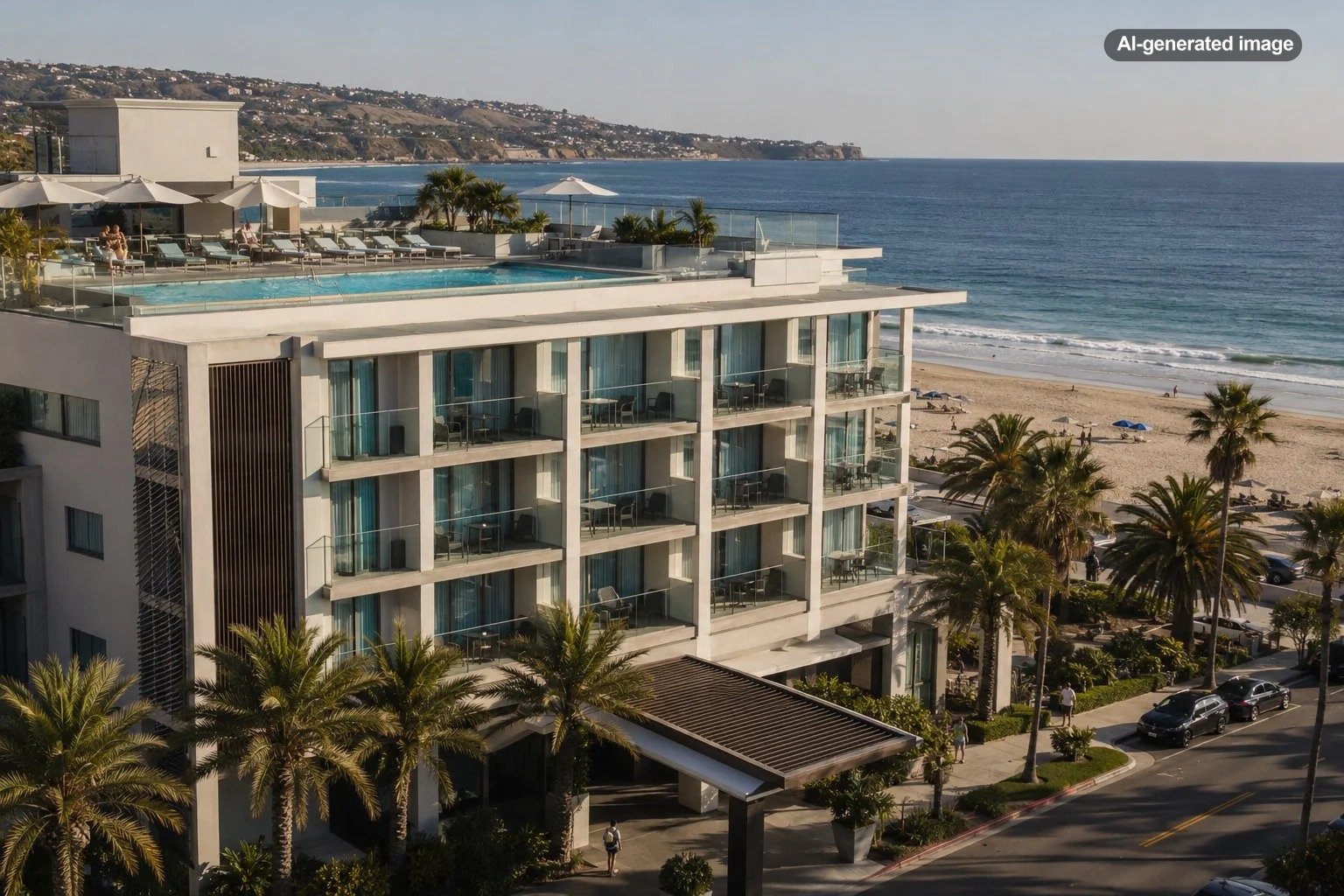
A rooftop pool hotel is usually the better choice for a city-focused trip built around dining, sightseeing, nightlife, and skyline views. A beachfront hotel is generally better when the beach itself is a central part of the vacation and you want to move easily between your room, the sand, and the water.
Neither option is automatically more luxurious, relaxing, or convenient. The right choice depends on how you expect to spend your days, whether you prefer a controlled pool environment or a natural shoreline, and which practical inconveniences you are more willing to accept.
Quick answer
- Choose a rooftop pool hotel for short city breaks, skyline views, evening atmosphere, and easy access to urban attractions.
- Choose a beachfront hotel for swimming, long beach days, sunrise or sunset walks, and vacations centered on the coast.
- Families may prefer beachfront convenience when children will spend much of the day in the sand, although pool supervision and room access still matter.
- Couples may prefer either option: rooftop pools can feel social and polished, while beachfront stays may offer a slower, more scenic rhythm.
- Verify the details before booking. A rooftop pool may be small or seasonally closed, while a hotel described as beachfront may still have indirect or restricted beach access.
Rooftop pool hotels and beachfront hotels serve different kinds of trips
The most useful question is not which feature sounds more impressive. It is which setting supports the trip you are actually planning.
A rooftop pool is often one amenity within a broader urban stay. Guests may use it for an afternoon break, a quick swim, or drinks after sightseeing. The hotel itself may be surrounded by restaurants, cultural attractions, business districts, and nightlife.
A beachfront hotel makes the shoreline part of the daily routine. Guests can often return to the room between swims, change clothes without a long journey, and spend several hours near the water without organizing separate transportation. That convenience matters most when beach time is a priority rather than an occasional activity.
Atmosphere: skyline energy or coastal space
Rooftop pools tend to feel contained and designed. The view may include towers, landmarks, sunsets, or city lights. Music, food service, lounge seating, and an adult-oriented social atmosphere are common possibilities, although every property operates differently.
Beachfront settings usually feel more open and less controlled. The experience changes with the tide, wind, temperature, waves, and local beach conditions. Some travelers find that natural variation appealing. Others prefer the predictable water, seating, and services of a hotel pool.
A rooftop pool may be more memorable for an evening swim or a brief retreat above a busy city. A beachfront hotel may be more satisfying for travelers who want to hear the surf, walk along the shore, or spend unstructured time outdoors.
Water access: convenience is more complicated than it appears
A rooftop pool is usually easy to reach from a guest room, but capacity can be limited. A photogenic pool may be relatively shallow, narrow, or designed more for lounging than sustained swimming. Seating can fill quickly, especially during warm afternoons.
Beachfront access can also vary. Some hotels open directly onto the sand, while others are separated from the beach by a promenade, road, seawall, neighboring property, or designated access path. The beach may be public even when the hotel sits beside it, and chairs, umbrellas, towels, or water activities may involve separate rules or charges.
Before booking, examine the property’s official description and recent guest information. Confirm whether the rooftop pool is open during your dates, whether access is restricted to registered guests, and whether the beach can be reached without transportation.
Weather affects both choices differently
Outdoor rooftop pools are exposed to wind, rain, strong sun, and seasonal temperature changes. Tall buildings can create shade at certain hours, while exposed decks may become uncomfortable during especially hot or windy conditions. Pools may also close temporarily because of weather, maintenance, private events, or operating schedules.
Beachfront hotels face similar exposure, but the beach experience depends on additional variables such as waves, currents, tides, seaweed, sand temperature, and local warnings. A calm-looking shoreline should never replace attention to posted guidance or instructions from local authorities and lifeguards.
Travelers who want reliable daily swimming should determine whether the hotel has an indoor or secondary pool. Travelers choosing a beachfront property should consider what they would do during poor beach conditions. A hotel with comfortable indoor spaces, covered terraces, or nearby activities may provide a more flexible stay.
Privacy and noise can differ by hour
Rooftop pools can become social gathering places. Music, bar service, day passes, or evening events may create a lively atmosphere. This can be a strength for travelers who enjoy an energetic setting, but it may frustrate guests seeking quiet reading, lap swimming, or uncrowded relaxation.
Beachfront hotels may provide more physical space, yet they are not necessarily quieter. Public beaches, water sports, vendors, nearby entertainment, outdoor restaurants, and early maintenance activity can all influence the environment. Ocean sounds may mask some noise, but rooms near pools, bars, elevators, or event lawns can still be busy.
Review the location of the room as carefully as the hotel’s headline amenity. A room facing a rooftop venue may experience evening sound. A low-floor beachfront room may offer convenient access but less privacy than a higher room set farther back.
Which option works better for families?
A beachfront hotel can simplify a family beach vacation because parents can return to the room for forgotten items, clothing changes, naps, or breaks from the sun. Children can alternate between the beach and hotel facilities without turning each outing into a major excursion.
However, proximity does not eliminate logistical concerns. Sand, wet clothing, sun exposure, waves, and the need to carry equipment can make beach days demanding. Parents should also verify whether the hotel provides a child-friendly pool, shaded areas, direct access, and practical routes for strollers.
Rooftop pools may work well for families on city trips when swimming is a secondary activity. The main limitations may be pool depth, limited deck space, adult-oriented programming, glass barriers, crowded seating, or age restrictions. Families should check the property’s pool policies rather than assuming all hotel pools welcome children throughout the day.
Which option works better for couples?
Couples planning a dining, arts, or nightlife trip may appreciate a rooftop pool that provides a scenic pause without taking them away from the city. It can be particularly convenient on a short stay when dedicating an entire day to the beach would reduce time for other activities.
A beachfront hotel may be a stronger fit for couples seeking a slower schedule. Easy access to walks, swimming, and time near the water can reduce the need for detailed daily plans. The tradeoff is that coastal resorts may feel more self-contained or may be farther from urban restaurants and attractions.
The better choice depends on the desired rhythm: a rooftop pool complements an active itinerary, while a beachfront location can become the itinerary.
How costs may differ
Both features can command a premium, but the room rate is only one part of the comparison. A beachfront stay may reduce spending on transportation to the coast, yet the property may have separate charges for parking, resort services, beach equipment, or organized activities. These details vary and should be verified directly before booking.
A centrally located rooftop pool hotel may reduce transportation needs for sightseeing and dining. However, food and drinks on the pool deck may cost more than options outside the hotel, and some rooftop spaces prioritize revenue-generating seating or events over unrestricted guest use.
Compare the total trip pattern rather than one nightly rate. Consider where you will eat, how often you will leave the property, whether you need a car, and whether the featured amenity is included in your reservation. For travelers comparing hotels with vacation rentals, it may also be useful to browse Homes & Villas by Marriott Bonvoy, keeping in mind that rates, fees, amenities, property standards, and cancellation terms vary.
Rooftop pool hotel vs. beachfront hotel comparison
| Consideration | Rooftop pool hotel | Beachfront hotel |
|---|---|---|
| Best trip style | City breaks and mixed itineraries | Beach-centered vacations |
| Typical appeal | Views, design, social atmosphere | Sand, water, walks, open space |
| Main limitation | Capacity, hours, events, seasonality | Weather, waves, sand, variable conditions |
| Convenience advantage | Easy break during an urban itinerary | Easy return to the room during beach days |
| Strongest fit | Travelers prioritizing the city | Travelers prioritizing the coast |
What travelers often overlook
- Operating hours: A rooftop pool may close earlier than expected or become an evening venue.
- Guest access: Some pool decks admit outside visitors, while others restrict entry to hotel guests.
- Pool purpose: A pool designed for photographs and lounging may not suit exercise or children’s play.
- True beach access: Beachfront does not always mean stepping directly from the property onto usable sand.
- Room orientation: A beachfront hotel does not guarantee an ocean-facing room, and a rooftop pool hotel does not guarantee a skyline view from the room.
- Alternative plans: Rain, wind, maintenance, or temporary closures can reduce access to either feature.
How to make the final choice
Choose the rooftop pool hotel when most of your planned activities are in the city and you view the pool as an attractive place to recharge between them. It is especially suitable for short trips, business travel with free time, nightlife-focused weekends, and stays where location matters more than extended swimming.
Choose the beachfront hotel when you expect to spend several hours a day near the shore. It is usually the more practical option for swimming-focused vacations, relaxed coastal stays, and families or couples who want beach access without repeated transportation.
When both sound appealing, rank your priorities before comparing properties. Decide whether direct beach access, a controlled swimming environment, proximity to city attractions, quiet, family usability, or evening atmosphere matters most. Then verify that the hotel’s actual policies and layout support that priority.
Frequently asked questions
Is a beachfront hotel always more expensive than a rooftop pool hotel?
No. Pricing depends on the destination, season, room category, property position, demand, and included services. Either feature can carry a premium.
Does beachfront mean the hotel has a private beach?
No. A beachfront hotel may border a public beach. Access rules, services, and permitted activities depend on the property and local regulations.
Are rooftop pools open year-round?
Not necessarily. Outdoor pools may operate seasonally or close because of weather, maintenance, events, or local conditions. Confirm the schedule for your travel dates.
Which is better for a three-night city trip?
A rooftop pool hotel is often more practical when sightseeing, restaurants, and city attractions are the main priorities. A beachfront hotel may still be preferable when the coast is the principal reason for visiting.
Which option is more relaxing?
That depends on the traveler. A rooftop pool offers a controlled environment with convenient service, while a beachfront stay offers natural scenery and more space. Noise, crowds, weather, and property design can affect both experiences.