Which Cruise Ship Deck Is Best for Avoiding Noise?
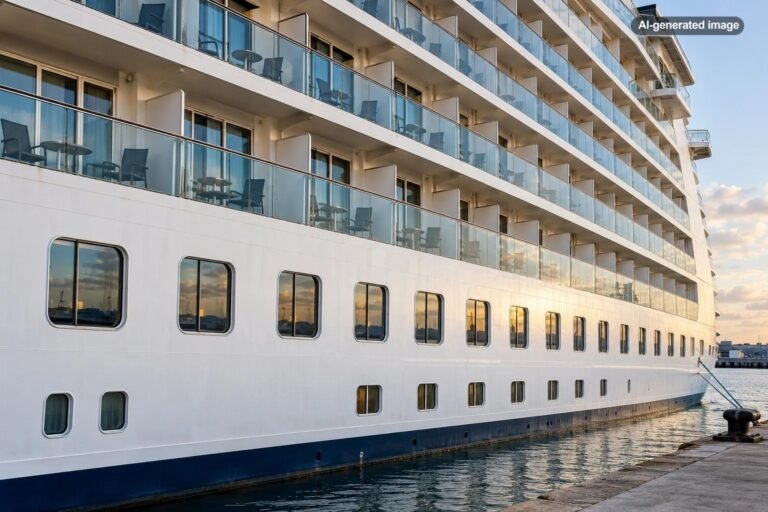
The best cruise ship deck for avoiding noise is usually a middle deck with passenger cabins directly above and below it. An interior section of that deck, away from elevators, stairways, service areas, and major entertainment venues, generally offers the most reliable protection from both late-night activity and early-morning operations.
There is no universally quiet deck number because every ship has a different layout. Deck 8 might be an excellent choice on one vessel and sit beneath a busy pool area on another. The decisive factor is not the number printed on the deck plan, but what surrounds the cabin vertically and horizontally.
Quick answer: the quietest cabin pattern
- Choose a middle passenger deck: Look for a deck positioned between two decks composed mainly of staterooms.
- Favor midship or a slightly forward or aft interior section: Avoid the extreme ends of the vessel when mechanical sounds are a concern.
- Check above and below: A cabin that appears quiet on its own deck may be beneath a pool, buffet, gym, theater, or galley.
- Leave space between the cabin and traffic hubs: Several cabins between your room and the nearest elevator lobby can make a meaningful difference.
- Inspect unmarked areas: Blank spaces may contain crew corridors, storage rooms, equipment, or service elevators rather than unused space.
Why a middle deck between cabin decks is usually best
Passenger stateroom decks tend to generate more predictable and limited noise than public decks. Although neighboring guests can still talk in hallways or close doors, these sounds are usually intermittent. Public venues may operate for hours, while crew members may reset furniture, clean floors, move carts, or prepare food when most passengers are sleeping.
A cabin sandwiched between stateroom decks creates a buffer against those operational sounds. For the strongest odds of a quiet stay, find a run of cabins with other rooms on both sides and matching rows of rooms above and below. This arrangement is especially useful for light sleepers, travelers with early shore excursions, families maintaining children’s bedtimes, and anyone booking a longer itinerary where repeated sleep disruption would become tiring.
Affiliate disclosure: HotelInfo.com may earn a commission when you book or purchase through links on this page. This does not affect the price you pay. Learn more.
If you are still comparing ships or sailing dates, you can explore cruise options and then examine the official deck plan for each specific vessel before selecting a cabin. Ship design matters enough that the quietest location should be reassessed for every booking.
How lower, middle, and upper decks compare
| Deck area | Potential advantage | Noise tradeoff |
|---|---|---|
| Lower decks | Often farther from pools and upper-deck nightlife | Some cabins may be closer to engines, thrusters, tender operations, or gangways |
| Middle decks | Often provide the best balance of quiet, access, and reduced motion | Results depend on whether public venues interrupt the passenger decks |
| Upper decks | Convenient for pools, outdoor areas, and casual dining | May receive noise from deck chairs, music, jogging areas, machinery, and early setup work |
Lower does not automatically mean quieter. Cabins near the bow may hear anchoring or thruster operations during early arrivals, while rooms low and aft can be more exposed to engine vibration or mechanical hum. These sounds may be brief or more noticeable during docking, but their timing can matter to a sensitive sleeper.
Upper decks can be appealing for their views and convenient access to outdoor spaces. The tradeoff is that a cabin directly beneath a pool or recreation deck may hear footsteps, furniture movement, music, or cleaning. Even a venue that closes early can generate noise while staff prepare it for the next day.
Read three deck plans, not just one
When evaluating a cabin, open the plan for its deck along with the decks immediately above and below. Align the stairwells, elevators, and ship outline so you can determine what occupies the same vertical position. Deck plans may use different scales, so a venue that appears slightly offset could still overlap the cabin.
Look beyond obvious labels. A restaurant dining room may be relatively calm, while the galley behind it can involve carts, dishwashing, preparation, and crew movement. A lounge may seem harmless during the day but host amplified entertainment at night. Open deck space may become a setup zone before breakfast.
Blank or gray blocks deserve attention as well. They can represent crew-only workspaces, housekeeping closets, technical areas, or vertical service routes. A small gap beside a cabin can also contain an ice machine or storage room. When the purpose of a space is unclear, ask the cruise line or a knowledgeable booking representative what occupies it, while recognizing that detailed operational information may not always be available.
Locations that commonly create cabin noise
Pools, sports areas, and sun decks
These locations can produce music, footsteps, running, and furniture movement. Noise is not confined to operating hours because cleaning and setup may happen earlier or later. Cabins one deck below an apparently open section should be examined carefully.
Theaters, clubs, bars, and casinos
Amplified bass can travel through the ship’s structure and may be more noticeable than ordinary conversation. A cabin above, below, or adjacent to a performance venue is a higher-risk choice for travelers who retire early. Corridors connecting these venues to elevators can also become lively after a show ends.
Buffets, restaurants, and galleys
Dining-room conversation is only part of the equation. Chairs, supply carts, dish handling, and food preparation may create sound outside passenger dining hours. A galley or service corridor can therefore be more disruptive than the public seating area.
Elevators and stairways
The elevator mechanism itself is not always the main issue. Groups gather in elevator lobbies, children press buttons, and passengers return from entertainment together. A cabin close enough for convenient access but separated by several rooms often provides a better compromise.
Connecting cabins and family clusters
A connecting door can allow more sound to pass between rooms than a solid dividing wall. This arrangement is useful when traveling with relatives or friends, but a non-connecting cabin may suit a noise-sensitive traveler better. Areas near children’s facilities can also experience concentrated family traffic at opening and closing times.
Midship is helpful, but it does not guarantee quiet
Midship cabins are often recommended because they may experience less perceived motion than cabins at the far bow or stern, particularly on lower or middle decks. Motion and noise, however, are separate considerations. A midship cabin beside a busy atrium or below a pool can be noisier than a slightly forward cabin surrounded by staterooms.
Travelers prone to seasickness may reasonably prioritize a lower, central location even if it requires accepting some hallway traffic. A traveler who sleeps deeply but values fast access to dining may prefer an upper deck. Someone who is highly sensitive to bass or furniture movement should give greater weight to the decks above and below than to walking distance.
Choose according to your sleep schedule
Early sleepers should place the greatest distance possible between their cabin and theaters, clubs, atriums, and late-night bars. They should also avoid corridors used as main routes from those venues.
Late sleepers may be less troubled by evening entertainment but more affected by morning deck-chair setup, breakfast service, family activity, or port operations. A cabin beneath an outdoor deck or buffet can be a poor match even if nighttime reviews sound reassuring.
Families may value proximity to children’s spaces and elevators enough to accept additional activity. Moving just a short distance down the same corridor can preserve much of that convenience while reducing lobby noise.
Travelers with limited mobility should not create an impractical daily route solely in pursuit of silence. A cabin near an elevator bank may be the better overall choice. Selecting a room around the corner from the lobby, rather than directly facing it, can provide a useful balance.
What travelers often overlook
- Doors and crew access: Cabins near corridor doors may hear repeated opening, closing, or cart movement.
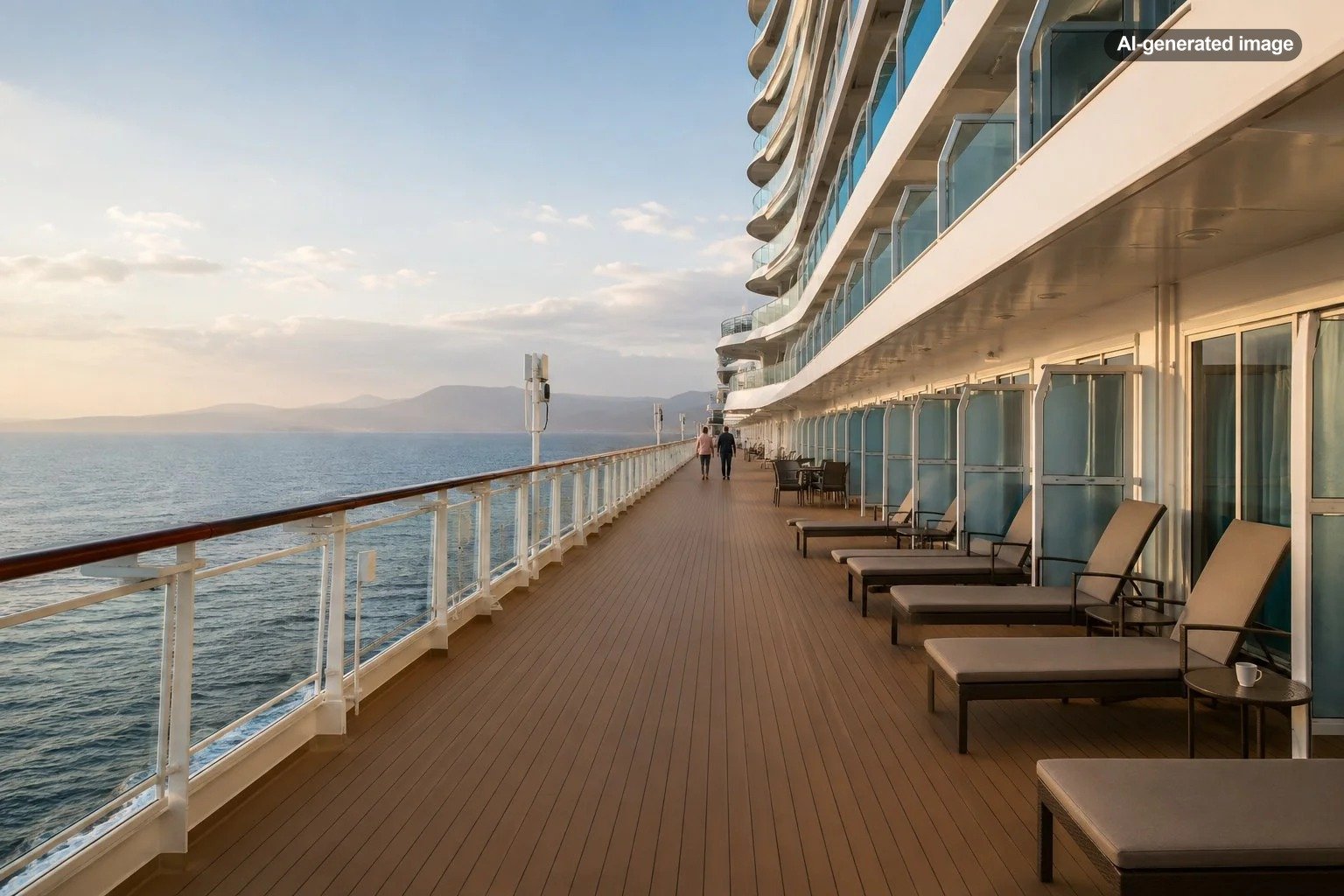
- Promenade-facing rooms: Interior-facing windows or balconies can overlook active public spaces where events and music are scheduled.
- Structural vibration: A low mechanical hum can matter as much as voices, especially in cabins near propulsion or ventilation equipment.
- Port mornings: Anchoring, thrusters, gangways, and announcements can make a normally quiet location temporarily active.
- Guarantee categories: A fare that allows the cruise line to assign the cabin may offer less control over noise exposure.
A practical cabin-selection checklist
Start with the official deck plan for the exact ship, since sister ships can still differ. Identify cabins with staterooms above, below, and on both sides. Exclude rooms directly adjoining elevators, stairs, service areas, connecting doors, or unmarked spaces when quieter alternatives exist. Next, check the distance from entertainment, dining, recreation, and children’s venues, including the routes passengers use to reach them.
Finally, weigh quiet against the needs that shape the whole trip: motion sensitivity, mobility, proximity to family members, cabin category, and access to favored venues. The best quiet cabin is not necessarily the most isolated room. It is the location that removes the noise most likely to disturb you without making the rest of the voyage inconvenient.
Frequently asked questions
Is a higher or lower deck quieter on a cruise ship?
Neither is consistently quieter. A middle deck between passenger decks is generally a safer starting point. Lower cabins may encounter mechanical or docking sounds, while upper cabins may be exposed to pools, recreation areas, and early setup work.
Are cabins near elevators always noisy?
No, but elevator lobbies attract conversation and foot traffic. Cabins directly facing the lobby carry more risk than rooms several doors away or around a corridor corner.
Is the front or back of a cruise ship quieter?
That depends on the vessel. Forward cabins can be affected by anchors, thrusters, wind, or theater locations. Aft cabins may encounter propulsion vibration, outdoor dining, or entertainment venues. The surrounding deck layout is more informative than the directional label alone.
Should light sleepers avoid balcony cabins?
Not necessarily. Balcony cabins can be quiet when surrounded by other staterooms, but exterior sound, balcony-door movement, and neighboring conversations remain possible. Location is usually more important than whether the room is interior, ocean-view, or balcony.
What is the single best rule for booking a quiet cruise cabin?
Choose a cabin on a passenger deck with other staterooms immediately above and below it, then confirm that it is separated from elevators, service spaces, and major public venues. That pattern is more dependable than choosing a deck number in isolation.