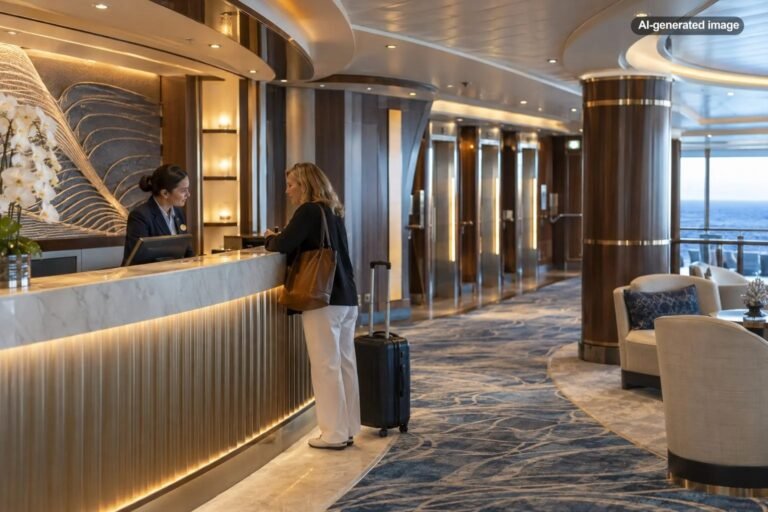
Hotel Amenities That Are Actually Worth Paying More For
A higher room rate can be justified when an amenity replaces a cost, removes a logistical problem, or makes a meaningful part of the stay more comfortable. The key is to value the amenity based on how you will actually use it rather than how impressive it sounds in a hotel description.
Breakfast, airport transportation, lounge access, a practical kitchen, dependable workspace, and flexible arrival or departure options can all be worth paying more for in the right circumstances. By contrast, features such as an elaborate lobby, decorative in-room technology, or a pool you will never visit may add little practical value.
Quick answer
- Pay more for amenities that replace expenses, such as breakfast, parking, laundry, or airport transportation.
- Prioritize convenience when timing is difficult, especially for early flights, late arrivals, business trips, and family travel.
- Calculate value for the entire room, not just one guest. Breakfast for four can matter more than breakfast for one.
- Confirm what is actually included, along with operating hours, reservation requirements, and usage restrictions.
- Skip amenities that do not match your itinerary, even when they make the property sound more luxurious.
Breakfast that fits your schedule and party size
Included breakfast is often worth a higher rate for families, groups, and travelers with early plans. Its value is not limited to the menu. Eating at the hotel can eliminate the time spent finding a restaurant, waiting for a table, placing an order, and settling the bill.
The distinction between a substantial breakfast and a token offering matters. A cooked breakfast, buffet, or made-to-order meal may replace a full restaurant visit. A counter with coffee and packaged pastries may offer convenience but should not be valued the same way.
Check the serving hours before paying more. Breakfast that begins after you must leave for the airport, a meeting, or a tour has little practical value. Travelers with dietary restrictions should also confirm that suitable choices are reliably available rather than assuming a broad menu.
Club lounge access with usable benefits
A club or executive lounge can be worthwhile when it provides food, drinks, workspace, and a quiet place to spend time outside the room. It can be especially useful on business trips, during longer stays, or when two people have different schedules.
The strongest lounge value usually comes from a combination of services. Breakfast may replace a morning meal, evening snacks may reduce dining expenses, and all-day beverages can make the hotel more convenient. A calm workspace may also matter when the room is shared or too small for productive work.
However, lounge quality and access rules vary. Confirm operating days, meal periods, guest limits, age restrictions, and whether access is included every night. A lounge that closes on weekends or offers only a coffee machine may not justify a substantial room premium.
Airport shuttles and genuinely convenient transportation
An airport shuttle can be worth paying more for when it removes uncertainty from an early departure, late arrival, or short overnight stay. The benefit is strongest when the hotel is close to the terminal and the shuttle operates during the hours you need it.
Do not assume that the word shuttle means continuous, complimentary service. Some operate on fixed schedules, require advance reservations, serve only selected terminals, or stop running overnight. Others may be shared with several properties, adding time to the journey.
Transportation value depends on the complete itinerary. A hotel with a shuttle may still be inconvenient if it is isolated from restaurants, transit, or the places you plan to visit. For a one-night airport stop, that tradeoff may be acceptable. For a multi-day city stay, a more central hotel can be the better choice.
A kitchen or kitchenette you will actually use
A refrigerator, microwave, sink, and basic cookware can materially improve a longer stay. These features are particularly useful for families, travelers with dietary needs, people working on extended assignments, and anyone who prefers not to eat every meal in a restaurant.
The word kitchenette is not standardized in everyday hotel descriptions. One property may provide a nearly complete cooking area, while another offers only a small refrigerator and microwave. Review the exact equipment list, including whether plates, utensils, cookware, dish soap, and a dining surface are provided.
A kitchen is less valuable on a short leisure trip centered on restaurants. It may also offer limited savings when nearby groceries are difficult to reach. Pay more when the setup supports a realistic meal plan, not simply because the room photographs show attractive cabinets.
Reliable workspace and connectivity
For business travelers and remote workers, a proper desk, supportive chair, accessible outlets, strong internet, and a quiet environment can be more valuable than recreational facilities. A poorly arranged room can turn a routine work session into an uncomfortable exercise involving a bed, a low coffee table, and tangled charging cables.
Premium internet may be worth considering when the standard connection is limited and your work includes video calls or large file transfers. Before paying extra, check whether enhanced access is already included through a loyalty membership, room category, conference rate, or club-level reservation.
Also consider where the workspace is located. A desk next to the bed may be adequate for a solo traveler but difficult for two guests with different sleep schedules. A suite with a separate living area can offer more practical value than a nominally upgraded room with better decor but the same open layout.
Parking that simplifies the trip
Included or conveniently located parking can justify a higher room rate in places where parking is limited, expensive, or operationally awkward. The important comparison is the total stay cost, not the advertised room rate alone.
Confirm whether parking is self-service or valet, whether in-and-out access is included, and whether oversized vehicles can be accommodated. A lower-priced hotel with a separate daily parking charge may ultimately cost more than a hotel with a higher rate and included parking.
On the other hand, parking has no value when you are arriving by train, using public transportation, or returning a rental car before check-in. It should not influence the decision merely because the hotel highlights it as a benefit.
Laundry access on longer trips
Guest laundry facilities or reasonably priced laundry service can be worth paying more for during extended travel. Access to a washer and dryer may allow you to pack fewer clothes, manage children’s clothing, or refresh athletic and outdoor gear between activities.
Distinguish between self-service machines, hotel-operated wash-and-fold service, and dry cleaning. These options differ substantially in convenience, timing, and potential cost. Self-service laundry may be the most practical for everyday clothing, while a time-sensitive business traveler may value same-day service more highly.
Check access hours and payment requirements. A laundry room is less useful if machines are scarce, routinely occupied, or located in another building without convenient access.
Late checkout, early check-in, and luggage support
Flexible timing can be worth paying for when there is a long gap between your transportation schedule and the hotel’s standard room hours. Late checkout may provide time to work, rest, change clothes, or prepare for an evening flight without spending hours in a lobby.
The crucial distinction is between a confirmed benefit and a request that remains subject to availability. Do not build a tightly timed plan around an unconfirmed extension. Ask when the hotel can confirm it and whether the benefit applies to your specific rate or room category.
Secure luggage storage, access to common facilities after checkout, and changing or shower facilities can sometimes solve the same problem without an upgraded room. Compare the complete set of options before paying for an additional night or premium package.
Fitness, pool, and wellness facilities that match the trip
A well-equipped fitness center can be valuable for travelers maintaining a training schedule, particularly when nearby gyms require day passes or inconvenient transportation. Equipment variety, ventilation, operating hours, and maintenance matter more than the mere presence of a treadmill in a small room.
Pools and spa facilities are more situational. Families planning daily pool time may reasonably pay more for a property with an appealing, supervised, or weather-protected facility. A traveler with a full sightseeing itinerary may never use it. Resort-style amenities can also come with separate fees or reservation procedures, so inclusion should be verified.
Evaluate wellness amenities as part of your planned routine. Paying more makes sense when the facility changes how you will spend meaningful time, not when it simply makes the hotel look more complete.
What travelers often overlook
The most expensive mistake is comparing room rates without comparing inclusions. Create a simple total for the stay that accounts for breakfast, parking, transportation, internet, and any mandatory property charges disclosed during booking. Then consider the time and inconvenience each amenity may save.
Availability is another overlooked issue. A restaurant may close on certain days, a shuttle may require a reservation, or a pool may have limited hours. Amenities can also be temporarily unavailable for maintenance or private events. Confirm any feature that is central to your decision directly with the property shortly before arrival.
Finally, consider opportunity cost. A hotel with more amenities may be farther from the places you plan to visit. Saving money on breakfast is less compelling if the location adds lengthy daily transportation. The best value usually comes from a hotel that supports the actual structure of the trip.
Frequently asked questions
How much more should I pay for hotel amenities?
There is no universal amount. Estimate what the amenity would otherwise cost your entire party, then account for convenience and time saved. Pay less than that combined value unless the amenity also meaningfully improves comfort.
Is an upgraded room better than paying for separate amenities?
It depends on what the upgrade includes. A larger room, lounge access, breakfast, and late checkout may create substantial value together. A higher floor or decorative upgrade may offer little practical benefit.
Are resort amenities worth the additional cost?
They can be when the resort itself is a major part of the vacation. Travelers who expect to spend most days away from the property should examine whether they will use enough of the included facilities and activities.
Which amenities matter most for families?
Breakfast, refrigerators or kitchens, laundry access, pools, larger room layouts, parking, and convenient transportation often provide the clearest benefits. The best combination depends on the children’s ages and the daily itinerary.
What should business travelers prioritize?
Reliable internet, an ergonomic workspace, quiet rooms, convenient transportation, breakfast at suitable hours, flexible checkout, and lounge access usually have more practical value than leisure-oriented extras.