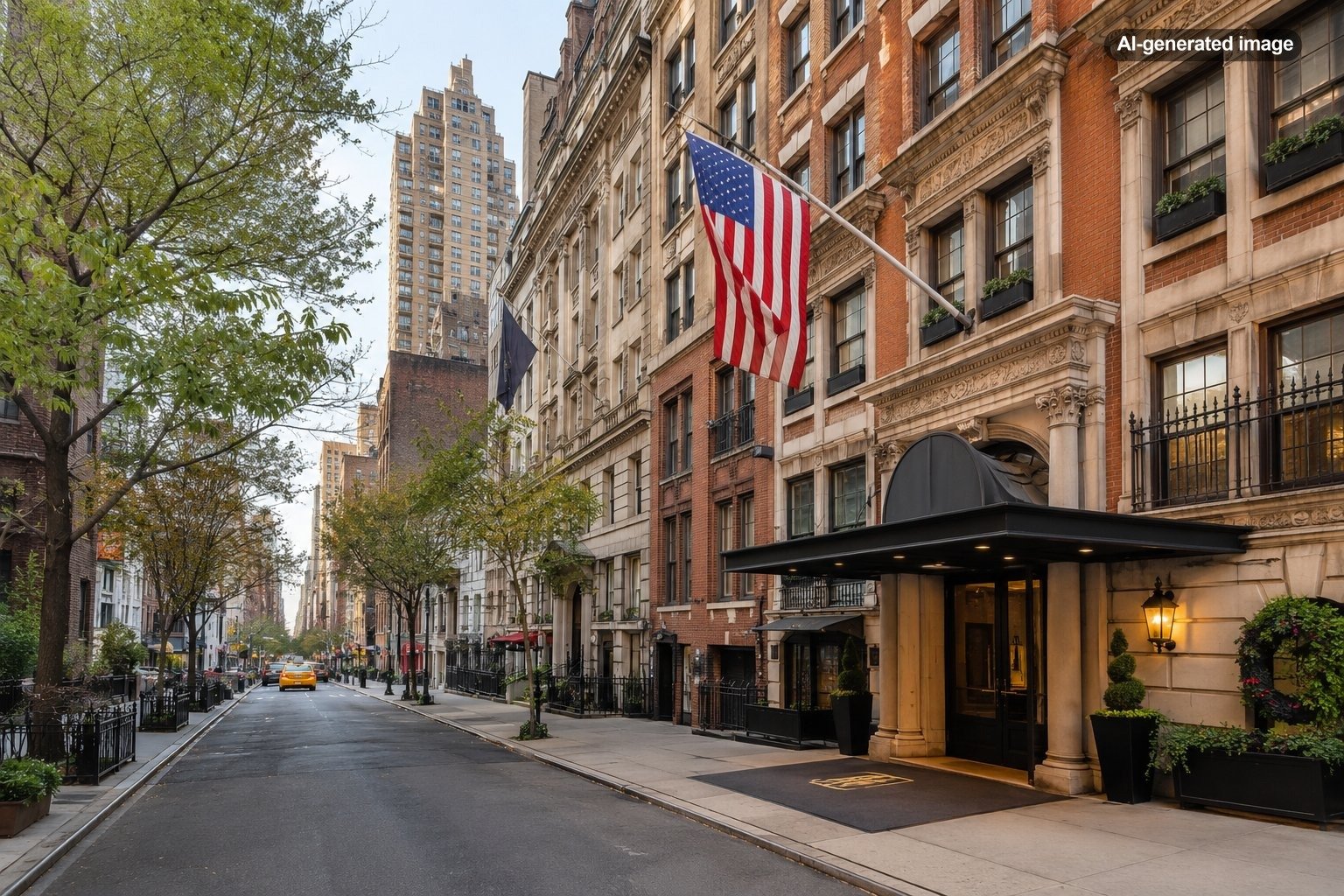
Where to Stay for a First Visit to New York City
For most first-time visitors, Midtown Manhattan is the most practical place to stay in New York City. It puts major landmarks, Broadway theaters, several subway lines, and a broad range of hotels within a relatively compact area. That convenience can make a short trip easier, especially when the itinerary includes classic sights spread across Manhattan.
Midtown is not the only sensible choice. Travelers who value restaurants and neighborhood atmosphere may prefer Chelsea, Flatiron, Greenwich Village, or SoHo. Families and museum-focused visitors may be happier near Central Park, while travelers who expect to spend time in Brooklyn may benefit from staying in Lower Manhattan, Dumbo, or Williamsburg. The right answer depends less on finding a universally superior neighborhood and more on choosing the tradeoffs that fit the trip.
Quick answer
- Best overall for a first visit: Midtown Manhattan, particularly near Bryant Park, Rockefeller Center, or Herald Square.
- Best for Broadway and maximum sightseeing convenience: Times Square and the Theater District.
- Best balance of location and neighborhood character: Chelsea or the Flatiron District.
- Best for museums, Central Park, and a calmer evening atmosphere: the Upper West Side or Upper East Side.
- Best for downtown dining and nightlife: Greenwich Village, SoHo, or the Lower East Side.
Midtown Manhattan: the most convenient all-around choice
Midtown is often the easiest base for a first New York trip because it sits near many of the places visitors already expect to see. Times Square, Broadway, Rockefeller Center, Fifth Avenue, the Empire State Building, Grand Central Terminal, Bryant Park, and the southern edge of Central Park are all in or near the broader Midtown area.
The neighborhood also contains several major subway hubs. That matters more than being physically close to every attraction. A hotel near a station served by multiple lines can simplify trips downtown, uptown, or into Brooklyn and reduce the number of transfers required.
Best for: short visits, first-time sightseeing, travelers with packed itineraries, and groups whose members have different priorities.
Tradeoffs: Midtown is busy, heavily commercial, and not always the version of neighborhood life travelers imagine when they picture living in New York. Street noise, pedestrian traffic, and bright signage can continue well into the evening. Hotel rooms may also feel compact, even in properties positioned above the entry level.
Where within Midtown?
Bryant Park and Grand Central: These areas offer central positioning without placing guests directly inside the brightest part of Times Square. They work well for travelers who want convenient transportation, business-district polish, and easy access to both the east and west sides.
Rockefeller Center and Midtown East: A strong choice for Fifth Avenue, major Midtown landmarks, and a somewhat more orderly business-oriented atmosphere. Midtown East can become quieter after office hours in some blocks, which may appeal to travelers who do not need nightlife immediately outside the hotel.
Herald Square and NoMad: Useful for travelers who want access to Midtown and downtown neighborhoods. NoMad generally feels more restaurant-focused and residential than the blocks immediately around major transportation and retail centers.
Times Square and the Theater District: best for Broadway
Staying near Times Square places visitors close to Broadway theaters and one of the city’s largest concentrations of subway service. For travelers attending several performances, traveling with children who want the full spectacle, or visiting for only a night or two, that level of convenience can outweigh the area’s intensity.
The important distinction is between visiting Times Square and sleeping there. The lights, crowds, traffic, and late-night activity are part of the appeal, but they can also make the neighborhood tiring. Travelers who like the location but want a little distance should look several blocks east or west rather than directly overlooking the central plazas.
Best for: Broadway trips, very short stays, first-time visitors who want an unmistakably central setting, and travelers who are comfortable with crowds.
Who may prefer another area: light sleepers, repeat visitors, restaurant-focused travelers, and anyone seeking a residential atmosphere.
Chelsea, Flatiron, and NoMad: the best balance for many travelers
Chelsea, the Flatiron District, and NoMad sit between Midtown’s landmark concentration and the downtown neighborhoods known for dining and nightlife. They can provide a useful middle ground: central enough for efficient sightseeing, but generally more neighborhood-oriented than Times Square.
Chelsea is particularly practical for visitors interested in art galleries, the High Line, Chelsea Market, and the west side. Flatiron and NoMad work well for travelers who want restaurants, attractive streets, and straightforward access to both Midtown and areas farther south.
Best for: couples, food-focused travelers, visitors who plan to divide their time between uptown and downtown, and people who want a polished city atmosphere without staying beside the largest tourist crowds.
Tradeoffs: Convenience varies from block to block. A hotel that appears centrally located on a map may still require a longer walk to the subway line most useful for a particular itinerary. Travelers should check the nearest station entrances rather than judging the location only by neighborhood name.
Upper West Side and Upper East Side: best near Central Park
The Upper West Side and Upper East Side suit travelers who want Central Park, museums, residential streets, and evenings that generally feel less dominated by tourism. These areas can be particularly comfortable for families, longer stays, and visitors who prefer beginning and ending the day away from Midtown’s most intense commercial blocks.
The Upper West Side is convenient for the American Museum of Natural History, Lincoln Center, and the western side of Central Park. The Upper East Side is a natural base for Museum Mile, Madison Avenue, and the park’s eastern side.
Best for: families, museum visits, Central Park time, longer trips, and travelers who appreciate a more residential base.
Tradeoffs: Downtown attractions may require more time on the subway. East-west travel across Central Park can also be less direct than trips running north and south. Visitors with most of their plans below 34th Street may find these neighborhoods attractive but inefficient.
Greenwich Village, SoHo, and the Lower East Side: best for downtown atmosphere
Downtown Manhattan appeals to travelers who prioritize restaurants, bars, smaller streets, independent shops, and neighborhood character over immediate access to Midtown landmarks.
Greenwich Village offers historic streets, cafes, nightlife, and access to Washington Square Park. It can feel more intimate than Midtown, although hotel inventory is comparatively limited.
SoHo is well positioned for shopping, architecture, and exploring several downtown neighborhoods on foot. Its popularity can produce substantial pedestrian traffic during the day.
The Lower East Side is a stronger match for nightlife, contemporary restaurants, and travelers who expect to stay out late. Some blocks can be noisy, so the hotel’s immediate surroundings matter considerably.
Best for: couples, solo travelers, restaurant-focused trips, nightlife, and visitors who prefer exploring neighborhoods to checking off a long landmark list.
Tradeoffs: Trips to Central Park, major Midtown museums, and some Broadway theaters take longer. Subway access can also be less flexible than it is around the largest Midtown hubs.
Lower Manhattan: best for history and Brooklyn access
Lower Manhattan includes the Financial District, the World Trade Center area, Battery Park, and the Seaport. It offers access to historic sites, waterfront areas, ferries, and several subway routes. It is also well positioned for reaching downtown Brooklyn and neighborhoods near the East River.
The atmosphere changes with the business day. Some streets are highly active during office hours and noticeably calmer at night, while the Seaport and residential sections have their own evening activity. Travelers should evaluate the hotel’s exact block rather than treating the Financial District as a single uniform area.
Best for: history-focused itineraries, business trips, visitors planning substantial time in Brooklyn, and travelers who like modern high-rise hotels.
Tradeoffs: Most Broadway theaters, Central Park, and major Midtown sights are farther away. The area can feel removed from the center of a classic first-visit itinerary, even when subway connections are convenient.
Dumbo and Williamsburg: when staying in Brooklyn makes sense
Brooklyn can be an excellent base, but first-time visitors should choose it deliberately rather than assuming every Brooklyn neighborhood offers an easy Manhattan commute.
Dumbo offers waterfront scenery, distinctive architecture, Brooklyn Bridge access, and proximity to Lower Manhattan. It is compact and visually memorable, although hotel selection and late-night variety are more limited than in larger neighborhoods.
Williamsburg is better suited to travelers who prioritize restaurants, bars, music, shopping, and a Brooklyn-centered experience. Access to Manhattan can be straightforward from parts of the neighborhood, but the trip becomes less convenient when subway service changes or when an itinerary requires repeated travel to Midtown’s west side.
Best for: longer stays, repeat visitors, travelers with friends or plans in Brooklyn, and people who are comfortable organizing sightseeing around transit.
Who may prefer Manhattan: visitors with three days or fewer, travelers attending several Broadway shows, and anyone who wants to return to the hotel between daytime and evening activities.
How to choose a hotel location within the neighborhood
A neighborhood name alone does not determine convenience. In New York, two hotels described as being in the same area can produce very different daily routines.
- Check the walk to the subway entrance. A station may appear nearby while its practical entrance is several blocks away.
- Look at the specific subway lines. A nearby line is most useful when it serves the areas on the itinerary without repeated transfers.
- Consider late-night noise. Theaters, bars, loading areas, fire stations, elevated trains, and major avenues can affect the room experience.
- Review room dimensions and bed arrangements. New York hotel rooms are often smaller than travelers expect, and two beds may leave little open floor space.
- Examine the full hotel fee policy. Confirm taxes, deposits, destination or facility charges, cancellation terms, and what is included directly with the property before booking.
What first-time visitors often overlook
Returning to the hotel during the day: A central location becomes more valuable when travelers expect to change clothes before dinner, rest with children, collect shopping bags, or prepare for an evening performance.
Airport convenience is not the same as sightseeing convenience: A location that simplifies the arrival journey may not be ideal for the remaining days. For most trips, daily access to planned activities deserves more weight than a single airport transfer.
Avenue blocks and street blocks are different: Manhattan’s grid looks simple, but walking east or west across several avenues can take longer than expected. Weather, crowds, luggage, and mobility needs increase the practical difference.
Service changes happen: Subway routes can change during nights and weekends. Travelers should review current MTA information rather than assuming every train will follow its usual route throughout the trip.
Frequently asked questions
Is Times Square a good place to stay for a first visit?
Yes, particularly for Broadway, short trips, and convenient subway access. It is less suitable for travelers who dislike dense crowds, bright lights, or late-night street activity.
Is it better to stay in Midtown or downtown Manhattan?
Midtown is usually more efficient for a traditional first-time itinerary. Downtown is often better for dining, nightlife, and neighborhood atmosphere. Travelers planning many Midtown attractions should favor convenience; those who prefer exploring on foot and spending evenings near restaurants may favor downtown.
Should a first-time visitor stay in Brooklyn?
Brooklyn works best when the traveler actively wants a Brooklyn experience or has a longer visit. For a short trip centered on Manhattan landmarks, staying in Manhattan usually reduces daily transportation time.
Which New York neighborhood is best for families?
Midtown can be easiest for a short, attraction-heavy trip, while the Upper West Side often appeals to families seeking Central Park, museums, and a more residential evening environment. Room layout, elevator access, and proximity to the correct subway lines should be considered alongside the neighborhood.
How close should a hotel be to the subway?
A walk of a few blocks is manageable for many travelers, but the ideal distance depends on weather, luggage, mobility, and how often the itinerary requires transit. The usefulness of the lines serving the station is more important than distance alone.