Should You Avoid Hotel Rooms Above the Lobby Bar?
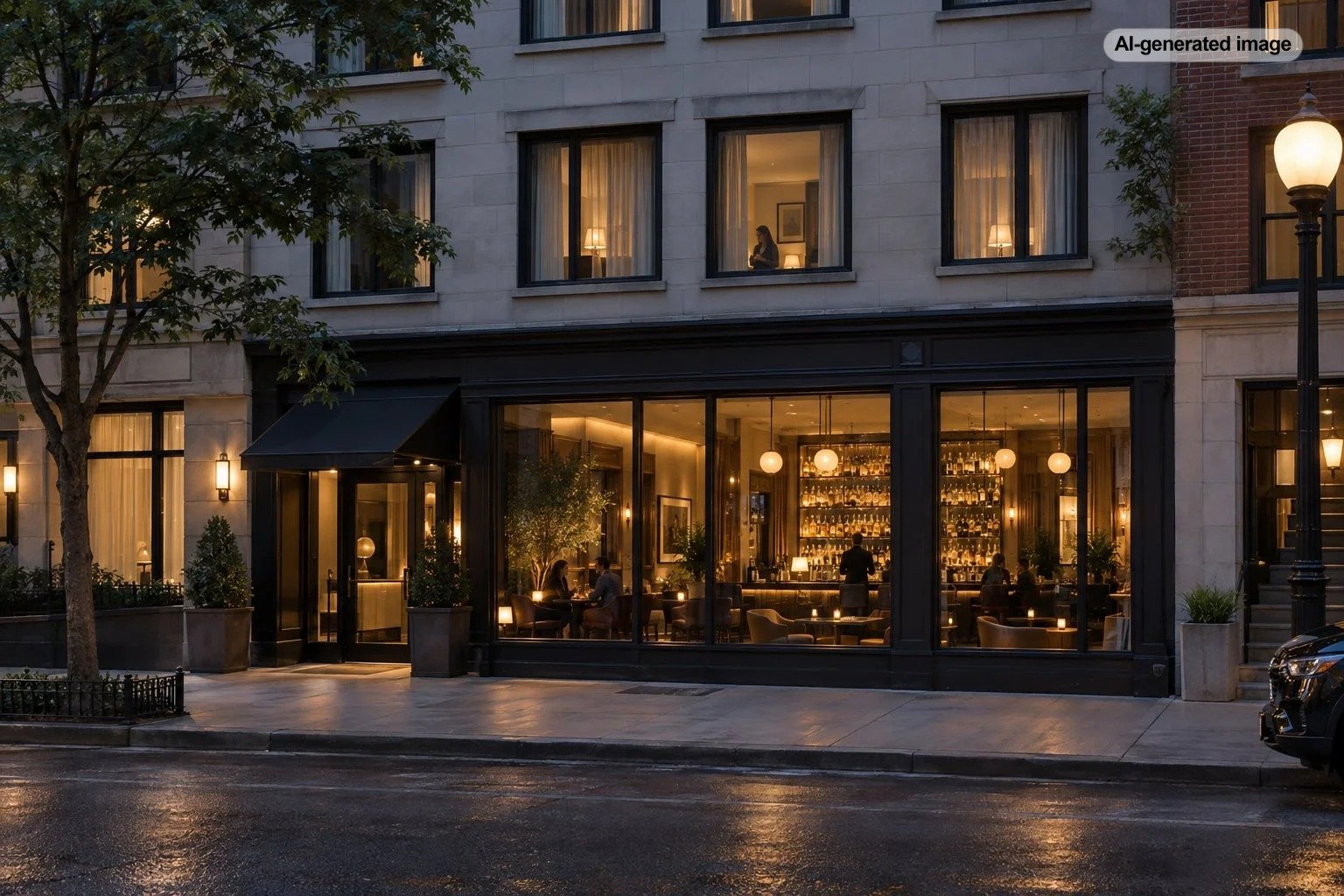
A hotel room directly above a lobby bar is not automatically a bad choice, but travelers who are sensitive to noise should treat the location as a potential drawback. Music, conversation, furniture movement, cleaning, and structure-borne vibration can sometimes travel upward, especially when the bar remains active late into the evening. On the other hand, a well-designed hotel may provide enough acoustic separation that guests upstairs notice very little.
The useful question is therefore not simply whether the room is above a bar. It is how the bar operates, how the building handles sound, where your particular room sits in relation to the busiest part of the venue, and how important uninterrupted sleep is to you.
Quick answer
- If you are a light sleeper, requesting a room away from a lobby bar is usually the lower-risk choice.
- A room one or more floors above the venue may be substantially different from a room immediately over it.
- Late-night music, amplified sound, bass, and furniture movement can matter more than ordinary conversation.
- Modern acoustic construction can reduce sound transfer, but travelers generally cannot judge that from a hotel floor plan alone.
- If quiet is important, tell the hotel specifically that you would prefer a room away from bars, event spaces, elevators, and other late-night activity.
Why a lobby bar can affect rooms upstairs
Hotel noise does not travel in only one way. Voices and music can move through the air, while bass, footsteps, chairs, carts, doors, and equipment can create vibration that passes through parts of the building structure. The result is that two rooms that appear similarly close to a bar may have noticeably different sound conditions.
Acoustic design is an established consideration in hospitality buildings. Guest rooms generally have different sound expectations from public spaces such as lobbies, and building systems, walls, ceilings, floors, ducts, and structural connections can all influence what reaches a sleeping area. This is why the phrase “above the bar” describes only part of the situation.
Amplified music deserves particular attention
A subdued lounge where guests have quiet conversations presents a different situation from a bar with speakers, live entertainment, DJs, or strong bass. Lower-frequency sound can be especially noticeable when transmitted through a building, even when individual voices are difficult to hear.
If recent reviews repeatedly mention music or bass reaching guest rooms, that information is more useful than simply knowing that the hotel has a lobby bar.
Closing time is only part of the story
A bar may become quieter when service ends, but activity does not necessarily stop immediately. Staff may move chairs, clear tables, handle glassware, clean floors, remove trash, or reset the space. For an early sleeper, a venue that closes around the time other guests are still socializing may be more relevant than it would be for someone who normally stays awake late.
The room immediately above the bar carries the most obvious risk
If you have a choice, there is a practical distinction between being directly above an active venue and merely being somewhere on an upper floor. A room separated from the bar by additional floors, corridors, guestrooms, or other spaces may experience a different sound environment.
The exact building layout matters. One second-floor room might sit over the center of the bar, another over a quieter lobby seating area, and another over offices or back-of-house space. A reservation system normally does not reveal that level of detail.
That makes the front desk especially useful. Instead of asking only for “a quiet room,” you can say that you are a light sleeper and would prefer not to be directly above or adjacent to the lobby bar or other evening entertainment areas. The request is specific enough to help staff understand the concern, although any particular room assignment remains subject to the hotel’s circumstances.
Who should be especially cautious?
Light sleepers: If small changes in background sound regularly wake you, avoiding rooms near nightlife areas is sensible when alternatives exist. The benefit of a convenient room location is unlikely to outweigh a poor night’s sleep.
Travelers with early mornings: Business travelers, families leaving for an early flight, and anyone beginning a long driving day may place more value on predictable quiet than travelers planning a late evening themselves.
Families with young children: Early bedtimes can make evening bar activity more relevant even when the venue settles down well before midnight.
Guests staying several nights: A questionable room position matters more during a five-night stay than during a quick overnight when you expect to arrive late and leave early.
When a room above the bar may be perfectly acceptable
Some travelers should not assume the location is a problem. If the hotel has strong acoustic separation, the bar is subdued, entertainment ends early, or the assigned room is not directly above the active portion of the venue, disturbance may be minimal.
Your schedule also matters. Someone who expects to return to the hotel late after dinner, a show, or an event may barely overlap with the bar’s busiest hours. A sound-sensitive traveler planning to sleep at 9 p.m. faces a different tradeoff.
This is one reason broad statements such as “never stay above the lobby” are not particularly useful. Hotel design, operations, and individual sleep preferences vary too much.
How to investigate before you book
Look beyond a property’s overall review score. Search recent guest comments for specific terms such as “bar,” “lobby,” “music,” “bass,” “noise,” “second floor,” and “quiet room.” Repeated comments describing the same location or time of night are more informative than a single complaint without context.
Also examine the hotel’s public-space descriptions. A cocktail lounge intended for conversation is different from a venue promoted around nightlife or entertainment. Do not assume either will necessarily be noisy in guestrooms; the distinction simply tells you what questions are worth asking.
If quiet is a priority, contact the hotel before arrival and ask whether guestrooms are located directly above the bar and whether another part of the building is generally farther from evening public-space activity. Staff may be able to note a preference even when they cannot guarantee a particular room.
A quiet room request should be specific
Travelers often request a “quiet room,” but that phrase can mean different things. One person wants to avoid street traffic. Another wants distance from elevators. Someone else is concerned about connecting doors, event spaces, ice machines, housekeeping areas, or lobby nightlife.
A better request might be: I am a light sleeper and would appreciate a room away from the lobby bar, elevators, and late-night gathering areas if possible.
That does not guarantee silence, but it gives hotel staff more useful information than a generic preference.
Do not overlook other sources of hotel noise
Avoiding the bar does not necessarily produce the quietest room in the building. Street-facing rooms can experience traffic or nightlife noise. Rooms beside elevators may hear hallway conversations. Connecting doors can offer less acoustic separation than a solid wall in some buildings. Mechanical equipment, ice machines, service areas, event rooms, and housekeeping activity can also matter.
For that reason, moving from directly above the lobby bar to a room beside another busy area could simply exchange one potential disturbance for another. If sleep matters greatly, ask about the overall location rather than focusing on a single feature.
What to do if the room turns out to be noisy
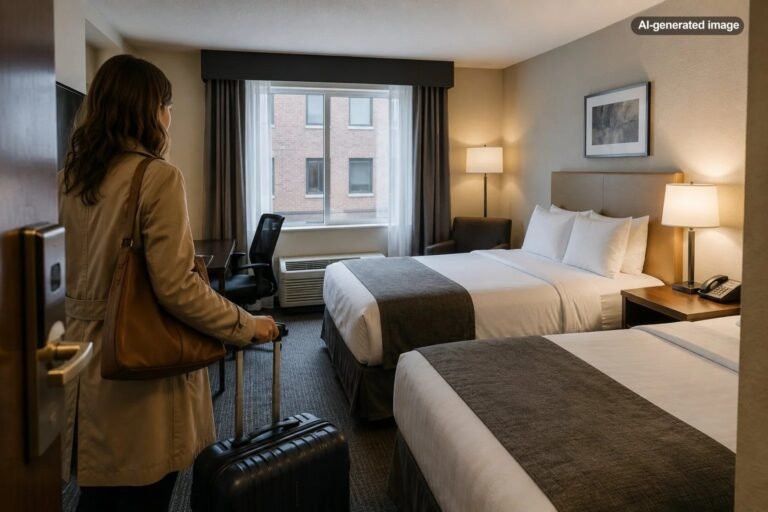
Address the issue early rather than waiting until the middle of the night. If you notice substantial bar noise shortly after entering the room, contact the front desk and explain what you can hear. When another suitable room is available, moving before unpacking fully is generally easier than relocating after bedtime.
If no alternative is available, simple measures such as closing interior doors, using steady background sound, or repositioning yourself farther from the strongest source may make the room more comfortable. These measures cannot solve significant structure-borne noise, however.
What travelers often overlook
The most important overlooked factor is that hotel noise is highly location-specific. Reviews saying a property is “noisy” may refer to street traffic while rooms facing an interior courtyard remain calm. Conversely, glowing reviews about a peaceful upper floor do not necessarily describe guestrooms directly above an active public space.
Another overlooked distinction is timing. Ask yourself when you realistically expect to sleep. A lobby bar that remains active during your normal waking hours may be irrelevant to you, while a comparatively modest amount of evening activity can matter greatly when traveling with children or preparing for an early appointment.
FAQ
Is the second floor of a hotel usually noisier?
Not necessarily. A second-floor room can be quiet, but rooms immediately above lobbies, restaurants, bars, entrances, event spaces, or other active public areas may have greater potential for noise than rooms farther away. The layout matters more than the floor number alone.
Should I ask for the highest floor?
A higher floor can reduce exposure to some street and lobby activity, but it is not a universal solution. Mechanical equipment, elevators, rooftop systems, neighboring guests, and building layout can still affect sound. Ask for a quiet location rather than assuming height alone guarantees one.
Can hotel staff guarantee a room away from the bar?
Policies and room-assignment practices vary by property. A hotel may be able to record a preference without guaranteeing a specific location. If the issue is important, confirm your request with the property before arrival and again at check-in.
Are rooms near lobby bars always noisy?
No. Acoustic construction, venue design, operating style, entertainment, room position, and the building itself all influence sound transmission. Some guestrooms near public areas may remain quite comfortable.
So, should you avoid a hotel room above the lobby bar?
If you are a light sleeper or need an especially restful night, choosing a room farther from the bar is a sensible precaution when the hotel can accommodate the request. For travelers who sleep easily, return late, or are staying in a property with effective sound separation, the location may pose little practical problem. The best approach is to treat room position as one factor in the larger question of where the hotel’s evening activity occurs and how closely your assigned room is connected to it.