How to Choose Between Kruger National Park and a Private Game Reserve
Choosing between Kruger National Park and a private game reserve is less about deciding which safari is universally better and more about deciding how you want to experience the bush. Kruger is particularly strong for travelers who value independence, a large road network, varied accommodation styles, and the option to drive themselves. A private reserve generally suits travelers who want a more guided, lodge-centered experience with scheduled game drives and fewer logistical decisions each day.
The distinction also affects cost, daily rhythm, wildlife viewing, privacy, and how much control you have over your schedule. Some travelers combine the two, using Kruger for an independent safari and a private reserve for a more structured lodge stay.
Quick answer: Kruger or a private reserve?
- Choose Kruger National Park if you want to self-drive, explore at your own pace, choose among different rest camps, and have more control over how you structure each day.
- Choose a private game reserve if you prefer guided drives, lodge-based meals and service, smaller guest numbers, and a safari schedule organized for you.
- Choose Kruger for flexibility if independent travel is an important part of the experience.
- Choose a private reserve for convenience if you would rather concentrate on wildlife viewing than navigation, driving, meals, and daily planning.
- Consider combining both if your trip is long enough to justify changing properties and you want to experience both safari styles.
The biggest difference is how you spend your safari day
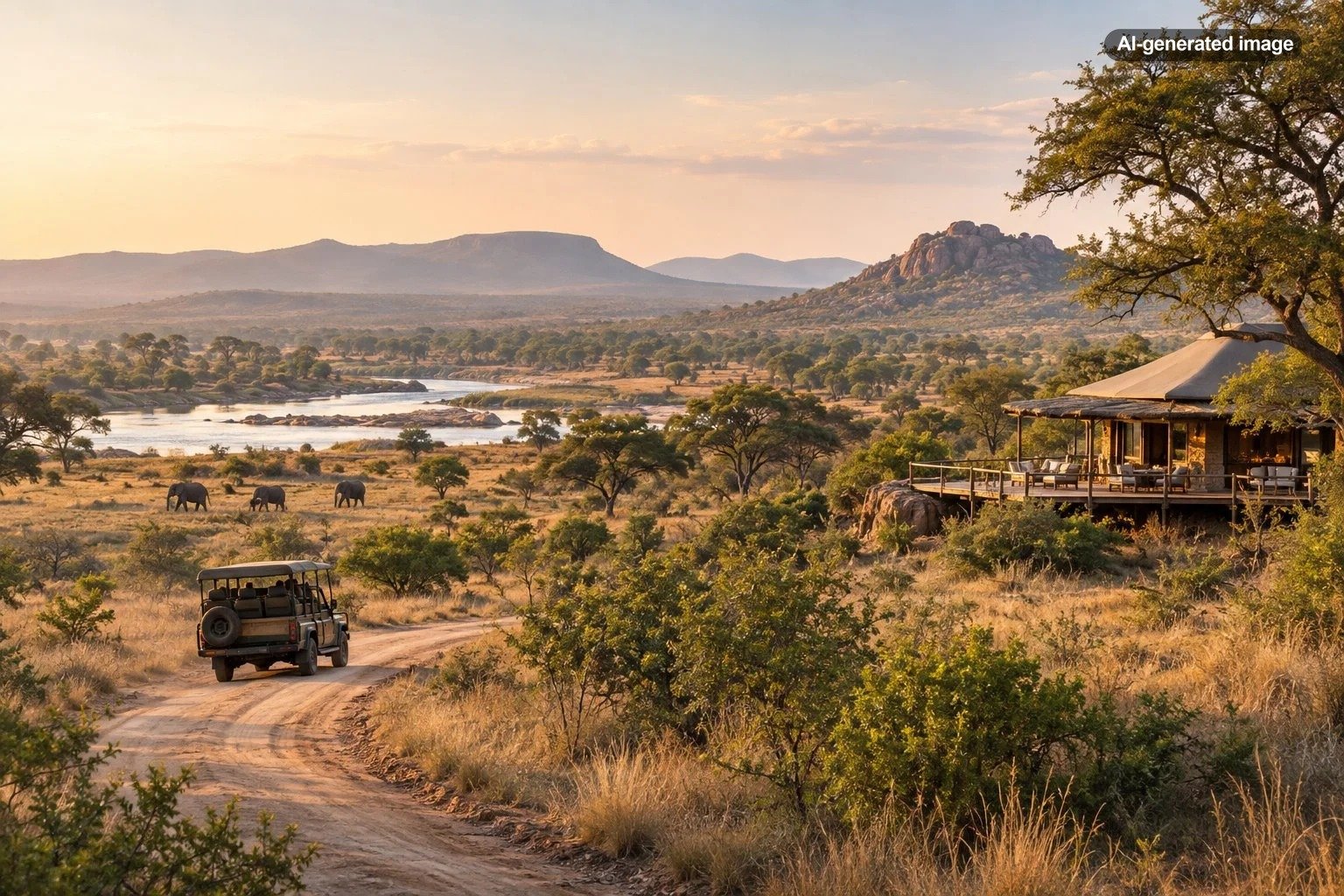
Kruger National Park operates as a large public national park where visitors can explore designated roads in their own vehicles. That independence changes the character of the trip. You can choose when to stop, how long to watch an animal, which route to take, and whether to spend most of a morning driving or return to camp early.
Kruger also offers guided activities, including game drives and guided walks, so staying in the national park does not require doing everything independently. The important distinction is that self-driving remains a major option.
Private reserves usually organize the safari around lodge activities. A typical stay revolves around guided drives, meals, rest time, and sometimes other guided bush experiences. The exact program varies by reserve and lodge, but guests generally surrender some schedule flexibility in exchange for having much of the day organized for them.
Kruger gives independent travelers more control
For many visitors, the attraction of Kruger is the freedom to make decisions throughout the day. If you find elephants near a waterhole, you may decide to stay. If a particular road is quiet, you can change direction. If you enjoy birding, landscapes, or simply driving slowly through different habitats, there is no requirement to keep pace with a guided group.
That freedom also creates responsibility. Drivers need to pay attention to park rules, road conditions, distances, fuel, camp locations, and the requirement to return to camp or exit the park within applicable gate times. Kruger’s size means that distances can be deceptive, especially when wildlife sightings repeatedly slow your progress.
This style is well suited to travelers who enjoy road trips, navigation, photography at their own pace, and the satisfaction of finding wildlife independently.
Private reserves put more emphasis on guiding and lodge service
A private reserve can simplify the safari experience considerably. Rather than planning a driving route each morning, guests generally join a professional guide for scheduled wildlife viewing. This can be especially appealing on a first safari, when interpreting tracks, animal behavior, habitats, and subtle signs in the bush may add substantially to the experience.
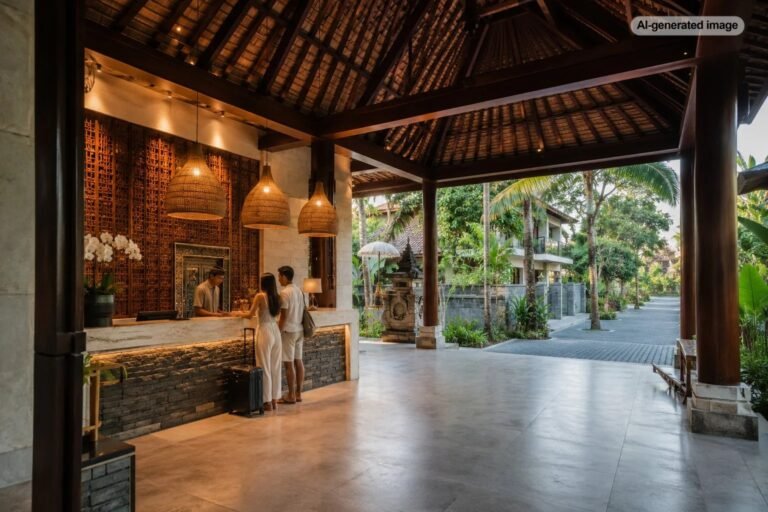
Private reserves also tend to make the lodge itself a larger part of the trip. Meals, shared spaces, downtime between drives, and personalized service can be nearly as important as the hours spent looking for wildlife. This makes the format attractive to couples, celebratory trips, and travelers who want their safari to feel like a complete hospitality experience rather than primarily a wildlife-focused road trip.
The tradeoff is that your day may follow the lodge’s rhythm. Travelers who dislike early starts, group schedules, or returning when the drive ends may prefer the independence available in Kruger.
Wildlife viewing works differently
Both Kruger and the private reserves bordering or associated with the Greater Kruger ecosystem can provide excellent wildlife experiences, but the mechanics of viewing can differ.
In Kruger, ordinary visitors remain on designated public roads and must follow national park driving rules. Wildlife encounters therefore depend partly on where animals appear relative to the road network. The upside is that each sighting feels self-directed: you chose the route, found the animal, and decided how to spend your time.
Private reserves may operate under different internal access and traversing arrangements, depending on the reserve. Guided vehicles can sometimes use tracks or viewing practices unavailable to ordinary self-drive visitors in the national park. These differences can create a more targeted style of wildlife viewing, but the precise rules vary by reserve and should be checked before booking.
No safari format can guarantee particular animals. Weather, vegetation, animal movement, season, and chance remain important regardless of where you stay.
Accommodation ranges from practical camps to high-end lodges
Kruger is not a single lodging experience. SANParks operates multiple accommodation categories and rest camps, and the park also contains private concession lodges. A Kruger trip can therefore range from a relatively independent stay built around rest-camp facilities to a much more service-oriented lodge experience.
Private game reserves are commonly associated with safari lodges where accommodation, meals, and guided wildlife activities form one integrated stay. Market position varies considerably, so travelers should compare what is actually included instead of assuming every private reserve represents the same level of luxury.
This matters when comparing costs. A lower accommodation rate in Kruger may not include guided activities or meals, while a lodge rate may bundle several components of the safari day. Comparing only the room price can therefore give a misleading impression of the difference.
Compare the total trip structure, not just the nightly rate
| Consideration | Kruger National Park | Private game reserve |
|---|---|---|
| Daily control | High for self-drivers | Usually more structured around lodge activities |
| Driving | Self-drive or guided options | Typically guided safari vehicles |
| Meals | Depends on accommodation and camp | Often integrated into the lodge stay |
| Guiding | Optional guided activities available | Usually central to the experience |
| Best fit | Independent travelers and road-trip styles | Travelers wanting a managed safari experience |
Kruger is especially appealing if you enjoy self-driving
A self-drive safari is not merely a less expensive substitute for a guided safari. For some travelers, it is the main attraction. Deciding which road to take, noticing fresh tracks, scanning distant clearings, and gradually learning where animals tend to appear can make the process of searching as engaging as the sighting itself.
Self-driving also makes it easier to devote unusual amounts of time to personal interests. A birder may spend an hour near a productive patch of woodland. A photographer may wait for better light. A family may shorten an afternoon outing because younger travelers are tired.
The downside is that you do the work. Navigation, driving, time management, and wildlife spotting all demand attention. Someone who wants to arrive at a lodge and hand those responsibilities to experienced staff may find a private reserve more relaxing.
A private reserve can make a first safari easier to navigate
First-time safari travelers often underestimate how much there is to interpret beyond simply seeing a large animal. An experienced guide can explain tracks, alarm calls, territorial behavior, vegetation, smaller species, and relationships between animals that are easy to miss when concentrating on driving.
That does not mean experienced safari travelers automatically prefer private reserves. Some repeat visitors increasingly enjoy the autonomy of self-driving. Others value skilled guiding more after several trips because they become interested in details beyond headline sightings.
Privacy and vehicle traffic can matter
Kruger is a public national park, so popular sightings can attract multiple vehicles, particularly on well-traveled roads. The experience varies considerably by location, season, time of day, and how far you are from busy southern sections or major camps.
Private reserves generally control access more tightly because their roads are used primarily by guests and authorized vehicles. That can create a quieter feeling, although vehicle-management policies differ among reserves. Travelers who place a high value on lower traffic around sightings should ask a prospective lodge how wildlife sightings and vehicle numbers are managed rather than assuming all private reserves operate identically.
Combining Kruger and a private reserve can be a practical compromise
Travelers do not necessarily need to choose one format for an entire safari. A split stay can provide several days of independent exploration followed by several days in a guided lodge, or the reverse.
This combination works particularly well for travelers who are curious about self-driving but do not want to rely on it for the entire trip. It can also provide useful contrast: the same ecosystem feels quite different when experienced from your own vehicle one day and with a professional guide the next.
The main drawback is logistical. Moving between accommodations consumes time, and changing properties too frequently can make a safari feel fragmented. A split stay is most useful when the trip is long enough for each location to receive more than a token visit.
What travelers often overlook
Kruger itself includes more than basic rest camps
The choice is not simply public park accommodation versus luxury private lodging. Kruger includes different camp types as well as private lodge concessions, so travelers can create a more comfortable or guided trip without necessarily leaving the national park.
Private reserve is a category, not a standardized product
Reserves differ in size, access arrangements, lodge density, traversing rights, vehicle policies, accommodation style, and the activities they offer. Before booking, examine the actual lodge and reserve rather than relying on the phrase private game reserve as a guarantee of a particular experience.
Your preferred pace matters as much as wildlife priorities
Some travelers love being in a vehicle before sunrise and structuring the day around guided drives. Others prefer a late breakfast, a shorter afternoon outing, or the freedom to change plans spontaneously. Safari satisfaction often depends on matching the daily rhythm to your travel style.
Frequently asked questions
Is Kruger National Park only for self-drive safaris?
No. Self-driving is a major part of the Kruger experience, but SANParks also offers guided game drives, walks, and other organized activities from various locations.
Do private reserves guarantee better wildlife sightings?
No. Private reserves may offer different access patterns and highly experienced guiding, but wildlife remains wild. Specific sightings cannot be guaranteed in either setting.
Is a private reserve always more luxurious than Kruger?
No. Accommodation varies on both sides of the comparison. Kruger has public rest camps as well as private lodge concessions, while private reserves themselves span different levels of accommodation and service.
Can you visit both on one trip?
Yes. Combining Kruger with a private reserve is a common-sense option when you have enough time for a split stay. It offers both independent exploration and a more structured guided safari without requiring you to commit to a single style for the entire trip.
Which option is better for a first safari?
A private reserve can reduce logistical decisions and place professional guiding at the center of the experience, while Kruger gives first-time visitors more independence and can be especially rewarding for travelers comfortable driving and planning their own days. The stronger fit depends on how much structure you want.