Best Caribbean Islands for Calm Water and Easy Swimming
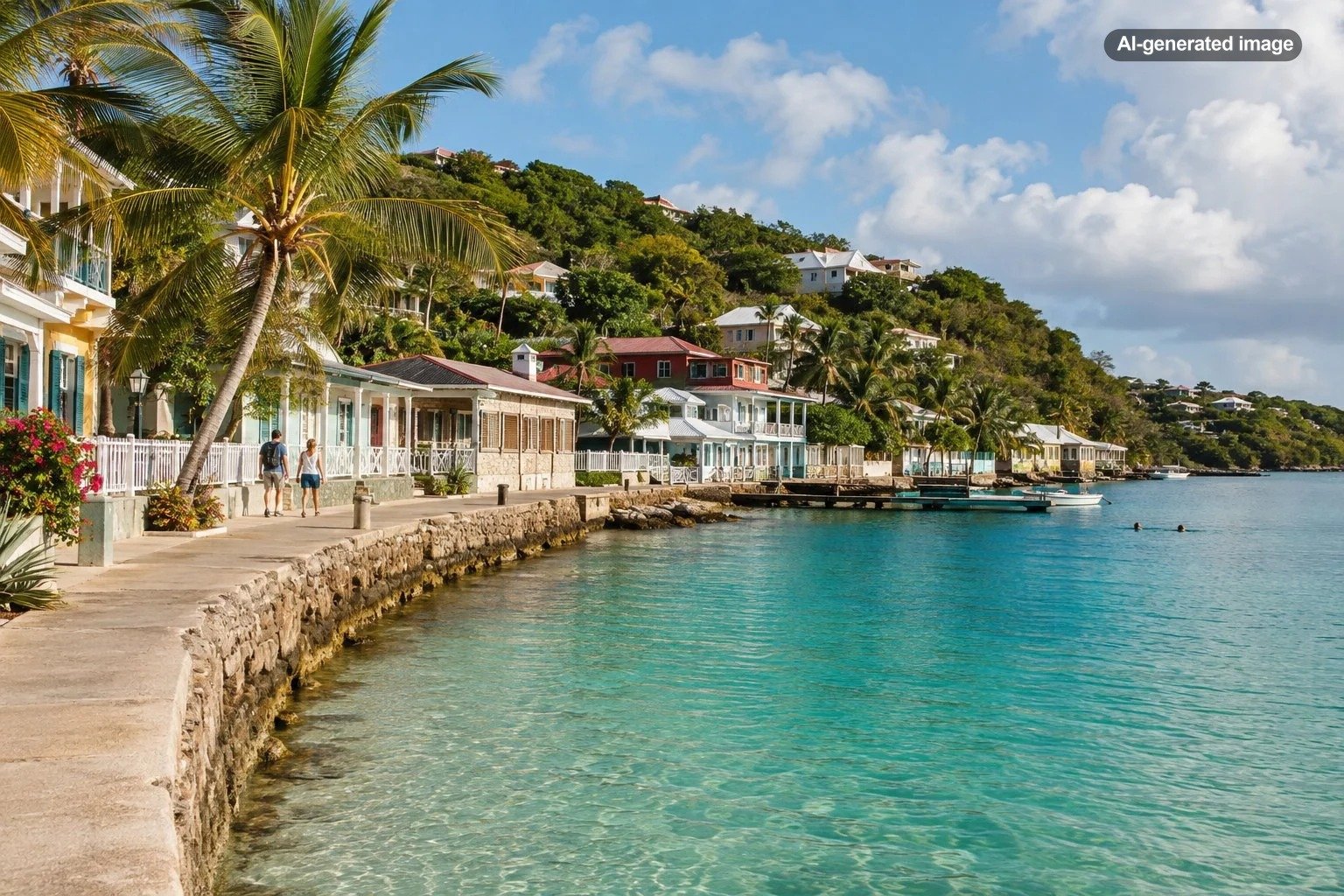
If your ideal Caribbean trip involves walking into clear water without immediately meeting heavy surf, choosing the right island is only half the decision. The specific coast and beach matter just as much. Trade winds, reef protection, exposure, tides, and temporary weather can turn two beaches on the same island into very different swimming experiences.
For travelers prioritizing relaxed swimming, Providenciales, Grand Cayman, Aruba, Curacao, Barbados, and Antigua are especially useful places to compare. Each offers beaches where calmer conditions are common, but their strengths differ: some favor very shallow wading, others combine easy swimming with long sandy shorelines, and some require more careful beach selection.
Quick answer: where to start
- Providenciales, Turks and Caicos: particularly strong for shallow, sheltered swimming at Taylor Bay and Sapodilla Bay, with Grace Bay offering a broader resort-beach experience.
- Grand Cayman: a strong choice for travelers who want calm water together with the convenience and long shoreline of Seven Mile Beach.
- Aruba: Palm Beach is well suited to easy swimming, while Baby Beach is notable for its shallow lagoon-like setting.
- Curacao: the sheltered southwestern coast gives swimmers several protected bays rather than one dominant beach.
- Barbados: concentrate on the west coast for generally calmer Caribbean-facing water rather than the more exposed Atlantic side.
- Antigua: useful for travelers who want many beach choices and the flexibility to seek out sheltered bays as conditions change.
Providenciales, Turks and Caicos: best for shallow, sheltered water
Providenciales stands out because travelers can choose among several beaches with distinctly different swimming environments. Grace Bay is the famous option, with clear water and generally calm conditions that support swimming and other water activities. For travelers who specifically want shallow water, however, Taylor Bay and Sapodilla Bay deserve equal attention.
Taylor Bay is a sheltered cove on the south coast where the water tends to be shallow and calm. Sapodilla Bay is similarly protected and is known for shallow water close to shore. These characteristics make both beaches appealing to families, cautious swimmers, and anyone who prefers lingering in waist-deep water rather than dealing with an immediate drop-off.
The tradeoff: travelers seeking a long beach with a larger concentration of accommodations, restaurants, and activities may prefer Grace Bay. Those placing the greatest emphasis on shallow water may be happier making dedicated trips to Taylor Bay or Sapodilla Bay.
Grand Cayman: best balance of easy swimming and beach convenience
Grand Cayman’s Seven Mile Beach is one of the clearest choices for travelers who want straightforward beach time without having to research a long list of secluded coves. The Cayman Islands Department of Tourism describes Seven Mile Beach as offering calm water along Grand Cayman’s western side, with restaurants, resorts, and water activities readily accessible along the broader beach area.
That combination matters. A beach can be excellent for swimming but inconvenient for a traveler who also wants food, accommodations, and other services nearby. Seven Mile Beach makes it comparatively easy to build a vacation around the shoreline rather than treating swimming as a day-trip activity.
The tradeoff: this is a developed and well-known tourism corridor, so travelers whose priority is a small, isolated cove may prefer another island or a quieter part of Grand Cayman.
Aruba: best for combining calm swimming with an active resort area
Aruba offers more than one useful option for relaxed swimmers. Palm Beach, home to many of the island’s high-rise hotels, is specifically described by Aruba’s official tourism site as having calm water suitable for swimmers and snorkelers. That makes it particularly convenient for travelers who want to move easily between the beach, dining, accommodations, and water activities.
Baby Beach presents a different experience. Its curved shoreline and shallow turquoise water make it appealing to families and less-confident swimmers who want to spend time in relatively shallow water. Aruba therefore works well for groups whose members have different comfort levels in the sea.
The tradeoff: calm-water seekers should not assume every Aruba beach behaves like Palm Beach or Baby Beach. Some parts of the island are more exposed to wind and rougher water, so beach selection still matters.
Curacao: best for travelers who like protected coves
Curacao is less about choosing one enormous swimming beach and more about exploring a collection of bays and coves. The Curacao Tourist Board notes that many beaches are concentrated along the sheltered southwestern coast, where calmer water is common. This geography gives travelers multiple options when easy swimming is the priority.
Playa Lagun is a small protected bay that the tourism board identifies as having calm water suitable for beginners, while Cas Abao is described as having calm water and a gentle slope. These smaller beach environments can feel more contained than long, open stretches of coastline.
The tradeoff: travelers may find a rental car or other transportation useful for exploring several beaches rather than remaining on one continuous resort strip. Curacao is therefore especially attractive to independent travelers who enjoy trying a different beach from day to day.
Barbados: best when you choose the west coast carefully
Barbados demonstrates why it is important to evaluate coasts rather than labeling an entire island as calm or rough. The official tourism board distinguishes the relatively calm west coast from the much more exposed eastern shoreline, where Atlantic conditions support stronger waves and surfing.
Travelers focused on easy swimming should therefore start their search along the west coast and parts of the south coast rather than selecting a beach solely because it looks attractive on a map. This coastal contrast also gives mixed-interest groups flexibility: some travelers can pursue calmer swimming while others explore more energetic water-sport environments elsewhere on the island.
The tradeoff: Barbados rewards informed beach selection. It is not the best choice for someone who wants to assume that any random coastline will provide protected water.
Antigua: best for having many beach choices
Antigua’s advantage is variety. Its coastline includes numerous bays and beaches, allowing travelers to choose among developed resort areas, quieter stretches, and more protected settings. The official tourism authority highlights beaches around the northwest coast, including Dickenson Bay and Runaway Bay, as established beach destinations, while Jolly Beach occupies a long stretch on the island’s west coast.
This abundance can be valuable when swimming conditions are the main concern because travelers are not committed to a single shoreline. If wind or waves make one beach less appealing on a particular day, another part of the island may offer a better fit.
The tradeoff: Antigua requires more day-by-day judgment than a destination where the main tourism zone is concentrated around one famously calm beach. Travelers should ask locally about current conditions before settling in for a swim.
How these islands compare for swimmers
| Island | Strongest swimming fit | Main consideration |
|---|---|---|
| Providenciales | Shallow, sheltered water | Choose Taylor or Sapodilla Bay for the shallowest experience |
| Grand Cayman | Easy swimming plus convenience | Seven Mile Beach is more developed |
| Aruba | Calm water near major tourism areas | Conditions vary substantially by coast |
| Curacao | Protected bays and coves | Exploring multiple beaches may require transportation |
| Barbados | Calmer west-coast swimming | The east coast is much more exposed |
| Antigua | Variety and flexible beach selection | Check daily conditions and choose the right bay |
What calm-water travelers often overlook
Calm does not mean risk-free. Even normally gentle beaches can develop waves, currents, reduced visibility, or other hazards because of weather and changing sea conditions. Observe posted warnings, speak with local beach or hotel staff when available, and avoid treating a destination’s usual conditions as a guarantee.
Water depth is another important distinction. A beach can have relatively little surf yet deepen quickly, while another may remain shallow for a considerable distance. Families with young children and tentative swimmers may care more about gradual depth than about wave size alone.
Finally, decide whether you want a swimming beach or a broader beach vacation. Providenciales and Grand Cayman make it relatively easy to combine swimming with major tourism areas. Curacao rewards travelers willing to move among smaller bays. Barbados and Antigua give you more coastline variety, but that also makes choosing the right beach more important.
FAQ
Which Caribbean island is best for very shallow water?
Providenciales is one of the strongest choices, particularly Taylor Bay and Sapodilla Bay. Both are sheltered beaches known for shallow, generally calm water.
Which island is easiest for swimmers who want restaurants and resorts nearby?
Grand Cayman and Aruba are particularly practical. Seven Mile Beach on Grand Cayman and Palm Beach in Aruba combine accessible swimming areas with established tourism infrastructure.
Is Barbados good for calm swimming?
Yes, but coast selection is important. Barbados’ west coast is generally the better starting point for travelers seeking calmer water, while the Atlantic-facing east coast is known for stronger wave action.
Does calm water stay calm every day?
No. Wind, storms, tides, currents, and other local conditions can change the water quickly. Always judge the beach you are actually visiting rather than relying solely on its usual reputation.