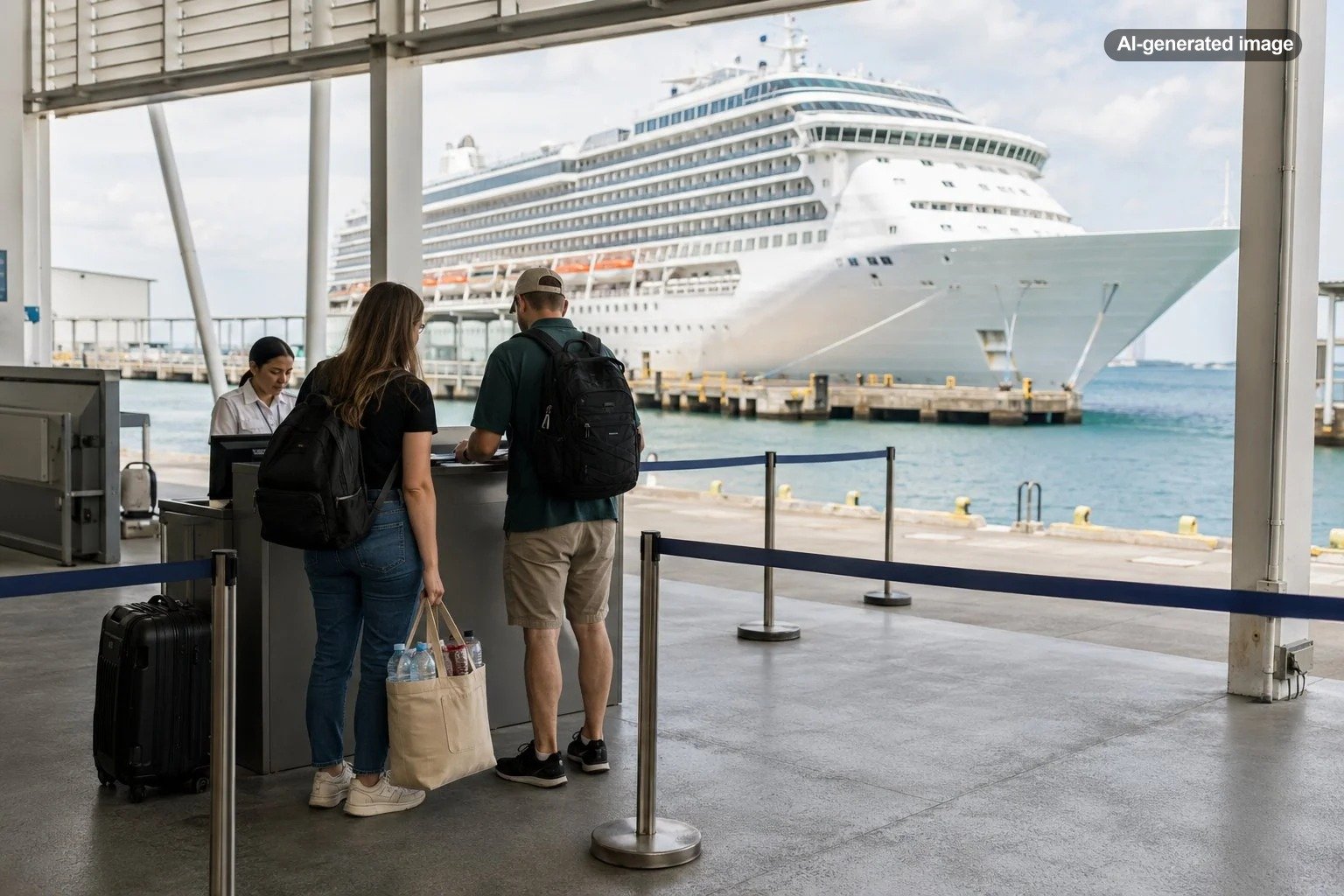
Can You Bring Bottled Water and Soda on a Cruise Ship?
Yes, some cruise lines allow passengers to bring limited quantities of bottled water, soda, or other non-alcoholic drinks aboard, but the rules vary considerably. One line may permit bottles, cans, and cartons, while another may allow only cans or cartons. Some prohibit nearly all outside beverages except water needed for medical devices or infant formula.
The safest approach is to check the current policy for your cruise line, ship, and departure before packing. Beverage rules can change, and terminal security may confiscate drinks that exceed the permitted quantity, use a prohibited container, or are packed in the wrong bag.
Quick Answer
- Do not assume every cruise line follows the same beverage policy.
- Many permitted drinks must be sealed, unopened, and carried through the terminal in hand luggage.
- Some lines allow cans or cartons but prohibit plastic and glass bottles.
- Quantity limits may apply per passenger or per stateroom.
- Medical and infant-care exceptions often require factory-sealed water and may need advance documentation.
Why Cruise Line Beverage Rules Differ
Cruise lines create their own policies for outside food and drinks. The limits are influenced by security screening, alcohol-control procedures, waste management, storage constraints, and the beverages already available aboard the ship.
This is why a traveler who carried a case of soda onto one cruise may be unable to do the same on another. Policies may also distinguish among bottled water, canned soda, boxed drinks, sparkling water, juice, milk, and beverages required for medical purposes.
Rules can even differ in how the allowance is calculated. A limit may apply to each guest, each adult, or the entire stateroom. Read the wording carefully, especially when several people are sharing one cabin.
Examples of Current Policies From Major Cruise Lines
Royal Caribbean
Royal Caribbean currently permits guests to carry on a limited quantity of non-alcoholic beverages on boarding day. Its published policy allows up to 12 standard cans, bottles, or cartons per stateroom, with each container no larger than 17 ounces. Milk and distilled water needed for infant, medical, or dietary purposes are also permitted under the stated policy.
The important distinction is that the allowance is calculated per stateroom rather than per passenger. Two guests sharing a cabin do not automatically receive two separate 12-container allowances.
Carnival Cruise Line
Carnival prohibits water, soda, and other non-alcoholic drinks packaged in plastic or glass bottles. It does, however, permit a small quantity of sealed non-alcoholic beverages in cans or cartons on embarkation day, subject to its current size and quantity limits.
This makes packaging especially important. A 12-pack of canned soda may be acceptable when the same drink in plastic bottles is not. Travelers should carry permitted beverages in hand luggage rather than placing them in checked bags.
Norwegian Cruise Line
Norwegian generally prohibits passengers from bringing beverages aboard in either carry-on or checked luggage. This includes water, soda, and juice. Its stated exceptions include factory-sealed purified or distilled water required for certain medical devices or for preparing infant formula.
Travelers sailing with Norwegian should not plan on bringing an ordinary case of bottled water or soda for personal consumption. Instead, consider the complimentary drink options and purchasable beverages available aboard.
Princess Cruises
Princess currently states that bottled water, bottled soda, and other bottled non-alcoholic beverages may not be brought aboard. A small quantity of sealed non-alcoholic drinks in cans or cartons may be carried aboard in hand luggage on embarkation day, subject to the line’s published limits.
As with Carnival, the container is as important as the beverage. Canned sparkling water may comply while the bottled version of the same product may not.
Should Drinks Go in Carry-On or Checked Luggage?
When outside beverages are permitted, they commonly need to be carried through the terminal in your hand luggage. Do not place them in the suitcase you hand to a porter unless your cruise line explicitly says checked packing is allowed.
Carry-on requirements make inspection easier and reduce the risk of leaks damaging other passengers’ luggage. They also allow security personnel to confirm that containers are sealed and contain permitted non-alcoholic drinks.
Keep the beverages in their original packaging when practical. Avoid transferring water, soda, or juice into reusable bottles before boarding because security may be unable to verify the contents.
What Happens If You Bring a Prohibited Beverage?
Terminal staff may inspect your bags and remove beverages that violate the policy. Depending on the cruise line and the item, the drinks may be discarded, confiscated, or held until the end of the voyage. You should not expect compensation for prohibited items.
Trying to disguise alcohol as bottled water or another non-alcoholic drink can create more serious problems than losing a few beverages. Cruise lines reserve broad authority to enforce their alcohol and security policies, so bring only permitted products in their original sealed containers.
Medical, Dietary, and Infant-Care Exceptions
Most cruise lines recognize that some passengers need water for medical equipment, medication preparation, specialized diets, or infant formula. These exceptions are narrower than a general beverage allowance and may specify distilled or purified water in factory-sealed containers.
Contact the cruise line’s accessibility or special-needs department before sailing when the water is medically necessary. Ask whether documentation, advance notification, special labeling, or a particular container size is required. Carry essential supplies with you rather than surrendering them with checked luggage.
Passengers with dietary concerns should also distinguish between preference and medical necessity. Wanting a particular brand of water is unlikely to qualify for the same exception as needing distilled water for a medical device.
Alternatives to Carrying Water and Soda Aboard
Ships generally provide drinkable water at dining venues and beverage stations, although access and serving formats vary. Bringing an empty reusable bottle can be useful when permitted, but fill it only after completing security screening and follow onboard hygiene instructions rather than placing the bottle directly against a communal dispenser.
Complimentary selections may include tap water, basic coffee, tea, or certain juices during specified meal periods. Soda, bottled water, specialty coffee, energy drinks, and premium juices may cost extra unless included in your fare or beverage package.
Before buying a drink package, compare what you realistically consume in a day with the package rules. Check whether every adult in the cabin must purchase the same package, whether daily limits apply, and whether gratuities are included. A package can be convenient, but it is not automatically the least expensive choice for an occasional soda drinker.
Affiliate disclosure: HotelInfo.com may earn a commission when you book or purchase through links on this page. This does not affect the price you pay. Learn more.
Travelers still comparing ships, itineraries, and departure dates can browse cruises with Expedia. Review the selected cruise line’s current beverage policy before completing your packing list.
A Practical Embarkation-Day Checklist
- Open the cruise line’s official beverage policy shortly before departure.
- Confirm whether the allowance is per person or per stateroom.
- Check the permitted container types, sizes, and quantities.
- Keep all allowed beverages sealed and unopened.
- Pack them in carry-on luggage when required.
- Bring documentation for medical or infant-care exceptions.
- Leave prohibited bottles and oversized containers at home.
Frequently Asked Questions
Can I bring a full case of bottled water on a cruise?
Sometimes, but many cruise lines prohibit bottled drinks or impose limits smaller than a standard case. Check the exact quantity, container size, and packaging rules for your sailing.
Can I bring soda cans in my checked suitcase?
Often not. Cruise lines that permit soda commonly require it to be carried through the terminal in hand luggage. Checked cans can leak, burst, or be removed during screening.
Can I bring an empty reusable water bottle?
Empty reusable bottles are generally more acceptable than filled bottles, but prohibited-items policies still apply. Fill the bottle after security and follow the ship’s instructions for using beverage stations.
Can I buy bottled water before the cruise?
Many cruise lines sell bottled-water packages for delivery aboard the ship. Availability, brands, container sizes, and ordering deadlines vary, so check the cruise planner associated with your reservation.
Do beverage rules apply at ports of call?
They may. A drink permitted at initial embarkation is not necessarily permitted when returning from a port. Security can inspect purchases each time you reboard, so verify the line’s rules for port days as well as departure day.
The Bottom Line
You may be able to bring bottled water or soda on a cruise, but there is no universal allowance. Royal Caribbean permits a limited quantity of non-alcoholic cans, bottles, or cartons per stateroom, while Carnival and Princess emphasize cans or cartons rather than bottles. Norwegian generally prohibits outside beverages except for limited medical and infant-care needs.
Check the official policy shortly before departure, pay close attention to packaging, and keep permitted drinks in your carry-on bag. A few minutes of verification can prevent delays and confiscation at the cruise terminal.