Best Time to Visit Morocco
The best time to visit Morocco is generally spring, from March through May, or fall, from September through November. These seasons usually offer the most comfortable balance for exploring imperial cities, crossing mountain landscapes, and including a desert stay without planning the entire trip around extreme heat or winter cold.
That answer changes, however, depending on where you are going. Morocco includes Atlantic and Mediterranean coasts, inland cities, the Atlas Mountains, and Saharan environments. A month that works well for Essaouira or Agadir may be uncomfortable in Marrakech or Merzouga, while winter can be appealing in the south but cold at higher elevations.
Morocco planning snapshot
- Best overall timing: March through May and September through November
- Best for Marrakech, Fez, and inland sightseeing: Spring and fall
- Best for the Sahara: Spring and fall, with careful planning around daytime heat and cold nights
- Best for Atlantic beach towns: Late spring through early fall, depending on whether swimming or mild coastal weather matters more
- Best for mountain hiking: Late spring and early fall for many lower and moderate elevation routes
Spring offers the strongest all-around conditions
Spring is one of the easiest seasons for a first trip to Morocco because it supports a varied itinerary. Travelers can spend several days in Marrakech or Fez, travel through the Atlas Mountains, and continue toward desert areas without encountering the most intense summer conditions.
March can still feel cool in the morning and evening, particularly in mountain areas and desert camps. April and May generally bring warmer days, greener landscapes in some regions, and longer daylight. By late May, however, inland destinations can already feel hot during the middle of the day.
Spring is particularly useful for travelers who want to move frequently rather than remain in one coastal destination. Comfortable sightseeing weather makes long walks through medinas, gardens, historic districts, and archaeological sites more manageable. The tradeoff is that pleasant conditions also make spring an attractive travel period, so popular accommodations and organized desert trips may require earlier planning.
Fall combines warm days with broader itinerary flexibility
September through November is another strong window, especially for travelers who want summer warmth without committing to peak midsummer heat. September can remain very warm inland, while October and early November often provide a more comfortable mix for city exploration and desert travel.
Fall works well for routes that combine Marrakech, the High Atlas, Ouarzazate, the Dades Valley, and desert gateways farther east or south. It can also suit travelers who want to divide their time between cultural sightseeing and the Atlantic coast.
The main planning distinction is between early and late fall. September may still require midday breaks in hotter inland locations. By November, evenings become cooler, daylight is shorter, and mountain weather can be less predictable. Travelers visiting multiple climate zones should pack layers rather than assume that one set of warm-weather clothing will work everywhere.
Summer is better for the coast than the interior
June through August can be a reasonable time to visit Morocco when the itinerary emphasizes Atlantic or Mediterranean destinations. Coastal breezes often make places such as Essaouira, Agadir, Taghazout, Tangier, and parts of the northern coast more appealing than inland cities during the hottest part of the year.
Summer is less forgiving for itineraries centered on Marrakech, Fez, desert regions, or long road transfers through exposed landscapes. Sightseeing may need to begin early, pause during the hottest hours, and resume in the evening. Riads and hotels with effective cooling, shaded courtyards, or pools can materially improve comfort, but travelers should verify property features rather than assume they are included.
Families following a school vacation schedule may still choose summer. In that case, a coast-focused trip or a slower itinerary is generally more practical than trying to cover several inland cities and the Sahara in rapid succession. Summer can also coincide with busy domestic travel periods, so transportation and coastal accommodations may be in demand.
Winter favors southern cities and quieter cultural trips
December through February can work well for travelers who prefer cooler sightseeing conditions and are comfortable with significant temperature changes between day and night. Marrakech and other southern or inland destinations may have pleasant daytime periods, but mornings, evenings, and unheated interiors can feel cold.
Winter is not simply a warm-season substitute. Snow and difficult conditions are possible in mountain regions, while desert nights can be sharply colder than daytime temperatures suggest. Anyone planning a mountain crossing, trek, or remote drive should confirm local conditions shortly before departure.
Winter can be rewarding for museum visits, food-focused travel, architectural exploration, and slower stays in cities. It may also appeal to travelers who would rather wear a jacket than manage intense afternoon heat. The tradeoff is reduced daylight and a greater need for layers, rain protection, and flexible plans.
Choose your timing by destination
| Destination or trip style | Strongest timing | Main tradeoff |
|---|---|---|
| Marrakech and Fez | Spring and fall | Pleasant periods can also be busier |
| Sahara and desert gateways | Spring and fall | Large day-to-night temperature changes |
| Essaouira, Agadir, and Taghazout | Late spring through early fall | Wind and ocean conditions vary |
| Atlas hiking | Late spring and early fall | Conditions change by elevation and route |
| Quiet city sightseeing | Winter | Cold nights and shorter days |
The best time for Marrakech
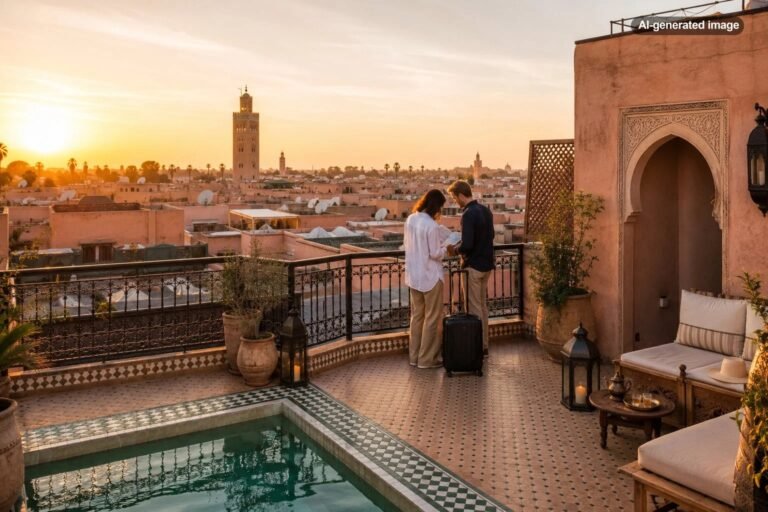
For most travelers, Marrakech is easiest to explore from March through May or from late September through November. These periods are better suited to walking through the medina, visiting gardens, browsing souks, and dining outdoors than the hottest summer weeks.
Winter can also be attractive, especially for travelers who prefer cool air and lighter crowds. The important consideration is lodging comfort. Traditional buildings can retain cold at night, so it is worth confirming heating arrangements when booking a winter stay.
The best time for the Sahara Desert
Spring and fall are the most practical seasons for desert-oriented travel, a pattern also highlighted by the Moroccan National Tourist Office. Even during these periods, visitors should expect strong sunlight, dry conditions, and cooler nights.
A desert trip usually involves more than time on the dunes. Reaching areas around Merzouga or Zagora may require long drives, mountain crossings, and stops in valleys or fortified settlements. The best month is therefore the one that supports the full route, not merely the overnight camp.
Travelers who are sensitive to heat should avoid building a desert-heavy itinerary around midsummer. Those considering winter should prepare for cold nights and verify that their lodging provides suitable bedding and weather protection.
The best time for Morocco’s beaches
Beach timing depends on the experience you want. Summer provides the warmest seasonal atmosphere and is suitable for travelers prioritizing resort stays, surfing communities, or extended time near the ocean. Late spring and early fall can be better for combining the coast with inland sightseeing.
Morocco’s Atlantic coast is not interchangeable with a sheltered tropical beach. Wind, fog, currents, and water temperature can shape the experience, particularly around surfing destinations. Travelers primarily interested in swimming should research the specific town and beach rather than relying on national weather descriptions.
How festivals and religious observances can affect a trip
Morocco’s calendar includes religious observances, cultural festivals, school holidays, and local events that can affect business hours, dining patterns, traffic, and accommodation demand. Ramadan moves through the calendar because it follows the Islamic lunar year. During the observance, some businesses may adjust their schedules, daily rhythms can become quieter before sunset, and evenings may become more active.
Travel during Ramadan can be meaningful and entirely manageable, but visitors should approach it with flexibility and respect. Confirm current dates and local operating details before departure rather than relying on information from a previous year.
What travelers often overlook
Morocco does not have one national travel season. Elevation, distance from the coast, and exposure to desert conditions matter as much as the month printed on the calendar.
Indoor comfort deserves attention. A mild daytime forecast does not guarantee a comfortable room at night. Heating, cooling, insulation, and ventilation vary among accommodations.
Long transfers amplify the weather. A hot afternoon can be more tiring during a full-day drive, while winter mountain conditions can disrupt an otherwise straightforward route. Build some margin into multi-region itineraries.
Holiday dates change. Check official travel information, transportation providers, and accommodations close to departure for current schedules and policies.
Frequently asked questions
What is the single best month to visit Morocco?
April and October are often strong choices for a varied itinerary because they sit within the broadly comfortable spring and fall travel windows. The better month depends on whether you prioritize beaches, hiking, desert travel, or city sightseeing.
When is Morocco hottest?
The hottest conditions generally occur during summer, with inland and desert-influenced areas feeling more intense than many coastal destinations. Exact conditions vary by region and year.
Is Morocco worth visiting in winter?
Yes. Winter can suit cultural sightseeing, southern cities, and travelers who prefer cooler days. Prepare for cold nights, possible mountain snow, shorter daylight, and variable heating indoors.
How many days should I spend in Morocco?
About seven to ten days allows a focused trip covering one or two regions. A trip combining northern cities, Marrakech, the Atlas Mountains, and the Sahara generally benefits from more time because overland transfers can be substantial.
Should I avoid Morocco during Ramadan?
Not necessarily. Travel remains possible, but restaurant hours, business schedules, and daily routines may change. Travelers who value maximum scheduling predictability may prefer another period, while flexible visitors may appreciate experiencing a distinctive cultural season.