How Many Days in Lima is Enough?
Three full days in Lima is enough for most first-time visitors. That gives you time to explore the historic center, spend meaningful time in Miraflores and Barranco, visit at least one major museum or archaeological site, and experience the city’s dining culture without treating every day like a race.
Two days can work when Lima is primarily an arrival or departure stop. Four days is better for travelers who care deeply about food, museums, architecture, or a slower pace. Five days or more makes sense when you want neighborhood depth, a nearby excursion, or recovery time before or after visiting higher-altitude destinations elsewhere in Peru.
Quick answer: the ideal Lima trip length
- One day: A brief overview for travelers with a long stopover or tightly scheduled Peru itinerary.
- Two days: Enough for the historic center plus Miraflores and Barranco, but with limited museum time.
- Three days: The strongest choice for most first-time visitors.
- Four days: Best for food-focused travelers, museum enthusiasts, and anyone who dislikes rushed sightseeing.
- Five days or more: Useful for deeper exploration, flexible dining plans, or a day trip beyond central Lima.
Lima planning snapshot
- Recommended stay: Three full days, not counting a late-night arrival.
- Best fit: Travelers interested in food, coastal neighborhoods, colonial history, museums, and urban culture.
- Common base: Miraflores for broad convenience or Barranco for a more intimate arts-and-dining atmosphere.
- Transportation: Expect to use a combination of walking and vehicle transfers because major districts are spread across a large metropolitan area.
- Pace: Plan one primary area or theme per half-day rather than crossing the city repeatedly.
Is one day in Lima enough?
One day is enough only for a carefully selected introduction. It is not enough to understand the city’s different layers. Lima’s appeal is divided among its historic core, Pacific-facing districts, archaeological sites, museums, markets, and dining neighborhoods, so a single day forces meaningful tradeoffs.
A practical one-day plan begins in the historic center, where the Plaza Mayor and surrounding streets provide context for Lima’s colonial development. The Historic Centre of Lima is recognized by UNESCO for its architectural and historical significance.
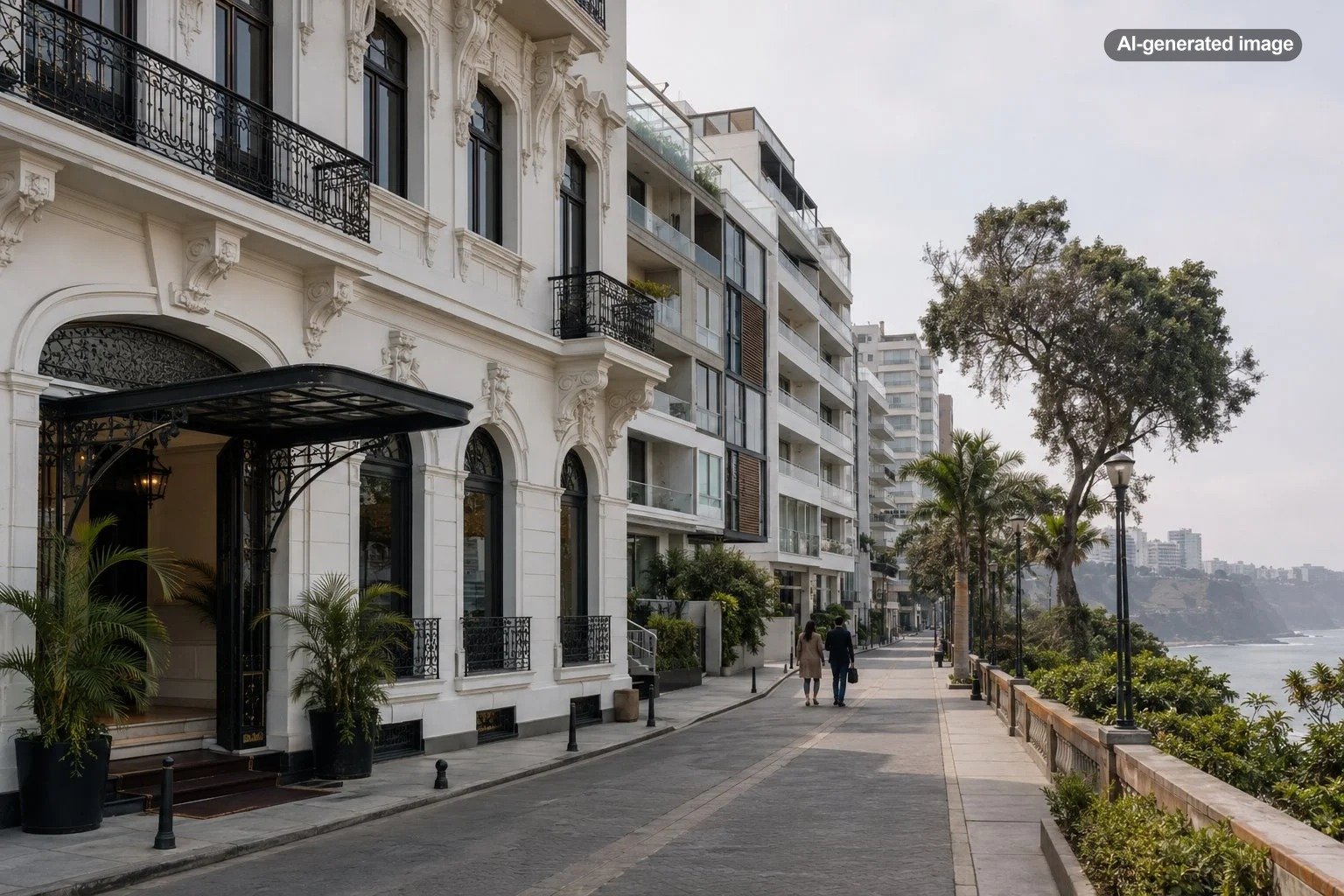
Afterward, move to Miraflores for a walk near the coastal cliffs, then continue to Barranco for dinner or an evening stroll.
This schedule works best when you have a private transfer, a reliable transportation plan, and no expectation of visiting several museums. Traffic can make an ambitious cross-city itinerary inefficient, so choose depth over a long checklist.
Are two days in Lima enough?
Two days is a reasonable minimum for travelers combining Lima with Cusco, the Sacred Valley, Arequipa, or another major destination. You can see the city’s principal contrasts, but you will need to be selective.
Day one: Historic Lima and a museum
Use the morning for the historic center. Focus on the Plaza Mayor area, major civic and religious architecture, and a manageable walking route rather than trying to cover every landmark. In the afternoon, choose one museum based on your interests. A focused museum visit is usually more rewarding than attempting several abbreviated stops.
Day two: Miraflores and Barranco
Begin in Miraflores with the coastal parks, neighborhood streets, and, when it suits your interests, Huaca Pucllana. Miraflores combines residential areas, shopping, visitor services, coastal scenery, and an important pre-Inca archaeological site.
Continue south to Barranco for galleries, historic houses, cafes, and an evening meal. Barranco is known for its artistic character and concentration of restaurants, cultural spaces, and older architecture.
The main compromise is dining flexibility. Lima rewards advance planning for highly sought-after restaurants, but a two-day schedule leaves little room to rearrange meals around sightseeing, transportation delays, or changing energy levels.
Why three days is ideal for most visitors
Three days creates a much better balance between seeing Lima’s major areas and actually enjoying them. You can organize the trip geographically, reduce unnecessary driving, and leave room for a long lunch, a museum visit, or an unplanned neighborhood walk.
Day one: Historic center and cultural context
Start with the historic center while your attention is fresh. Explore the Plaza Mayor area and nearby architecture, then visit a museum or cultural institution that adds historical context. Avoid pairing the center with a tightly timed activity on the opposite side of the city.
Day two: Miraflores, the coast, and archaeology
Dedicate the second day to Miraflores. Walk a portion of the coastal parks, explore the district’s commercial and residential center, and consider Huaca Pucllana if archaeology is a priority. This is also a logical day for a carefully planned lunch or dinner because many established dining options are concentrated in and around Miraflores.
Day three: Barranco at a slower pace
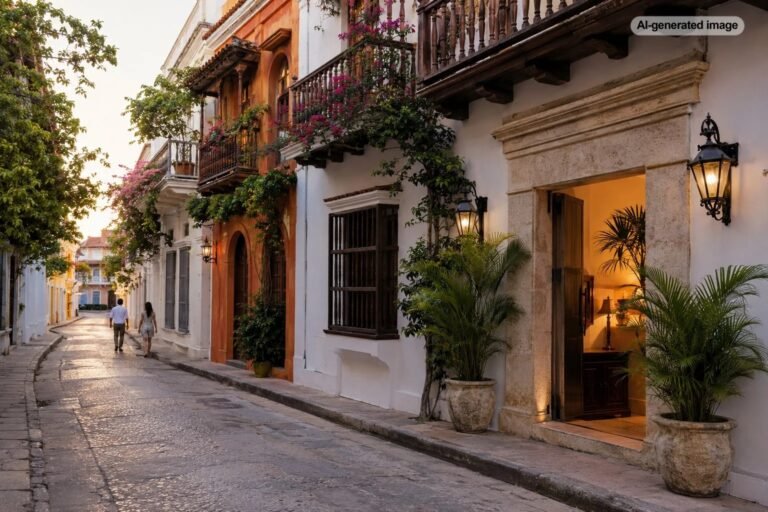
Give Barranco more than a quick evening visit. Its appeal comes from the relationship between older streets, restored houses, galleries, small shops, restaurants, and Pacific-facing viewpoints. Spending half a day or more here allows you to appreciate the district without reducing it to a few photographs near the Puente de los Suspiros.
You can use the remaining time for a second museum, a market-focused food experience, or a relaxed meal. This third day is what turns Lima from a transit stop into a destination.
Who should spend four days in Lima?
Four days is a strong choice for travelers who prefer spacious itineraries or have a specific interest in Peruvian food, pre-Columbian history, photography, art, or architecture. The additional day also helps when your arrival schedule is uncertain or when you want to avoid placing important activities immediately after a long flight.
A fourth day can be used in several ways:
- Visit another museum without shortening time in the historic center.
- Explore San Isidro, including its quieter streets and business-oriented urban character.
- Schedule a food tour or cooking experience without sacrificing a full neighborhood day.
- Return to Barranco in daylight after experiencing it primarily in the evening.
- Keep part of the day unscheduled for rest, shopping, or a long meal.
Four days is especially sensible for travelers who build their itinerary around restaurants. Dining plans may be located in different districts and can shape the day’s geography. A longer stay reduces the temptation to cross Lima multiple times simply to fit a reservation between unrelated attractions.
When five days or more makes sense
Five days can feel excessive for travelers who want only the major highlights, but it is useful for certain trip styles. Consider a longer stay when Lima is your primary destination, when you are working remotely for part of the trip, or when you want to combine city exploration with a nearby excursion.
Extra time can support visits to sites beyond the standard Miraflores-Barranco-historic center circuit. It can also provide flexibility when traveling with children, older relatives, or anyone who benefits from shorter sightseeing days.
A longer Lima stay may also be practical at the beginning of a broader Peru trip. It allows time to recover from travel before continuing to another region. However, Lima is near sea level, so time spent there should not be treated as altitude acclimatization for destinations in the Andes.
Choose your trip length by travel style
| Traveler type | Suggested stay | Reason |
|---|---|---|
| First-time visitor | 3 days | Covers the essential districts without excessive rushing. |
| Food-focused traveler | 4 days | Allows meals to shape the itinerary without displacing sightseeing. |
| Peru itinerary with limited time | 2 days | Provides a meaningful overview before continuing elsewhere. |
| Museum and history enthusiast | 4 days | Supports multiple cultural visits without reducing each to a quick stop. |
| Slow traveler or remote worker | 5 or more days | Creates time for neighborhood routines and flexible exploration. |
What travelers often overlook
Arrival day may not count as a sightseeing day
A late arrival, immigration procedures, baggage collection, and transportation to your hotel can consume much of the day. When planning three days in Lima, distinguish between three hotel nights and three usable sightseeing days.
Lima is not a compact walking destination
Individual neighborhoods can be enjoyable on foot, but the city’s major visitor areas are not all adjacent. Group activities by district and avoid building a schedule that repeatedly moves between the historic center, Miraflores, Barranco, and San Isidro.
The weather can look cooler than expected
Lima’s coastal conditions can produce cloud cover, humidity, and muted skies, particularly during the cooler part of the year. Pack for the actual temperature rather than assuming that a coastal South American capital will always feel hot and sunny.
Meals can require as much planning as attractions
For many travelers, food is a central reason to visit Lima. Decide which meals matter most before arranging the rest of each day. This prevents a reservation from creating an inefficient detour across the city.
Frequently asked questions
Is two nights in Lima enough?
Two nights can be enough when flight times give you nearly two full days. It is less satisfactory when one night follows a late arrival and the other precedes an early departure.
Should I visit Lima before or after Cusco?
Either order can work. Visiting Lima first provides a gentler start at sea level and time to recover from a long flight. Visiting afterward can provide a comfortable urban finish with museums, coastal walks, and planned meals.
Is Lima worth more than a stopover?
Yes, particularly for travelers interested in food, archaeology, museums, architecture, and contrasting neighborhoods. A three-day stay reveals much more than an airport connection or single overnight.
Where should first-time visitors stay?
Miraflores is a practical choice for many first-time visitors because it offers a broad range of visitor services, restaurants, coastal access, and transportation options. Barranco may suit travelers who prioritize design, nightlife, galleries, and a smaller neighborhood atmosphere. San Isidro can appeal to business travelers and visitors seeking a more restrained setting.
What is the final recommendation?
Plan three full days in Lima for a first visit. Reduce the stay to two days only when the wider Peru itinerary demands it. Extend it to four days when food, museums, or a relaxed pace are central to the trip.