What to Do If Your Hotel Room Is Too Hot and the Thermostat Is Locked
A hotel room that feels uncomfortably hot can be frustrating, especially when the thermostat refuses to go below a preset temperature. Before assuming the air conditioning is broken, check whether the thermostat is actually locked, whether the room is still cooling gradually, and whether simple heat sources such as direct sunlight are making the space warmer than the displayed temperature suggests.
If the room remains too warm after reasonable troubleshooting, contact the front desk rather than trying to bypass or dismantle the thermostat. Hotel temperature controls can be connected to centralized building systems, occupancy sensors, door or window sensors, or energy-management settings that guests cannot safely adjust themselves.
Quick answer: what to do first
- Confirm that the thermostat is set to cooling rather than heat, fan-only, or an automatic mode that is not actively cooling.
- Lower the setting as far as the guest controls allow and give the system time to respond.
- Close curtains or blinds if direct sunlight is heating the room.
- Make sure exterior doors and windows are fully closed, since some hotel systems reduce cooling when a sensor detects an opening.
- If the room is still too hot, call the front desk and describe both the room temperature problem and what the thermostat is doing.
First, determine whether the thermostat is locked or simply limited
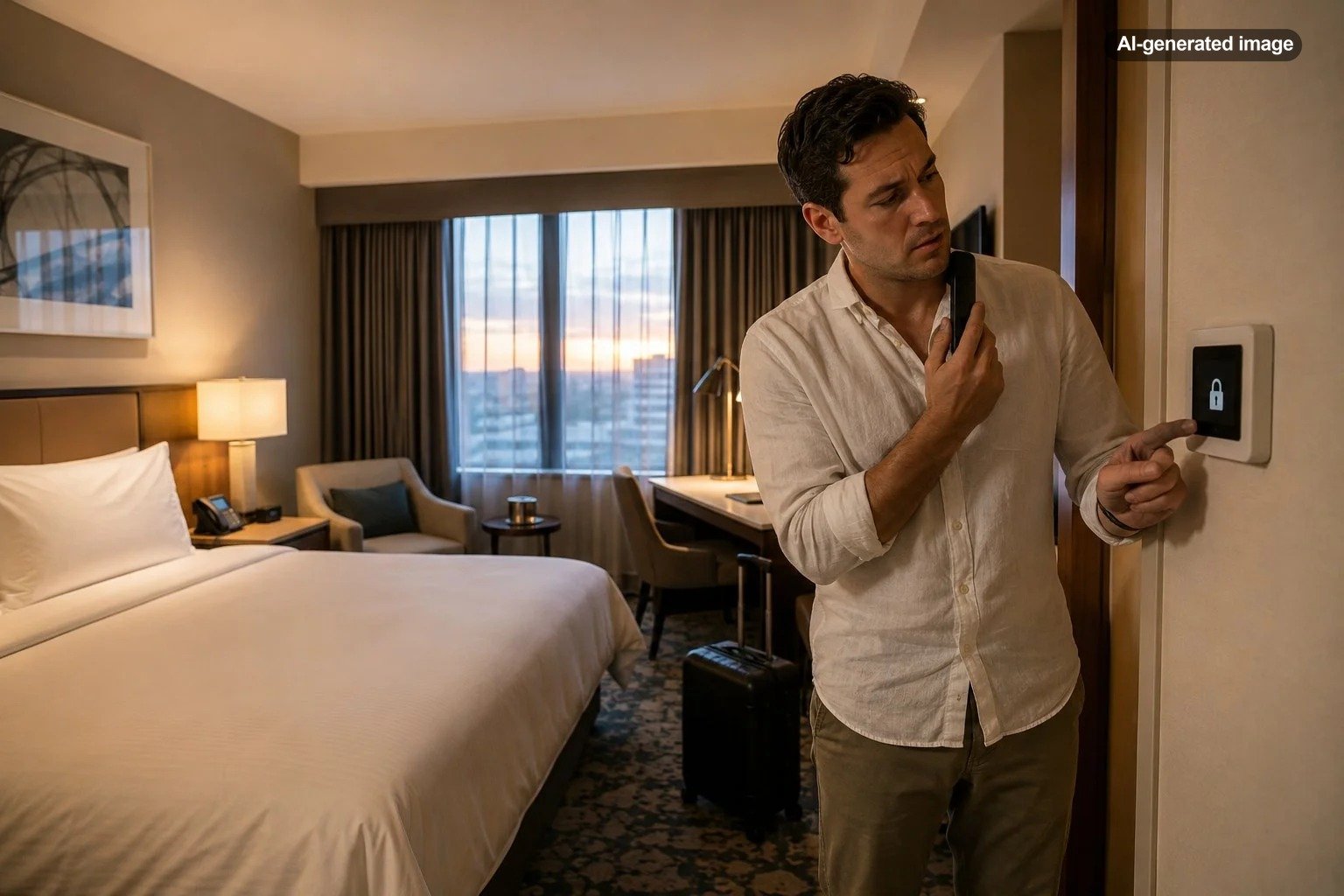
A thermostat can appear locked in several different ways. The temperature buttons may stop responding entirely, the display may show a lock symbol, or the controls may work but refuse to move below a particular setting. In other rooms, you may be able to select a cooler temperature even though the air conditioner does not seem to respond.
Those situations are not necessarily the same problem. A restricted temperature range may be an intentional building setting, while an unresponsive thermostat could indicate a control issue. A thermostat that accepts your setting but produces little or no cooling may point to the HVAC system itself, a sensor, or another room-control feature.
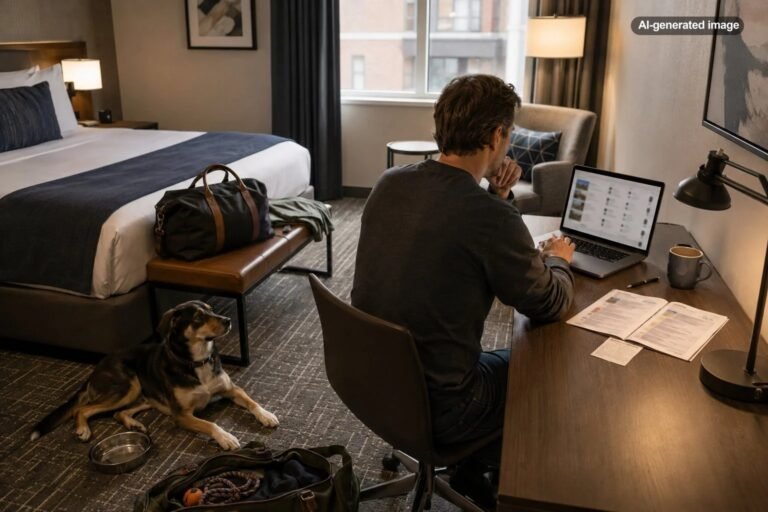
Take a moment to note exactly what happens when you change the controls. That description will be more useful to the hotel than simply saying that the room is hot.
Check the cooling mode and fan setting
Hotel thermostats vary widely, and unfamiliar controls can make a working system seem inactive. Look for a cooling mode, often indicated by wording such as “cool” or by a cooling symbol. If the thermostat is set to fan-only mode, the system may circulate room air without lowering its temperature.
Automatic modes can also be confusing because the fan may stop when the system determines that no additional cooling is required. If the thermostat allows separate temperature and fan settings, select a normal cooling mode and a comfortable fan setting rather than repeatedly changing every control.
After making an adjustment, allow some time for the system to react. Many HVAC systems do not produce an immediate dramatic temperature change, particularly if the room has accumulated heat throughout the day.
Reduce heat entering the room
A room facing strong afternoon sun can feel warmer than another room in the same hotel even when both thermostats display similar temperatures. Closing blackout curtains, shades, or blinds can make a meaningful difference by reducing additional solar heat entering through the glass.
Also check whether a balcony door or operable window is completely closed. Some properties use sensors that alter heating or cooling when an exterior opening is detected. Even without a sensor, leaving a door open can continually introduce warm outdoor air and make the system struggle to cool the room.
Turn off unnecessary lights and other heat-producing devices as well. These changes will not repair a malfunctioning air conditioner, but they can help distinguish a room that is experiencing temporary heat buildup from one with a genuine cooling problem.
Do not try to defeat the thermostat lock
Online instructions sometimes describe button combinations, hidden menus, wiring tricks, or other methods intended to override hotel thermostats. Avoid them. Thermostat models and building-control configurations differ, and a procedure that appears harmless on one system may alter settings the guest was not intended to change on another.
Removing a thermostat cover, disconnecting sensors, opening HVAC equipment, or changing installer settings can create additional problems and may make it harder for hotel staff to diagnose the original issue. The safer approach is to ask whether the temperature limit can be adjusted by staff or whether the room needs maintenance attention.
Call the front desk with specific information
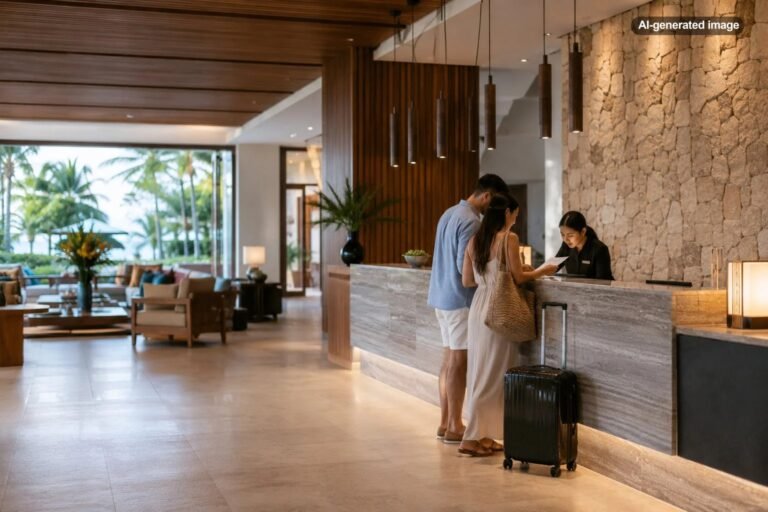
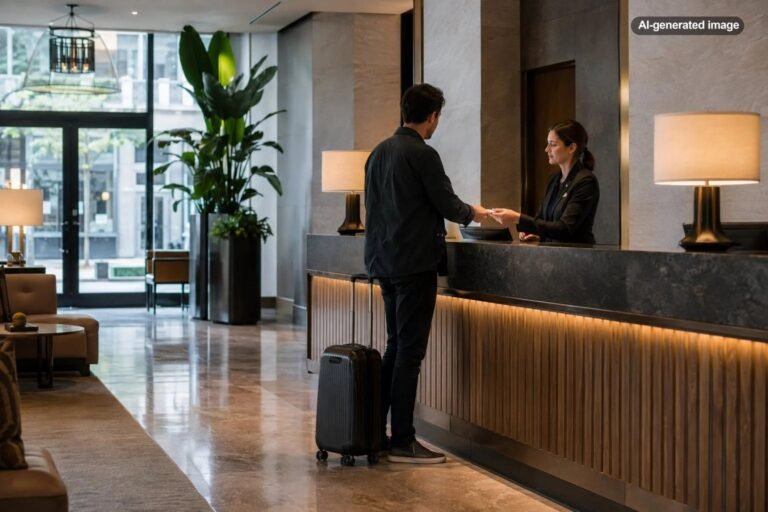
When contacting the hotel, explain the problem in concrete terms. For example, say that the room feels unusually warm, the thermostat will not allow a setting below a certain point, or the thermostat accepts a lower setting but the room is not cooling. Mention whether air is coming from the vent and whether that air feels cool, neutral, or warm.
This gives the hotel several ways to respond. Staff may be able to explain the controls, adjust an accessible system setting, send someone to inspect the room, or determine that another room is the more practical solution.
If you have already closed the curtains, checked the cooling mode, and waited for the system to respond, mention that too. It reduces unnecessary repetition and makes clear that the problem is more than unfamiliarity with the controls.
Ask whether another room is available if the problem persists
If the hotel cannot restore a comfortable temperature promptly, asking about a room change is reasonable. A different room can sometimes solve the issue faster than repeated attempts to diagnose an HVAC problem during your stay.
If a room move is offered, consider the inconvenience realistically. Someone who has just arrived and has not unpacked may prefer to move immediately. A family that has already settled into several beds, unpacked luggage, or put a child to sleep may prefer to ask whether maintenance can address the problem first.
There is no universal temperature at which a guest should insist on moving. Comfort varies, and so do circumstances. The practical question is whether the room can become reasonably comfortable within a timeframe that works for your stay.
Portable fans can help, but they do not fix failed cooling
If the hotel can provide a fan, increased air movement may make a warm room feel more tolerable. A fan can be particularly useful while the air conditioner is gradually lowering the temperature.
However, moving air is not the same as cooling the room. If the HVAC system is malfunctioning or the room remains excessively warm, a fan should be viewed as a temporary comfort measure rather than a substitute for addressing the underlying problem.
What travelers often overlook about hotel temperature controls
One overlooked factor is that the temperature shown on a thermostat may not perfectly describe how the entire room feels. The thermostat measures conditions near its sensor, while a bed next to a sunny window or an area with weak airflow may feel noticeably warmer.
Another distinction is between a temperature restriction and an equipment failure. If the room reaches the lowest temperature the guest controls permit but still feels warmer than you prefer, the issue may be a hotel-imposed control range. If the system cannot approach its selected temperature at all, staff may need to investigate whether the room has an operational problem.
Finally, consider the time of day. A room that absorbed direct sunlight for hours may cool gradually after sunset, while a room that becomes progressively hotter overnight despite active cooling deserves more attention.
When the problem should be reported immediately
Contact hotel staff promptly if the room continues getting hotter, if the system is blowing distinctly hot air while set to cooling, if the controls are completely unresponsive, or if there are unusual odors, leaking water, or other signs that the equipment may not be operating normally.
Do not open HVAC panels or attempt electrical repairs yourself. In addition to the risk of damaging equipment, hotel systems can differ substantially from residential units. Let hotel staff or qualified maintenance personnel handle equipment-level troubleshooting.
FAQ
Why will my hotel thermostat not go below a certain temperature?
The thermostat may have a restricted guest-adjustable range, or it may be connected to a building-management system. It could also be a control problem. Ask the front desk whether the limit is intentional before assuming the thermostat is defective.
Can the front desk unlock a hotel thermostat?
That depends on the property and the system installed. Staff may be able to adjust certain settings, explain how the controls work, or arrange maintenance. Hotel procedures and equipment vary, so the front desk is the appropriate place to ask.
Should I request a different room if the air conditioning is not cooling?
If reasonable troubleshooting and hotel assistance do not produce a comfortable room, asking whether another room is available is a practical next step. Whether moving is preferable to waiting for maintenance depends on your schedule and how disruptive a room change would be.
Will opening a hotel window cool the room?
Not necessarily. If the outdoor air is warmer or more humid, opening a window can make conditions worse. Some hotel HVAC systems may also reduce cooling when a door or window sensor detects an opening. If the room has an operable window, consider the outdoor conditions and the hotel’s instructions before using it for cooling.
What is the fastest safe way to cool a hot hotel room?
Set the thermostat to its permitted cooling setting, close curtains against direct sunlight, keep exterior doors and windows closed, and use a fan if one is available. If the system still does not cool the room adequately, contact the hotel rather than attempting to override or modify the thermostat.